
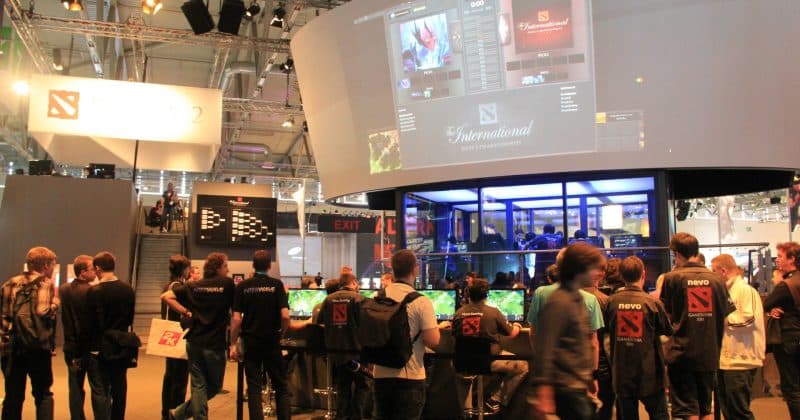
TI 2026 Europe Qualifier features 16 teams competing for four slots at The International 2026

TI 2026 Europe Qualifier features 16 teams competing for four slots at The International 2026

Dota 2's biggest annual tournament qualifier kicks off June 21, and the crypto betting market is paying close attention

Sixteen teams will battle across a week-long online gauntlet starting June 21 for just four spots at The International 2026, Dota 2’s flagship championship event. The stakes are simple: win enough series in a double-elimination bracket, and you earn a trip to Shanghai in August. Lose twice, and your season is over.

The Europe Qualifier, organized by PGL and running through June 28, features some of the most recognizable names in competitive Dota 2. Team Spirit, TEAM VISION (also known as PARIVISION), Nigma Galaxy, and NAVI headline the field as heavy favorites, joined by four additional invited squads and eight teams that clawed their way through Open Qualifiers to fill out the bracket.

A restructured path to TI changes the calculus

This year’s qualifier merges what were previously separate Eastern and Western European regions into a single event. That consolidation means the competition density is significantly higher than in prior years.

Advertisement

Four slots to the main event are on the line. The International 2026 carries a base prize pool of $1.6 million. The main event itself is scheduled for August 12 in Shanghai, China.

Where crypto enters the picture

The International doesn’t run on blockchain rails. There are no tournament-specific tokens, no NFT ticket stubs, no on-chain prize pool distributions. But major Dota 2 events like TI qualifiers have become significant liquidity events for a different corner of crypto: betting platforms and skin trading markets.

Crypto-native sportsbooks like Stake and BC.GAME operate active Dota 2 betting markets that accept Bitcoin and other digital assets. These platforms have carved out a niche by offering pseudonymous accounts, near-instant deposits and withdrawals, and coverage of niche esports matches that mainstream platforms ignore.

NAVI has a partnership with white.market, a skin trading platform that supports cryptocurrency withdrawals. In-game cosmetic items in Dota 2 have long functioned as a quasi-economy, with rare skins commanding prices that rival physical collectibles. The ability to cash out skin trades into crypto rather than fiat adds a layer of financial flexibility that appeals to a specific subset of gamers and traders.

The risk, as always with esports betting markets, is regulatory. Jurisdictions around the world are tightening rules on both crypto gambling and esports wagering simultaneously. Platforms that currently operate in gray areas may face compliance pressures that could reduce trading volumes regardless of how exciting the tournament action gets.

Disclosure: This article was edited by Editorial Team. For more information on how we create and review content, see our Editorial Policy.

TI 2026 Europe Qualifier features 16 teams competing for four slots at The International 2026

TI 2026 Europe Qualifier features 16 teams competing for four slots at The International 2026

Dota 2's biggest annual tournament qualifier kicks off June 21, and the crypto betting market is paying close attention

Sixteen teams will battle across a week-long online gauntlet starting June 21 for just four spots at The International 2026, Dota 2’s flagship championship event. The stakes are simple: win enough series in a double-elimination bracket, and you earn a trip to Shanghai in August. Lose twice, and your season is over.

The Europe Qualifier, organized by PGL and running through June 28, features some of the most recognizable names in competitive Dota 2. Team Spirit, TEAM VISION (also known as PARIVISION), Nigma Galaxy, and NAVI headline the field as heavy favorites, joined by four additional invited squads and eight teams that clawed their way through Open Qualifiers to fill out the bracket.

A restructured path to TI changes the calculus

This year’s qualifier merges what were previously separate Eastern and Western European regions into a single event. That consolidation means the competition density is significantly higher than in prior years.

Advertisement

Four slots to the main event are on the line. The International 2026 carries a base prize pool of $1.6 million. The main event itself is scheduled for August 12 in Shanghai, China.

Where crypto enters the picture

The International doesn’t run on blockchain rails. There are no tournament-specific tokens, no NFT ticket stubs, no on-chain prize pool distributions. But major Dota 2 events like TI qualifiers have become significant liquidity events for a different corner of crypto: betting platforms and skin trading markets.

Crypto-native sportsbooks like Stake and BC.GAME operate active Dota 2 betting markets that accept Bitcoin and other digital assets. These platforms have carved out a niche by offering pseudonymous accounts, near-instant deposits and withdrawals, and coverage of niche esports matches that mainstream platforms ignore.

NAVI has a partnership with white.market, a skin trading platform that supports cryptocurrency withdrawals. In-game cosmetic items in Dota 2 have long functioned as a quasi-economy, with rare skins commanding prices that rival physical collectibles. The ability to cash out skin trades into crypto rather than fiat adds a layer of financial flexibility that appeals to a specific subset of gamers and traders.

The risk, as always with esports betting markets, is regulatory. Jurisdictions around the world are tightening rules on both crypto gambling and esports wagering simultaneously. Platforms that currently operate in gray areas may face compliance pressures that could reduce trading volumes regardless of how exciting the tournament action gets.

Disclosure: This article was edited by Editorial Team. For more information on how we create and review content, see our Editorial Policy.