
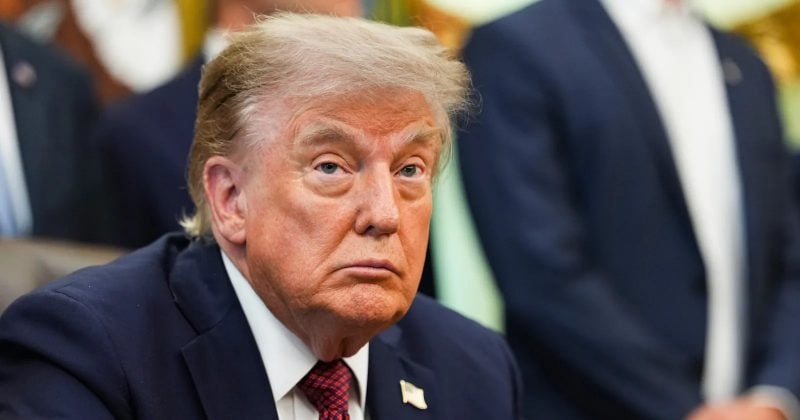
Trump addresses Iran conflict, rising US gas prices at Camp David meeting

https://www.newsweek.com/topic/donald-trump

Trump addresses Iran conflict, rising US gas prices at Camp David meeting

US-Iran peace talks location

Donald Trump convened a cabinet meeting at Camp David to address the ongoing conflict with Iran and rising gasoline prices in the United States. The discussions are seen as part of a broader strategy to manage simultaneous military and economic pressures. Reports indicate that the national average for gasoline has reached approximately $4 per gallon, prompting concerns over domestic economic impact. The choice of Camp David as the venue underscores the gravity of the issues at hand, suggesting a rare and focused approach to the intertwined diplomatic and economic challenges.

Advertisement

Key Takeaways

  • The cabinet meeting at Camp David appears to indicate heightened tensions between the U.S. and Iran, consistent with scenarios where diplomatic talks in the UAE are less likely.
  • The focus on both military conflict with Iran and domestic gasoline prices suggests a dual-front challenge for the Trump administration, affecting both foreign and domestic policy.
  • Market pricing for a US-Iran diplomatic meeting in the UAE by September 30, 2026, reflects decreased confidence, with odds currently at low levels.

What to Watch

Observers should monitor any official statements from the Trump administration or Iranian officials that could impact the likelihood of diplomatic engagements. Announcements regarding potential venues or mediators, such as Qatar or Switzerland, could shift market expectations. Additionally, any developments in the domestic economic situation, particularly related to gasoline prices, may influence the administration’s foreign policy strategies and the potential for diplomatic resolutions.

Get live prediction-market analysis, powered by Vera. Sign up for Vera.

Disclosure: This article was edited by Estefano Gomez. For more information on how we create and review content, see our Editorial Policy.

Trump addresses Iran conflict, rising US gas prices at Camp David meeting

Trump addresses Iran conflict, rising US gas prices at Camp David meeting

US-Iran peace talks location

https://www.newsweek.com/topic/donald-trump

Donald Trump convened a cabinet meeting at Camp David to address the ongoing conflict with Iran and rising gasoline prices in the United States. The discussions are seen as part of a broader strategy to manage simultaneous military and economic pressures. Reports indicate that the national average for gasoline has reached approximately $4 per gallon, prompting concerns over domestic economic impact. The choice of Camp David as the venue underscores the gravity of the issues at hand, suggesting a rare and focused approach to the intertwined diplomatic and economic challenges.

Advertisement

Key Takeaways

  • The cabinet meeting at Camp David appears to indicate heightened tensions between the U.S. and Iran, consistent with scenarios where diplomatic talks in the UAE are less likely.
  • The focus on both military conflict with Iran and domestic gasoline prices suggests a dual-front challenge for the Trump administration, affecting both foreign and domestic policy.
  • Market pricing for a US-Iran diplomatic meeting in the UAE by September 30, 2026, reflects decreased confidence, with odds currently at low levels.

What to Watch

Observers should monitor any official statements from the Trump administration or Iranian officials that could impact the likelihood of diplomatic engagements. Announcements regarding potential venues or mediators, such as Qatar or Switzerland, could shift market expectations. Additionally, any developments in the domestic economic situation, particularly related to gasoline prices, may influence the administration’s foreign policy strategies and the potential for diplomatic resolutions.

Get live prediction-market analysis, powered by Vera. Sign up for Vera.

Disclosure: This article was edited by Estefano Gomez. For more information on how we create and review content, see our Editorial Policy.