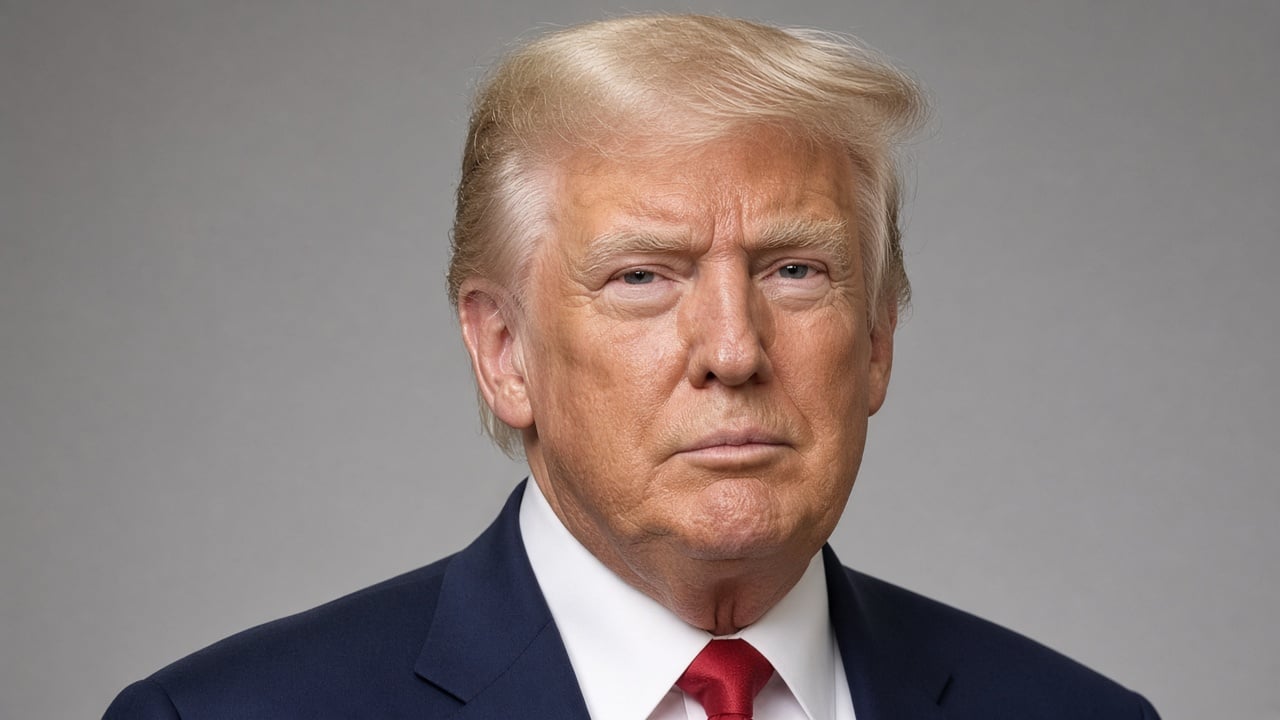
Trump claims DOJ warned an AI executive about potential jail time
The president says an unnamed AI leader changed course after a Justice Department warning, but offered no names or specifics
Donald Trump says the Department of Justice warned an unnamed artificial intelligence executive about possible jail time. According to Trump, the executive then changed everything.
No name was given. No company was identified. No description of what “everything” covered was offered either.
What Trump actually said
The core claim is simple. Trump said the DOJ delivered a warning to an AI executive, and that the warning involved the prospect of jail.
He then said the executive responded by overhauling their approach. Trump did not say which practices were changed, when the warning was delivered, or what legal theory might have supported prosecution.
The claim surfaced around November 9, 2026, according to the research findings, and picked up only limited attention in mainstream reporting at first. Neither the executive’s identity nor the specific changes have been confirmed.
A hands-off policy with a sharper edge
The remark is notable because of the broader policy backdrop. The administration has promoted what it frames as a pro-innovation approach to AI, built around self-regulation and limited government intervention.
Under that framework, enforcement is supposed to be reserved for clear legal violations. Companies are largely trusted to police themselves, with voluntary commitments doing much of the heavy lifting.
The crypto and markets news you actually need—every morning.
Daily. Free. Join 34,000+ readers across crypto, finance, and policy.
That approach got a formal stage on September 29, 2026. Top AI executives, including leaders from Anthropic and OpenAI, signed a voluntary self-policing commitment at the White House that emphasizes internal controls and oversight.
The administration has also directed federal agencies to refer to AI as “super intelligence.” That branding carried over into enforcement when the DOJ announced the Super Intelligence Task Force, known as DOJ-SITF, on November 5, 2026.
The enforcement record so far
The task force did not wait long to show it had teeth. On November 6, 2026, three foreign nationals were charged in a scheme that allegedly used AI to impersonate CEOs and defraud clients.
The alleged losses tied to that scheme amount to $129 million. The case fits within the administration’s stated focus on clear-cut crimes, like fraud, rather than broad rules governing how AI models are built.
What this means for the AI industry
For AI companies, the comment reframes the voluntary commitments signed in September. On paper, those pledges are self-policing tools. In the shadow of a jail warning, they start to look a lot less optional.
The research findings suggest the pro-innovation stance may signal a more accommodating environment for AI development, potentially encouraging investment in the sector. Reduced risk of broad regulatory crackdowns could support market confidence, particularly for startups that can show responsible practices aligned with the administration’s goals.
But the same findings flag the DOJ warning as a cautionary signal worth monitoring. A light-touch regulatory regime is only predictable if the boundaries of enforcement are clear. Informal warnings delivered to unnamed individuals do not make those boundaries clearer.
There are a few things to watch. First, whether the executive or company is identified, either by the administration or through reporting. Second, whether DOJ-SITF brings additional cases, and whether any target domestic AI firms rather than alleged fraud rings.
Third, whether the companies that signed the September 29 commitment adjust their public policies in ways that hint at outside pressure.
Disclosure: This article was edited by John Chen. For more information on how we create and review content, see our Editorial Policy.

