
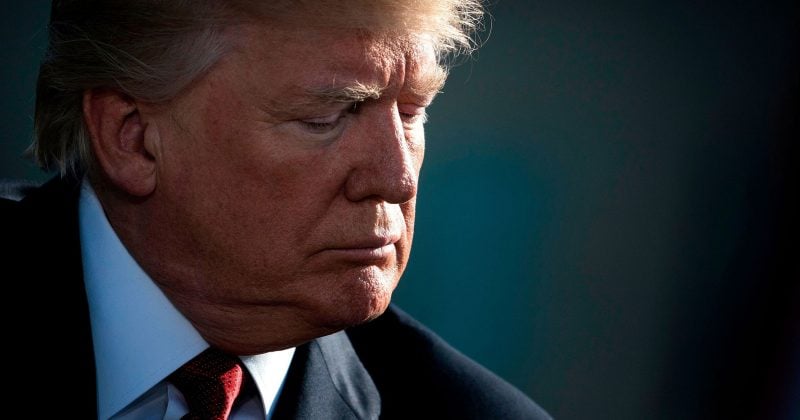
Trump approves Saudi nuclear deal, dropping Israel normalization requirement
A 30-year agreement opens the door for US-built uranium enrichment on Saudi soil, raising proliferation concerns and reshaping Middle East geopolitics.
President Trump has approved a landmark 30-year nuclear cooperation agreement with Saudi Arabia, granting the kingdom access to US nuclear technology without requiring it to first normalize relations with Israel. The deal, signed on July 22-23, represents a sharp departure from the Biden administration’s approach, which had explicitly tied nuclear access to Saudi-Israeli diplomatic progress.
What the deal actually includes
The agreement, known formally as a “123 agreement” under US atomic energy law, allows for the potential construction of a US-built uranium enrichment facility in Saudi Arabia. The enrichment facility is contingent on a two-year joint study between the US and Saudi Arabia. If the US raises objections at any point during or after that study, Saudi Arabia would be prohibited from pursuing enrichment activities, either independently or with any other nation, for a full decade.
The reactor technology itself will come from Westinghouse, which will supply its AP1000 reactors to build out Saudi nuclear infrastructure. This part of the deal serves a dual strategic purpose: it gives a major US company a multi-billion-dollar contract while simultaneously blocking Russia and China from filling the void. Both countries have been aggressively courting Saudi Arabia’s nuclear business.
The pact must now go through congressional review. Blocking it would require a veto-proof joint resolution from both chambers.
The Israel question and regional dynamics
The Biden administration had drawn a clear line: Saudi Arabia would need to normalize relations with Israel before any nuclear cooperation deal could move forward. Trump has effectively erased that line. The new agreement contains no requirement for Saudi-Israeli normalization.
The news moving money, markets, and the world—before your day starts.
Daily. Free. Join 34,000+ readers across crypto, finance, and policy.
Saudi Crown Prince Mohammed bin Salman stated in 2018 that the kingdom would seek nuclear weapons if Iran develops them. By providing enrichment capability without the diplomatic guardrails the Biden team envisioned, the deal separates Saudi Arabia’s nuclear pathway from the Israel normalization question, one where the Saudis now have less incentive to compromise.
Israeli officials and some US lawmakers have already raised proliferation concerns. The fear isn’t necessarily that Saudi Arabia will build a bomb next year. It’s that once enrichment infrastructure exists, the technical barrier to weaponization drops significantly.
Why financial markets should pay attention
Saudi Arabia’s push into nuclear power is part of its broader Vision 2030 diversification strategy, an effort to reduce dependence on oil revenues. A kingdom that generates more of its domestic electricity from nuclear sources could redirect more of its oil production toward export markets, influencing global energy prices.
This deal also reshapes the geopolitical landscape that underpins the dollar’s reserve currency status. The petrodollar arrangement, where Saudi oil is priced in US dollars, has been a pillar of dollar dominance for decades. Strengthening the US-Saudi relationship through nuclear cooperation could reinforce that arrangement at a time when countries like China and Russia have been actively promoting alternatives.