Trump says he would accept Jensen Huang’s return as Nvidia CEO
The president's comments add political weight to a reinstatement campaign as Nvidia's board runs an independent investigation
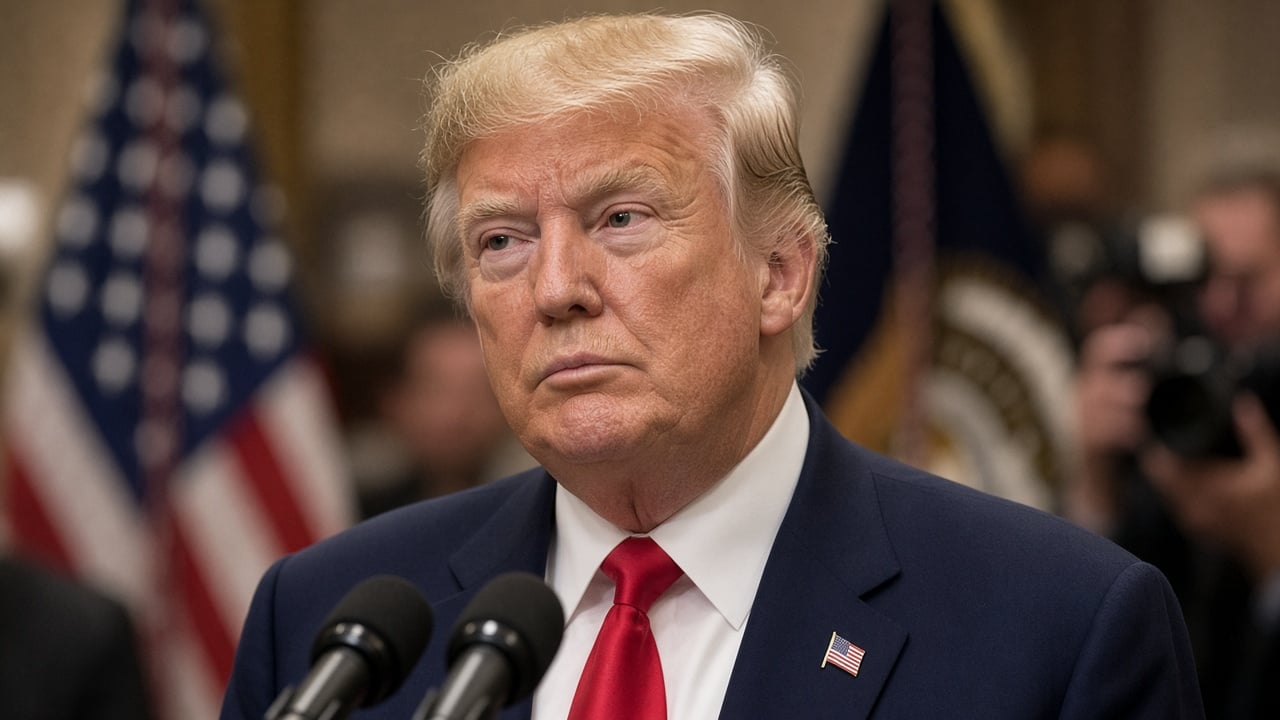
President Donald Trump said he would accept Jensen Huang’s reinstatement as Nvidia’s chief executive. The comment puts the White House squarely inside one of the biggest leadership crises in corporate America.
Huang stepped down on November 12, 2026, ending 33 years at the top of the chipmaker he co-founded.
What happened at Nvidia
Huang’s exit was abrupt. Nvidia’s board responded by opening an independent investigation into the circumstances, a standard move when a company needs to separate facts from facts before deciding anything permanent.
In the meantime, the board named Colette Kress, the company’s chief financial officer, as interim CEO.
The scrutiny has not stayed inside Nvidia’s boardroom. Questions about the episode have spread to corporate governance and to US-China relations.
Investors did not wait for the investigation to wrap up. Nvidia shares fell sharply after the resignation was announced.
That valuation is the backdrop to everything. Nvidia’s market value exceeded $4 trillion in 2026, built largely on its central role in supplying the hardware behind the artificial intelligence boom.
Trump and the reinstatement push
Trump’s position is notable partly because of timing. He spoke with Huang the day before the resignation, putting the president in direct contact with the executive right before the news broke.
AI, tech, and the markets they move—in one daily briefing.
Daily. Free. Join 34,000+ readers across crypto, finance, and policy.
The two have a well-documented rapport. Trump has publicly praised the Nvidia founder in unusually warm terms.
“great geniuses of our time”
That is how Trump has described Huang.
Trump is not the only public voice backing a return. A petition titled “Stand with Jensen” has collected more than 170,000 signatures, calling for Huang to be reinstated while the investigation runs its course.
The signatories include Elon Musk and other figures from the technology industry.
Still, saying he “would accept” a reinstatement is not the same as ordering one. The decision sits with Nvidia’s board, which has its own legal duties and an investigation still in progress.
What this means for Nvidia and its stakeholders
For shareholders, the immediate issue is uncertainty. The sharp drop in Nvidia’s stock after the resignation shows how much of the company’s perceived value has been tied to confidence in Huang’s strategic direction.
That tension is at the heart of the governance problem. If the board reinstates Huang quickly, critics may argue the investigation was a formality. If it waits or moves on, it risks alienating a vocal base of supporters and a president who has made his view known.
The political dimension adds another layer. Nvidia sits at the center of US technology policy, and the scrutiny touching US-China relations means Washington has a direct interest in how this resolves.
Key figures including Treasury Secretary Scott Bessent advocate for an external successor, highlighting a significant division within both the board and the broader investment community.
For now, Nvidia remains in an awkward holding pattern. The company is worth more than $4 trillion, its founder is out, and the man in the Oval Office has signaled he would be fine with him coming back.
Disclosure: This article was edited by Diego Almada Lopez. For more information on how we create and review content, see our Editorial Policy.

