
Uber and Pony.ai plan robotaxi tests in London within weeks
Pony.ai's Gen-7 vehicles are headed for the capital's streets as Uber widens its bet on autonomous partners
London’s black cabs have survived Uber, congestion charges and decades of tourists asking for directions. Now they may have to share the road with cars that have no one driving.
Uber and Pony.ai announced on October 8, 2026, that they plan to begin road testing Pony.ai’s Gen-7 robotaxis in London in the coming weeks. The goal is to eventually fold those vehicles into Uber’s existing ride-hailing network in the city.
London does not hand out easy wins. Narrow streets, heavy foot traffic and road layouts older than the internal combustion engine make it one of the harder places to teach a car to drive itself.
What Uber and Pony.ai are planning
The London tests build on an existing partnership between the two companies. Earlier in 2026, they launched what they describe as Europe’s first commercial robotaxi service with safety drivers, in Zagreb, Croatia.
The broader ambition is considerably bigger than one city. The partners aim to deploy more than 2,000 robotaxis across five European cities as part of their expansion strategy.
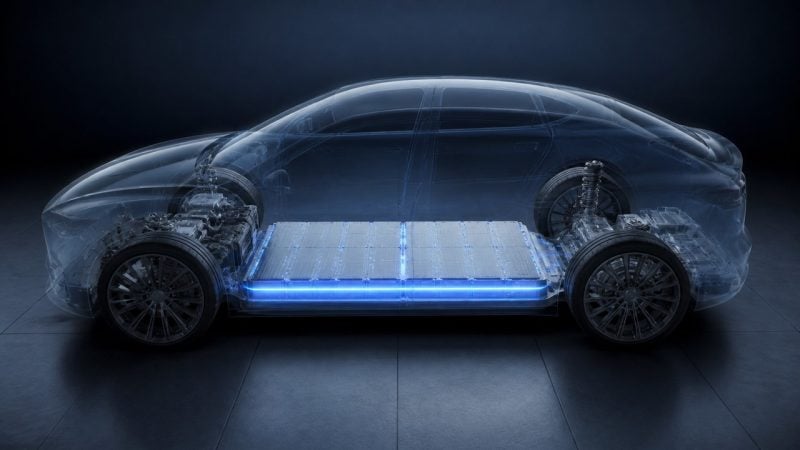
The vehicles in question are Pony.ai’s Gen-7 robotaxis, the company’s latest generation of autonomous cars. The plan is for riders to eventually hail them through the same Uber app they already use for ordinary trips.
A crowded London starting grid
Uber and Pony.ai are not first in line. UK-based startup Wayve launched London’s first supervised robotaxi service in early September 2026, using 15 Ford Mustang Mach-E vehicles.
AI, tech, and the markets they move—in one daily briefing.
Daily. Free. Join 34,000+ readers across crypto, finance, and policy.
Wayve’s cars run with safety drivers on board. Passengers request rides through the Uber app, which means Uber already has one autonomous partner live in the city before Pony.ai’s cars turn a wheel there.
More than 140,000 users in London have opted into the service so far.
Other heavyweights are circling too. Baidu’s Apollo Go and Waymo are also exploring the London market for autonomous vehicle operations.
The rules of the road
Regulation shapes all of this. The UK’s Automated Vehicles Act provides the legal framework for autonomous vehicle trials and operations.
Any company hoping to run robotaxis in the capital also needs to coordinate with Transport for London. The national law sets the framework, but the city’s transport authority still holds real influence over how things actually work on the streets.
Uber’s partner-first playbook
The London plan fits a clear pattern in Uber’s approach to autonomy. Rather than building its own self-driving system, the company has been forming partnerships with a range of autonomous vehicle technology providers.
In London alone, that strategy already shows up twice: Wayve’s supervised service is live on the app, and Pony.ai is preparing to test. Uber supplies the riders, the app and the network. Its partners supply the driving.
What this means for the robotaxi race
Competition is the other big variable. With Wayve already operating, Pony.ai preparing to test, and Baidu’s Apollo Go and Waymo exploring the market, London could get crowded quickly.
The things worth watching in the coming months are fairly concrete. How quickly do testing permits turn into paying rides? How does Transport for London shape the rollout? And do those 140,000-plus opted-in users actually keep booking driverless trips once the novelty fades?