
Ukraine halts Black Sea port operations after Russian strikes escalate conflict

https://www.economist.com/europe/2024/01/28/russia-is-losing-the-battle-for-the-black-sea

Ukraine halts Black Sea port operations after Russian strikes escalate conflict

Ukraine recapture of crimea

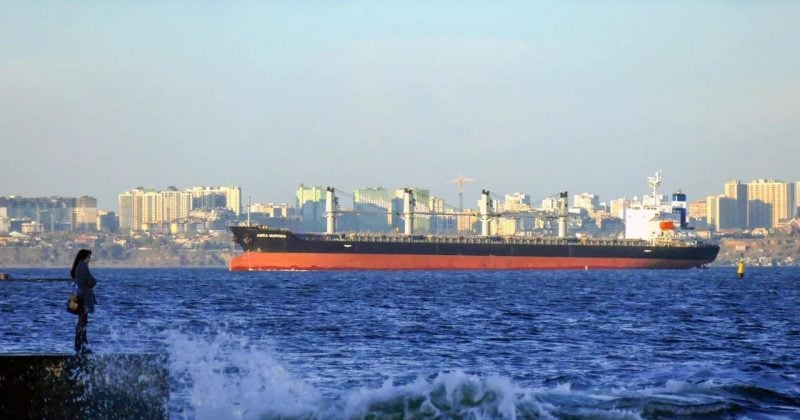
Ukraine’s Black Sea ports have ceased operations following recent Russian strikes, leading to a halt in grain exports and civilian casualties. The disruption has intensified the ongoing conflict, with significant implications for Ukraine’s economy and military logistics. The Black Sea Grain Initiative, which previously facilitated safe passage for exports, is no longer operational following Russia’s withdrawal and subsequent military actions. This development marks a further escalation in the Russia-Ukraine war, as skirmishes extend into maritime corridors.

Advertisement

Key Takeaways

  • The closure of Ukraine’s Black Sea ports suggests a setback for Ukrainian military logistics, potentially decreasing the likelihood of recapturing Crimea.
  • The increased military actions and halted grain exports appear consistent with a reduced probability of a Russia-Ukraine ceasefire agreement.
  • Russian control over Black Sea ports may indicate increased chances of Russian military advances, as evidenced by heightened pricing for Russian entry into Sloviansk.

What to Watch

Observers should monitor for further military escalations in the Black Sea region, which could affect the likelihood of a ceasefire agreement. Key indicators include potential diplomatic engagements or renewed negotiations between Russia and Ukraine. The international response, including sanctions or mediation efforts, may also influence the evolving situation. Additionally, any evidence of Ukrainian countermeasures or successful defense of strategic positions could impact pricing regarding Ukraine’s territorial ambitions.

Get live prediction-market analysis, powered by Vera. Sign up for Vera.

Disclosure: This article was edited by Estefano Gomez. For more information on how we create and review content, see our Editorial Policy.

Ukraine halts Black Sea port operations after Russian strikes escalate conflict

Ukraine halts Black Sea port operations after Russian strikes escalate conflict

Ukraine recapture of crimea

https://www.economist.com/europe/2024/01/28/russia-is-losing-the-battle-for-the-black-sea

Ukraine’s Black Sea ports have ceased operations following recent Russian strikes, leading to a halt in grain exports and civilian casualties. The disruption has intensified the ongoing conflict, with significant implications for Ukraine’s economy and military logistics. The Black Sea Grain Initiative, which previously facilitated safe passage for exports, is no longer operational following Russia’s withdrawal and subsequent military actions. This development marks a further escalation in the Russia-Ukraine war, as skirmishes extend into maritime corridors.

Advertisement

Key Takeaways

  • The closure of Ukraine’s Black Sea ports suggests a setback for Ukrainian military logistics, potentially decreasing the likelihood of recapturing Crimea.
  • The increased military actions and halted grain exports appear consistent with a reduced probability of a Russia-Ukraine ceasefire agreement.
  • Russian control over Black Sea ports may indicate increased chances of Russian military advances, as evidenced by heightened pricing for Russian entry into Sloviansk.

What to Watch

Observers should monitor for further military escalations in the Black Sea region, which could affect the likelihood of a ceasefire agreement. Key indicators include potential diplomatic engagements or renewed negotiations between Russia and Ukraine. The international response, including sanctions or mediation efforts, may also influence the evolving situation. Additionally, any evidence of Ukrainian countermeasures or successful defense of strategic positions could impact pricing regarding Ukraine’s territorial ambitions.

Get live prediction-market analysis, powered by Vera. Sign up for Vera.

Disclosure: This article was edited by Estefano Gomez. For more information on how we create and review content, see our Editorial Policy.