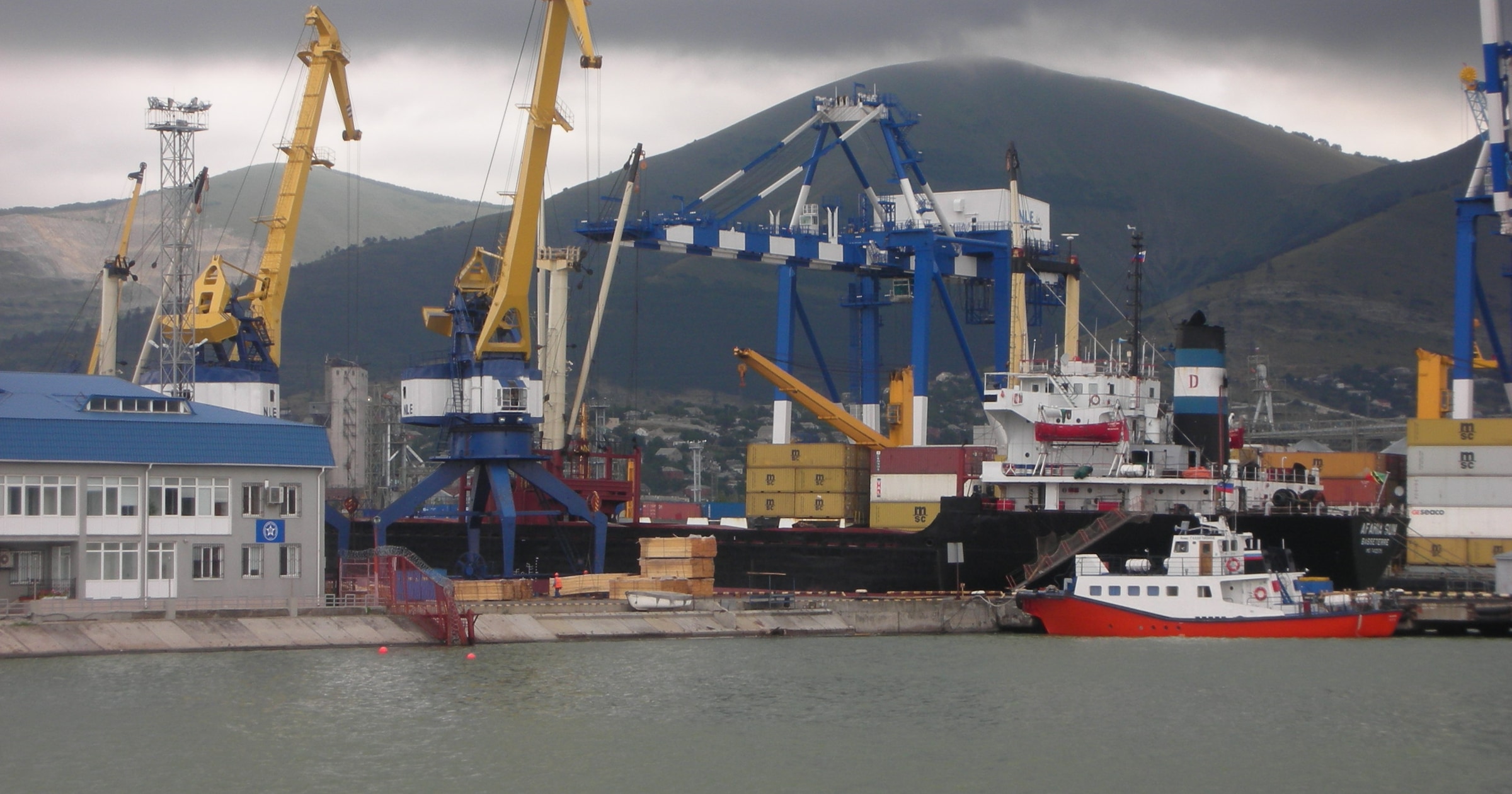
Ukraine strikes grain terminals and naval base at Russia’s Novorossiysk port
Via en.wikipedia.org
The attack on Russia's largest Black Sea port damaged three major grain terminals and targeted what Zelenskyy called the fleet's last major stronghold
Ukrainian forces launched a combined drone and missile assault on Novorossiysk, Russia’s most important Black Sea port, hitting three major grain export terminals and the naval base that serves as the Black Sea Fleet’s primary remaining stronghold. The attack, carried out in the early hours of August 11-12, has suspended operations at key export facilities and raised fresh concerns about global wheat supply stability.
One child was killed and eight people were injured in the strikes, according to local reports, with damage extending to residential areas and several enterprises in Krasnodar Krai.
What got hit, and why it matters
Three grain terminals sustained direct hits: the Demetra Holding terminal, the NKHP facility linked to the Novorossiysk Grain Plant, and the KSK terminal. Operations at two of the major terminals have been suspended while damage assessments are underway.
To put the scale in perspective, NKHP alone has an export capacity of roughly 7.1 million metric tons per year. Ukraine and Russia together account for a massive share of the world’s wheat exports, and Novorossiysk is the single most important node in Russia’s agricultural export network.
Ukrainian President Volodymyr Zelenskyy framed the operation as more than an attack on grain infrastructure. He described targets that included air-defense systems and broader port infrastructure, characterizing Novorossiysk as the Black Sea Fleet’s last major stronghold. The assault reportedly involved Palianytsia drones and Neptune missiles, a combination that suggests Ukraine brought its more advanced domestically produced weapons to the operation.
The Neptune missile, originally designed as an anti-ship weapon, has been adapted for land-based strikes over the course of the war. Using it against port facilities signals that Ukraine is treating Novorossiysk as both a military and economic target simultaneously.
The news moving money, markets, and the world—before your day starts.
Daily. Free. Join 34,000+ readers across crypto, finance, and policy.
A pattern, not an anomaly
This was not the first time Novorossiysk has come under fire in 2026. Ukrainian forces struck the port in both April and June, establishing a clear pattern of targeting Russian export infrastructure along the Black Sea coast.
For context, Russia relocated much of its Black Sea Fleet operations to Novorossiysk after repeated Ukrainian strikes rendered the Crimean port of Sevastopol increasingly untenable. That shift turned Novorossiysk into both a military hub and a high-value target, concentrating naval assets alongside commercial export terminals in a way that creates obvious vulnerabilities.
Global grain markets brace for disruption
Even temporary shutdowns at facilities with millions of metric tons of annual capacity can ripple through global supply chains. Wheat futures tend to be hypersensitive to Black Sea disruptions, and traders who remember the volatility that followed the collapse of the Black Sea grain deal in 2023 know how rapidly prices can move when this corridor gets constrained.
Insurance costs for vessels operating in the Black Sea region have already been elevated throughout the conflict. Each new attack on port infrastructure pushes premiums higher, which adds friction and cost to every shipment that does manage to leave, even from facilities that were not directly hit.
Russia’s other Black Sea ports lack the capacity to absorb the volumes that flow through Novorossiysk, and rerouting exports through alternative corridors involves logistical challenges that cannot be solved in weeks or months.
Disclosure: This article was edited by Editorial Team. For more information on how we create and review content, see our Editorial Policy.

