
https://www.travelandtourworld.com/news/article/2b4j1bngofzt/
US airstrikes on Iran-Iraq border kill two, ships ablaze in key straits
Iran full airspace closure
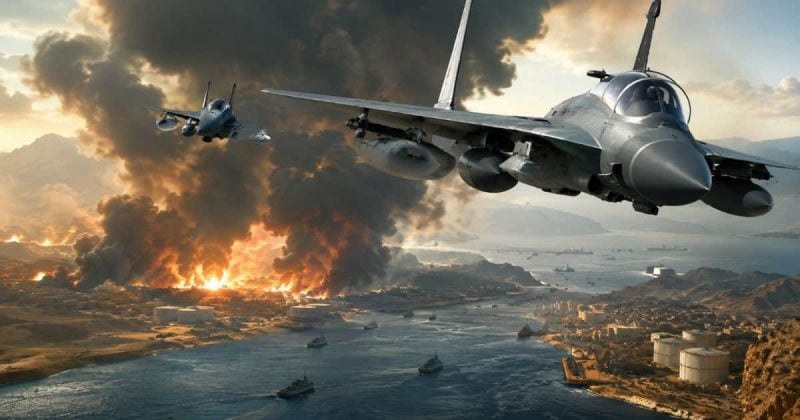
The United States has conducted airstrikes on the Iran-Iraq border, resulting in the deaths of two individuals, according to reports from Al Jazeera. This marks the 12th consecutive night of military operations by the U.S. in the region. The airstrikes have also led to fires on ships in the Strait of Hormuz and the Bab al-Mandeb, two critical maritime chokepoints. The ongoing conflict between the U.S. and Iran is characterized by targeted strikes and retaliatory actions, affecting commercial shipping and regional security dynamics. The escalation comes as both nations engage in a highly tense but limited military phase, with U.S. operations aiming to reduce Iran’s capacity to disrupt maritime activities.
Key Takeaways
- Market behavior suggests that the U.S. airstrikes may lead to Iran considering a full airspace closure as a defensive action.
- The odds of a full airspace closure by July 31 have increased from 34% to 37.5%, reflecting heightened tensions and potential for further escalation.
- The conflict appears to be expanding to critical sea lanes, which could influence Iran’s decision-making regarding airspace restrictions.
What to Watch
Observers should monitor any official communications from the Civil Aviation Organization of Iran or announcements on Iranian state media, as these could indicate an impending airspace closure. The U.S. military’s continued operations and any de-escalation statements from President Trump are also key indicators of how the situation might develop. Developments in the maritime domain, particularly further disruptions in the Strait of Hormuz or the Bab al-Mandeb, could further impact market expectations regarding Iran’s airspace decisions.