
US Central Command seeks new strategies to pressure Iran amid conflict

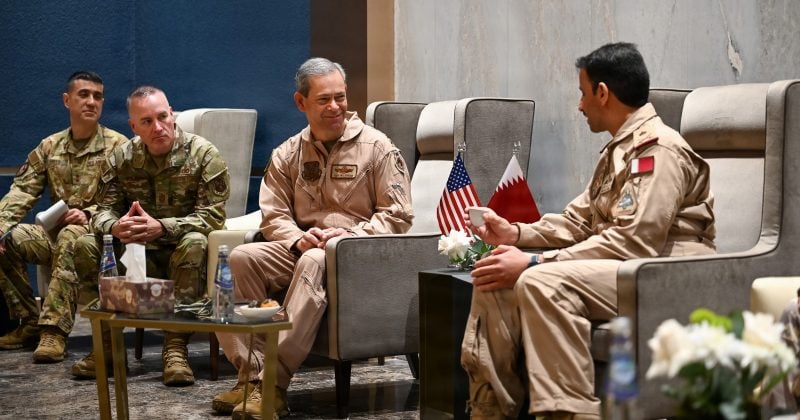
https://commons.wikimedia.org/wiki/Category:United_States_Central_Command

US Central Command seeks new strategies to pressure Iran amid conflict

US end of Iranian blockade

The United States Central Command has reportedly reached out to military analysts for new approaches to increase pressure on Iran. This move is part of ongoing efforts to address escalating tensions between the two nations, which have intensified into open military conflict. The search for unconventional strategies suggests a shift from traditional deterrence towards more coercive measures, potentially aimed at limiting Iran’s asymmetric retaliation capabilities. The request for innovative concepts highlights a potential interest in escalation that avoids full-scale invasion, while still exerting significant pressure on Iran.

Advertisement

Key Takeaways

  • The request for unconventional strategies appears to suggest an escalation in US-Iran tensions, which could impact ongoing conflict dynamics.
  • Market pricing indicates a perceived decrease in the likelihood of the US announcing the end of the Iranian blockade by August 31, 2026.
  • The focus on increasing pressure and punishment is consistent with CENTCOM’s strategy to limit Iran’s regional influence and retaliatory options.

What to Watch

Watch for any official statements from US Central Command or the Pentagon that provide further details on the proposed unconventional strategies. Developments in US-Iran relations, especially any high-level diplomatic engagements or military maneuvers, could significantly influence market perceptions. The upcoming weeks are crucial, as any significant change in the conflict’s trajectory may alter the probability of the US announcing an end to the blockade by the specified dates.

Get live prediction-market analysis, powered by Vera. Sign up for Vera.

Disclosure: This article was edited by Estefano Gomez. For more information on how we create and review content, see our Editorial Policy.

US Central Command seeks new strategies to pressure Iran amid conflict

US Central Command seeks new strategies to pressure Iran amid conflict

US end of Iranian blockade

https://commons.wikimedia.org/wiki/Category:United_States_Central_Command

The United States Central Command has reportedly reached out to military analysts for new approaches to increase pressure on Iran. This move is part of ongoing efforts to address escalating tensions between the two nations, which have intensified into open military conflict. The search for unconventional strategies suggests a shift from traditional deterrence towards more coercive measures, potentially aimed at limiting Iran’s asymmetric retaliation capabilities. The request for innovative concepts highlights a potential interest in escalation that avoids full-scale invasion, while still exerting significant pressure on Iran.

Advertisement

Key Takeaways

  • The request for unconventional strategies appears to suggest an escalation in US-Iran tensions, which could impact ongoing conflict dynamics.
  • Market pricing indicates a perceived decrease in the likelihood of the US announcing the end of the Iranian blockade by August 31, 2026.
  • The focus on increasing pressure and punishment is consistent with CENTCOM’s strategy to limit Iran’s regional influence and retaliatory options.

What to Watch

Watch for any official statements from US Central Command or the Pentagon that provide further details on the proposed unconventional strategies. Developments in US-Iran relations, especially any high-level diplomatic engagements or military maneuvers, could significantly influence market perceptions. The upcoming weeks are crucial, as any significant change in the conflict’s trajectory may alter the probability of the US announcing an end to the blockade by the specified dates.

Get live prediction-market analysis, powered by Vera. Sign up for Vera.

Disclosure: This article was edited by Estefano Gomez. For more information on how we create and review content, see our Editorial Policy.