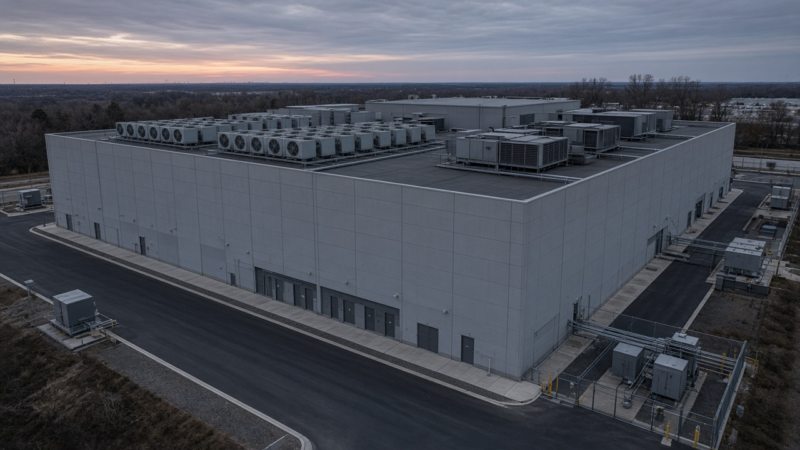
A recent analysis suggests that the rapid expansion of data centers in the United States, driven by rising demand from artificial intelligence technologies, could significantly increase greenhouse gas emissions. The report, attributed to the Sierra Club, indicates that this growth may reverse years of progress in reducing emissions in the US power sector. It projects that if all planned data center projects proceed, emissions could rise to 2.1 billion metric tons of CO₂ by 2030, a 42% increase from 2025 levels. The findings have prompted discussions about potential regulatory actions, such as moratoriums on new data center construction in states like Oklahoma and Louisiana.
Key Takeaways
- The analysis appears to suggest that the US power sector could see a 42% increase in emissions by 2030 due to data center expansion.
- Markets seem to consider this development as a key factor that could influence legislative actions, such as enacting moratoriums on new data center projects.
- The Oklahoma data center moratorium market shows a YES probability of 21.5% for enactment by December 31, 2027, reflecting concerns over environmental impacts.
What to Watch
Observers are closely monitoring legislative movements in Oklahoma and Louisiana, where data center moratorium proposals could gain traction. Key indicators include bills being filed, hearings scheduled, and public statements from significant state figures like governors or utility commissions. Developments such as increased public opposition or new data revealing heightened environmental impacts may further influence the likelihood of moratorium enactment. The evolving policy environment will be pivotal in determining whether these states opt for stringent measures to control data center proliferation and associated emissions.

