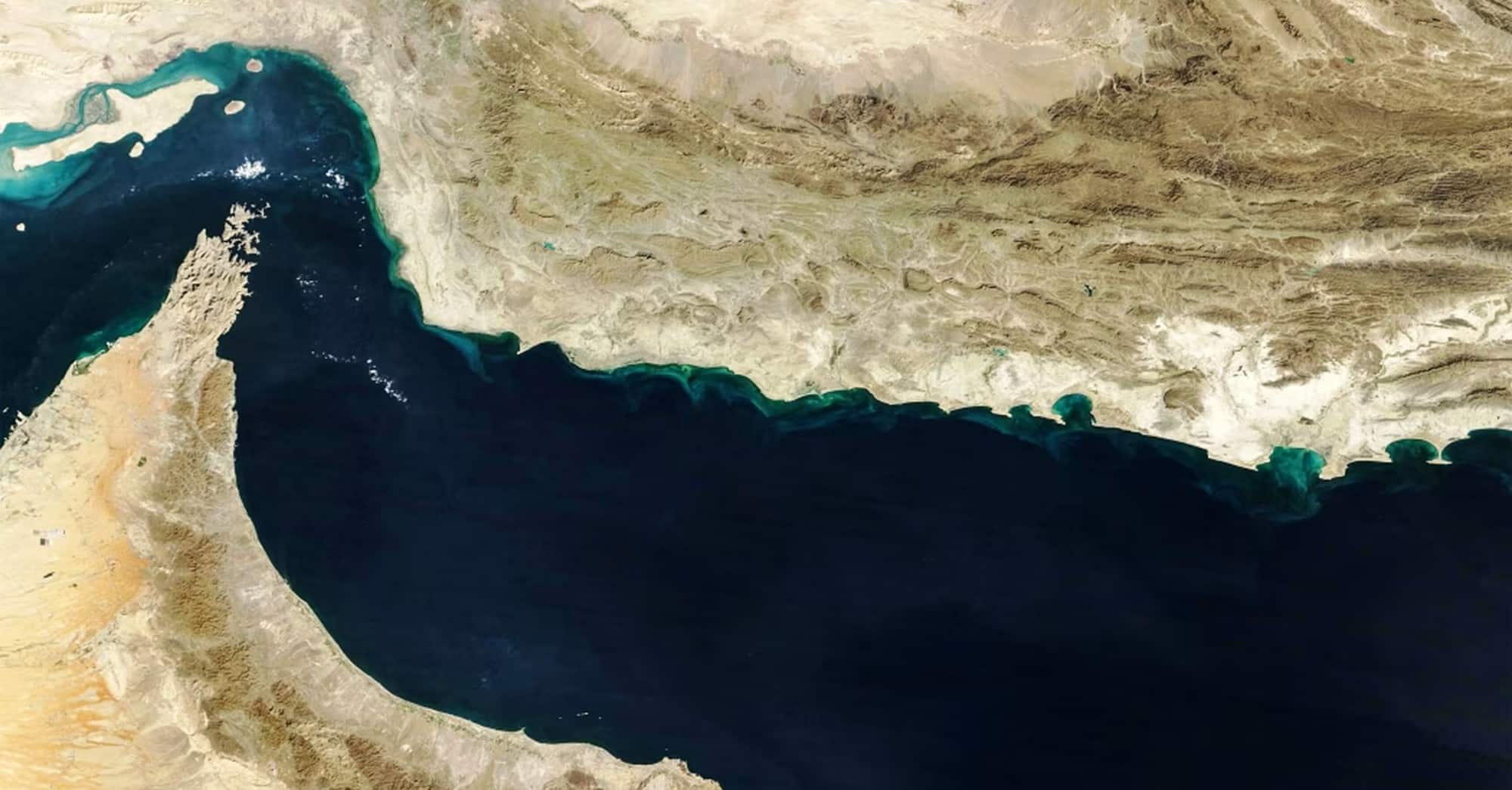
US imposes full naval blockade on Iranian ports after peace talks fail
US-Iran Ceasefire
The U.S. initiated a full naval blockade of Iranian ports on April 13 after peace talks collapsed. The April 15 ceasefire market sits at
Market reaction
The blockade is a direct escalation from previous containment strategies and makes a near-term ceasefire less plausible. The
Why it matters
The blockade signals a harder U.S. stance. The Trump administration appears committed to sustained pressure rather than quick concessions, which reduces the probability of agreeing to Iranian demands in April. The lack of movement in related markets confirms this reading. A YES share in the U.S. invasion of Iran market could attract more interest, since the blockade implies readiness for further military action.
What to watch
Traders should monitor shifts in CENTCOM strategy and statements from intermediaries like Oman and Qatar. Any sign of resumed talks could move these illiquid markets fast and by a lot.
API access
Disclosure: This article was edited by Estefano Gomez. For more information on how we create and review content, see our Editorial Policy.

