
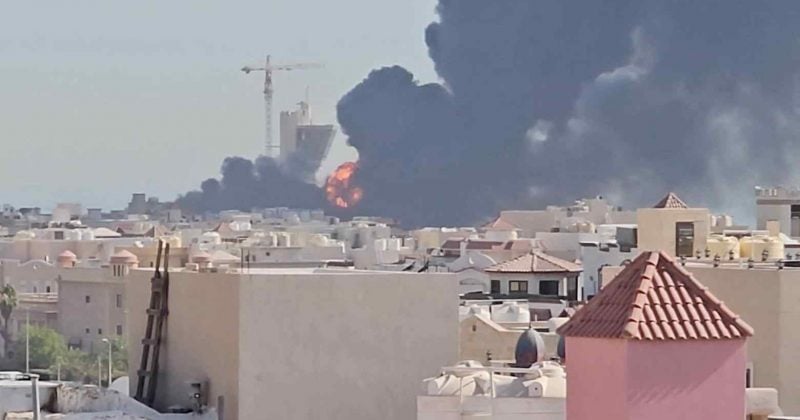
US-Iran tensions escalate after missile attack kills 2 American troops in Jordan

https://asia.nikkei.com/spotlight/iran-tensions/iran-war/2-us-military-personnel-killed-by-iranian-attack-in-jordan

US-Iran tensions escalate after missile attack kills 2 American troops in Jordan

Iran military action against a gulf state

The conflict between the United States and Iran has intensified following a missile attack that resulted in the deaths of two American service members in Jordan. The U.S. military responded by targeting Iranian forces believed to be responsible for the attack. This incident marks a significant escalation in the ongoing hostilities between the two nations, which have been exchanging military actions since the collapse of a ceasefire agreement in June. The attack suggests a shift from proxy engagements to direct confrontations involving state military forces.

Advertisement

Key Takeaways

  • The recent U.S. military response appears to reflect a heightened risk of further Iranian military actions in the Gulf region.
  • Market pricing suggests an increased likelihood of Iranian military action against a Gulf state by July 22, with odds rising to 60.5% from 55% over the past 24 hours.
  • The escalation is consistent with scenarios where regional tensions remain high, potentially impacting Gulf state security dynamics.

What to Watch

Observers should monitor further military actions and diplomatic communications from key regional actors, including Iran’s leadership and Gulf states. Developments such as additional retaliatory strikes or diplomatic interventions could influence market pricing for potential Iranian actions. The upcoming days are critical as the probability of further military engagements remains elevated, especially with the July 22 prediction market showing increased activity.

Get live prediction-market analysis, powered by Vera. Sign up for Vera.

Disclosure: This article was edited by Estefano Gomez. For more information on how we create and review content, see our Editorial Policy.

US-Iran tensions escalate after missile attack kills 2 American troops in Jordan

US-Iran tensions escalate after missile attack kills 2 American troops in Jordan

Iran military action against a gulf state

https://asia.nikkei.com/spotlight/iran-tensions/iran-war/2-us-military-personnel-killed-by-iranian-attack-in-jordan

The conflict between the United States and Iran has intensified following a missile attack that resulted in the deaths of two American service members in Jordan. The U.S. military responded by targeting Iranian forces believed to be responsible for the attack. This incident marks a significant escalation in the ongoing hostilities between the two nations, which have been exchanging military actions since the collapse of a ceasefire agreement in June. The attack suggests a shift from proxy engagements to direct confrontations involving state military forces.

Advertisement

Key Takeaways

  • The recent U.S. military response appears to reflect a heightened risk of further Iranian military actions in the Gulf region.
  • Market pricing suggests an increased likelihood of Iranian military action against a Gulf state by July 22, with odds rising to 60.5% from 55% over the past 24 hours.
  • The escalation is consistent with scenarios where regional tensions remain high, potentially impacting Gulf state security dynamics.

What to Watch

Observers should monitor further military actions and diplomatic communications from key regional actors, including Iran’s leadership and Gulf states. Developments such as additional retaliatory strikes or diplomatic interventions could influence market pricing for potential Iranian actions. The upcoming days are critical as the probability of further military engagements remains elevated, especially with the July 22 prediction market showing increased activity.

Get live prediction-market analysis, powered by Vera. Sign up for Vera.

Disclosure: This article was edited by Estefano Gomez. For more information on how we create and review content, see our Editorial Policy.