
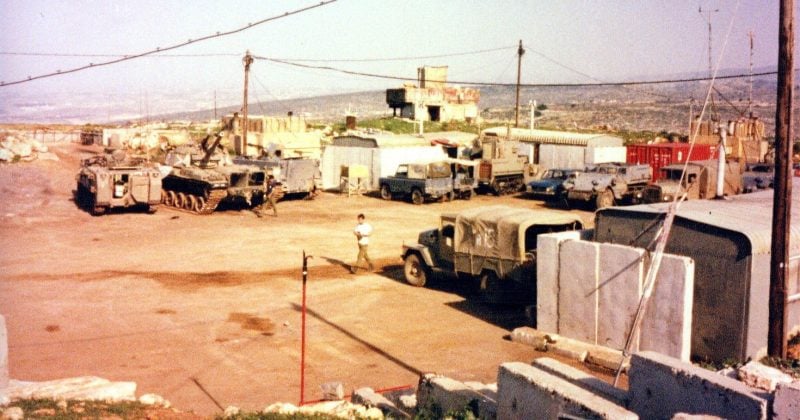
US, Israel, Lebanon sign framework for Israeli troop withdrawal from south Lebanon

https://en.wikipedia.org/wiki/South_Lebanon_conflict_(19852000)

US, Israel, Lebanon sign framework for Israeli troop withdrawal from south Lebanon

Israel-Hezbollah permanent peace deal

The United States, Israel, and Lebanon have signed a framework agreement to withdraw Israeli forces from southern Lebanon, contingent on verified disarmament steps. The agreement aims to restore Lebanese sovereignty and prevent the return of Hezbollah, but its implementation remains uncertain as Hezbollah has rejected the agreement, labeling it “null and void.” Despite the formal endorsement by the Lebanese government of a state-only weapons monopoly plan, the fragile military status persists, with Israeli troops still occupying parts of southern Lebanon. The framework reflects a significant diplomatic effort by the U.S. to mediate peace in the region, though the path forward is fraught with challenges.

Advertisement

Key Takeaways

  • The signing of a U.S.-brokered framework agreement appears to significantly increase the likelihood of an Israel-Hezbollah permanent peace deal by the July 2026 deadline.
  • Markets suggest that the framework is a key indicator of an imminent diplomatic meeting between Israel and Lebanon, as both nations and the U.S. are engaged in high-level discussions.
  • Hezbollah’s outright rejection of the framework agreement indicates that enforcing a ceasefire and achieving disarmament remain uncertain, impacting the peace deal’s viability.

What to Watch

Observers should monitor Hezbollah’s response to the framework and any subsequent statements from Israel and the Lebanese government. The U.S. Department of State’s involvement in facilitating further negotiations will be crucial, as any joint declarations or disarmament progress could align with a YES outcome for a permanent peace agreement. Additionally, the situation on the ground in southern Lebanon, including potential escalations or troop movements, will be key indicators of the framework’s impact on regional stability.

Get prediction market intelligence as a structured API feed. Early access waitlist.

Disclosure: This article was edited by Estefano Gomez. For more information on how we create and review content, see our Editorial Policy.

US, Israel, Lebanon sign framework for Israeli troop withdrawal from south Lebanon

US, Israel, Lebanon sign framework for Israeli troop withdrawal from south Lebanon

Israel-Hezbollah permanent peace deal

https://en.wikipedia.org/wiki/South_Lebanon_conflict_(19852000)

The United States, Israel, and Lebanon have signed a framework agreement to withdraw Israeli forces from southern Lebanon, contingent on verified disarmament steps. The agreement aims to restore Lebanese sovereignty and prevent the return of Hezbollah, but its implementation remains uncertain as Hezbollah has rejected the agreement, labeling it “null and void.” Despite the formal endorsement by the Lebanese government of a state-only weapons monopoly plan, the fragile military status persists, with Israeli troops still occupying parts of southern Lebanon. The framework reflects a significant diplomatic effort by the U.S. to mediate peace in the region, though the path forward is fraught with challenges.

Advertisement

Key Takeaways

  • The signing of a U.S.-brokered framework agreement appears to significantly increase the likelihood of an Israel-Hezbollah permanent peace deal by the July 2026 deadline.
  • Markets suggest that the framework is a key indicator of an imminent diplomatic meeting between Israel and Lebanon, as both nations and the U.S. are engaged in high-level discussions.
  • Hezbollah’s outright rejection of the framework agreement indicates that enforcing a ceasefire and achieving disarmament remain uncertain, impacting the peace deal’s viability.

What to Watch

Observers should monitor Hezbollah’s response to the framework and any subsequent statements from Israel and the Lebanese government. The U.S. Department of State’s involvement in facilitating further negotiations will be crucial, as any joint declarations or disarmament progress could align with a YES outcome for a permanent peace agreement. Additionally, the situation on the ground in southern Lebanon, including potential escalations or troop movements, will be key indicators of the framework’s impact on regional stability.

Get prediction market intelligence as a structured API feed. Early access waitlist.

Disclosure: This article was edited by Estefano Gomez. For more information on how we create and review content, see our Editorial Policy.