
US missile strike on Iran’s Larak Island raises stakes in Strait of Hormuz standoff
The attack on a maritime traffic control tower in the world's most important oil chokepoint adds another chapter to escalating US-Iran military exchanges in 2026.
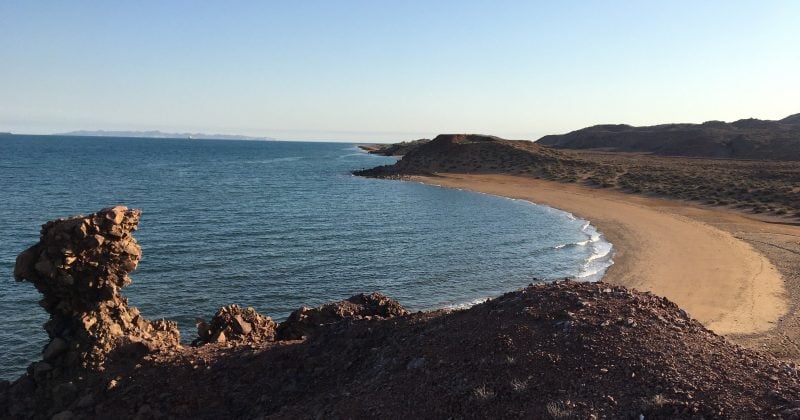
A US missile struck Iran’s Larak Island on July 18, hitting the maritime traffic control tower operated by the Ports and Maritime Organisation. The facility sits in the Strait of Hormuz, the narrow waterway through which a significant share of the world’s oil supply passes every single day.
What happened and what we know so far
Iranian state media reported that the missile struck the central mast of the traffic control tower on Larak Island. Damage assessments are still underway, and as of now, no detailed casualty reports or damage figures have been publicly released.
US Central Command has not publicly confirmed the specific strike on the Larak facility.
This was not an isolated incident. US forces reportedly targeted facilities on Greater Tunb Island around July 15, just three days before the Larak attack. Strikes on Qeshm Island had already taken place in June.
Iranian outlets have also indicated prior attacks on vessels south of Larak Island, attributed to US or Israeli aircraft.
Macro, rates, and crypto—what moved markets and what matters next.
Daily. Free. Join 34,000+ readers across crypto, finance, and policy.
Why the Strait of Hormuz matters to every market
Targeting a maritime traffic control facility is particularly significant because these towers coordinate vessel movements through some of the most congested shipping lanes on the planet. The 2019 attacks on Saudi Aramco facilities, which were attributed to Iran-backed forces, sent crude prices jumping nearly 15% in a single day.
The Strait of Hormuz connects the Persian Gulf to the Gulf of Oman and the broader Indian Ocean. Major oil-producing nations like Saudi Arabia, Iraq, Kuwait, and the UAE depend on this passage to get their crude to market.
What this means for crypto and broader markets
So far, the cryptocurrency market has not shown a direct reaction to the Larak strike or the broader pattern of US-Iran military exchanges. No specific tokens have been linked to these developments, and trading patterns in major digital assets have remained relatively steady.
Bitcoin briefly surged during the initial US-Iran tensions in January 2020 but then tracked broader risk-off sentiment as uncertainty deepened.
Traders positioned in oil-adjacent plays, energy tokens, or simply holding significant crypto exposure should be watching three things: any disruption to actual tanker traffic through the Strait, official US military statements that confirm or expand the scope of operations, and Iran’s response.