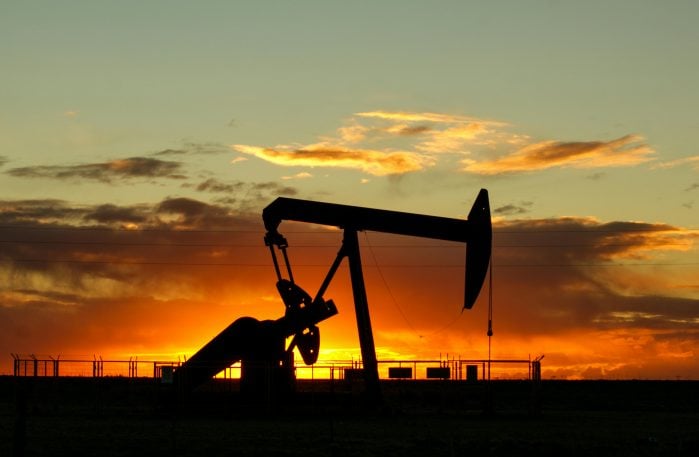
US oil prices have dropped below $93 per barrel as the markets respond to recent outcomes from the U.S. Midterm Elections. This decline is noted in the context of West Texas Intermediate (WTI) crude futures, the U.S. oil benchmark, which fell from previous levels of around $95–$97 per barrel. The election results, which saw Democrats capturing both congressional chambers, have introduced uncertainty over U.S. policy in the Middle East, particularly with regard to Iran. The market reaction suggests that participants may be adjusting their expectations for future oil pricing amid these geopolitical developments.
Key Takeaways
- The drop in U.S. oil prices below $93 per barrel appears to have influenced the market’s outlook on future oil prices.
- Market pricing suggests a decrease in the likelihood of crude oil reaching a new all-time high by December 31.
- The recent election results and potential policy shifts are consistent with expectations of decreased oil price volatility.
What to Watch
Market participants will be closely monitoring the U.S. government’s policy direction regarding Iran, as any developments could further influence oil prices. Key figures such as OPEC Secretary General Mohammad Sanusi Barkindo and Saudi Minister of Energy Abdulaziz bin Salman Al Saud may play significant roles in shaping market expectations. Additionally, upcoming diplomatic engagements in the Middle East could indicate whether current pricing trends are likely to continue or reverse.

