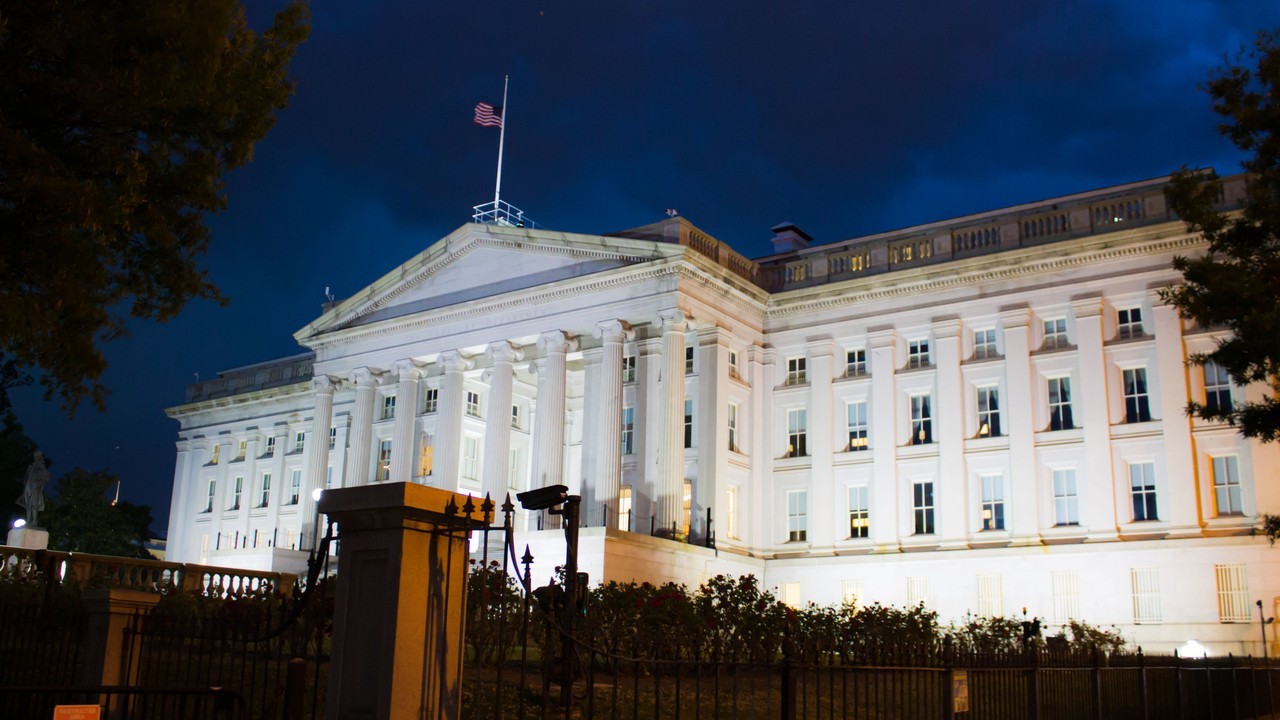
US Treasury sanctions 45 targets linked to Prince Group scams
Photo: Thuan Vo / Pexels
OFAC's third round against the Cambodia-based network hits four individuals and 41 entities, plus a Malaysian man accused of running fake NFT scams from Madagascar
The US Treasury has gone back to the Prince Group well a third time. On November 5, 2026, the Office of Foreign Assets Control sanctioned 45 targets it says support the Cambodia-based organization’s alleged crypto scam operations.
The list includes four individuals and 41 entities. Washington treats Prince Group as a transnational criminal organization, and it keeps finding more people and companies to add to the file.
Who got hit, and where
Among the individuals named are Qiu Yong, Zhao Mengyao, He Yujing and Visal Pang. They join a roster of Prince Group-affiliated actors that has grown with each enforcement round.
The 41 entities are where the story gets interesting. They are corporate vehicles spread across the British Virgin Islands, Hong Kong, Cambodia, Singapore, Mauritius and Malaysia.
Treasury says the goal of this action is to disrupt the money laundering networks behind the scams and to block their access to the financial system.
The scam machine, as Treasury describes it
Prince Group is accused of generating billions of dollars in illicit funds through cyber-enabled fraud. The alleged schemes include digital asset investment scams and romance scams.
According to Treasury, these operations often run out of compounds in Southeast Asia that have been implicated in human trafficking. That detail matters, because it means the harm runs in two directions.
The crypto and markets news you actually need—every morning.
Daily. Free. Join 34,000+ readers across crypto, finance, and policy.
On one end are victims who lose savings to fake investment platforms or fabricated relationships. On the other are people allegedly forced to work inside the compounds running the scams.
A side case in Madagascar
Treasury also sanctioned Chui Kok Wa, a Malaysian national. OFAC says he led a scam network based in Madagascar that defrauded Americans of more than $400,000 in digital assets.
The alleged methods included fake NFT investment scams. Victims were reportedly pitched on digital collectibles that turned out to be a vehicle for draining their wallets.
Related Department of Justice charges referenced approximately $516,695 stolen from 74 crypto wallets belonging to around 800 victims through fake NFT schemes. The gap between that figure and Treasury’s “more than $400,000” reflects two agencies describing the case through different lenses.
Third time is not the charm, yet
This is the third major US sanctions tranche aimed at Prince Group-related actors. Earlier designations came in October 2025 and June 2026.
What this means for crypto
For the crypto industry, the most direct impact lands on compliance teams. Exchanges, custodians and payment firms now have 45 more names to screen against, along with Chui Kok Wa.
Firms that touch flows connected to Hong Kong, Singapore, Malaysia or offshore centers like the British Virgin Islands and Mauritius will likely feel this most.
The NFT angle in the Chui Kok Wa case is a reminder that scammers follow whatever is popular or poorly understood. Fake collectibles offer an easy story to sell to people who have heard NFTs can be valuable but have no way to verify any specific offer.
Disclosure: This article was edited by John Chen. For more information on how we create and review content, see our Editorial Policy.

