
U.S. treasury sanctions two iranian firms linked to bitcoin payments and sanctions evasion

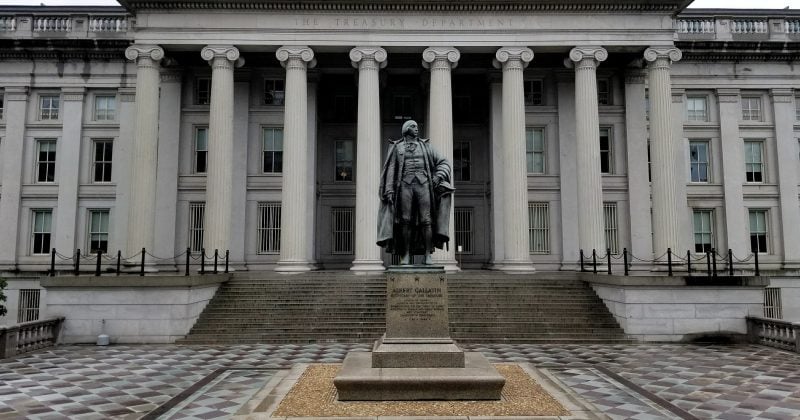
https://en.wikipedia.org/wiki/Treasury_Building_(Washington,_D.C.)

U.S. treasury sanctions two iranian firms linked to bitcoin payments and sanctions evasion

US-Iran final nuclear deal

The U.S. Treasury Department has announced sanctions against two Iranian firms involved in digital asset payments, targeting their role in an alleged scheme to evade financial restrictions. This move extends Washington’s ongoing efforts to clamp down on Iranian financial channels that bypass the formal banking system through cryptocurrencies. The sanctioned entities are reportedly connected to a broader network using Bitcoin as a means to circumvent sanctions, particularly in sectors like shipping insurance. This action suggests continued U.S. scrutiny of Iran’s use of digital assets within its sanctions-evasion strategies.

Advertisement

The sanctions come amid persistent tensions between the U.S. and Iran, with implications for the ongoing nuclear negotiations. Market pricing on prediction platforms related to a potential U.S.-Iran nuclear agreement appears to reflect growing skepticism about the likelihood of a deal. The announcement has coincided with shifts in market odds, suggesting that participants may perceive increased obstacles to diplomatic resolutions in the near term.

Key Takeaways

  • The U.S. Treasury’s sanctions on Iranian firms linked to crypto payments appear to align with broader efforts to counter sanctions evasion.
  • Market odds for a U.S.-Iran nuclear deal by August 13, 2026, have decreased to 1.4%, suggesting diminished confidence in reaching an agreement.
  • The sanctions could indicate heightened tensions, potentially impacting diplomatic negotiations and market expectations.

What to Watch

Observers will be looking for any official responses from Iran, especially from key figures like Ayatollah Khamenei or Foreign Minister Abbas Araghchi, as these could influence market sentiment further. Statements or actions that reinforce or ease tensions, such as a public commitment to negotiations or additional sanctions, may alter the perceived probability of a deal. Additionally, developments involving the International Atomic Energy Agency’s access in Iran could provide further indicators of the likelihood of a nuclear agreement.

Get live prediction-market analysis, powered by Vera. Sign up for Vera.

Disclosure: This article was edited by Estefano Gomez. For more information on how we create and review content, see our Editorial Policy.

U.S. treasury sanctions two iranian firms linked to bitcoin payments and sanctions evasion

U.S. treasury sanctions two iranian firms linked to bitcoin payments and sanctions evasion

US-Iran final nuclear deal

https://en.wikipedia.org/wiki/Treasury_Building_(Washington,_D.C.)

The U.S. Treasury Department has announced sanctions against two Iranian firms involved in digital asset payments, targeting their role in an alleged scheme to evade financial restrictions. This move extends Washington’s ongoing efforts to clamp down on Iranian financial channels that bypass the formal banking system through cryptocurrencies. The sanctioned entities are reportedly connected to a broader network using Bitcoin as a means to circumvent sanctions, particularly in sectors like shipping insurance. This action suggests continued U.S. scrutiny of Iran’s use of digital assets within its sanctions-evasion strategies.

Advertisement

The sanctions come amid persistent tensions between the U.S. and Iran, with implications for the ongoing nuclear negotiations. Market pricing on prediction platforms related to a potential U.S.-Iran nuclear agreement appears to reflect growing skepticism about the likelihood of a deal. The announcement has coincided with shifts in market odds, suggesting that participants may perceive increased obstacles to diplomatic resolutions in the near term.

Key Takeaways

  • The U.S. Treasury’s sanctions on Iranian firms linked to crypto payments appear to align with broader efforts to counter sanctions evasion.
  • Market odds for a U.S.-Iran nuclear deal by August 13, 2026, have decreased to 1.4%, suggesting diminished confidence in reaching an agreement.
  • The sanctions could indicate heightened tensions, potentially impacting diplomatic negotiations and market expectations.

What to Watch

Observers will be looking for any official responses from Iran, especially from key figures like Ayatollah Khamenei or Foreign Minister Abbas Araghchi, as these could influence market sentiment further. Statements or actions that reinforce or ease tensions, such as a public commitment to negotiations or additional sanctions, may alter the perceived probability of a deal. Additionally, developments involving the International Atomic Energy Agency’s access in Iran could provide further indicators of the likelihood of a nuclear agreement.

Get live prediction-market analysis, powered by Vera. Sign up for Vera.

Disclosure: This article was edited by Estefano Gomez. For more information on how we create and review content, see our Editorial Policy.