AMD agrees to invest up to $5 billion in Anthropic Class N stock alongside GPU deal
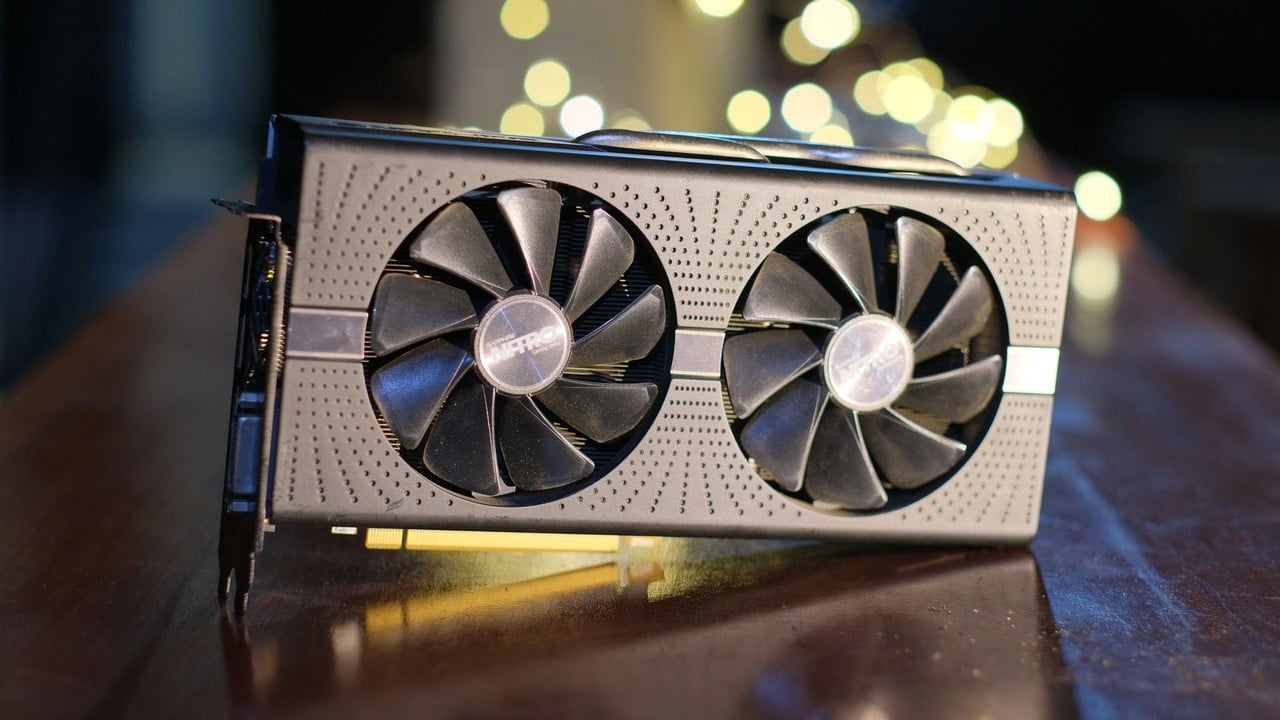
Photo: KyoRa Kee / Pexels
The chipmaker's equity commitment of up to $5 billion is tied to deploying up to 2 gigawatts of its Instinct MI450 GPUs
AMD has agreed to buy Anthropic Class N stock. The chipmaker isn’t just selling the AI lab its hardware. It is buying a piece of the company too.
The equity purchase is part of a broader deal the two companies announced on July 22, 2026. AMD has committed to invest up to $5 billion in Anthropic, paid out as deployment milestones are hit. The money is tied to Anthropic putting AMD’s chips to work at a very large scale.
What AMD is actually buying
The hardware side is big. Anthropic plans to deploy up to 2 gigawatts of AMD’s Instinct MI450 Series GPUs, housed in AMD’s Helios rack-scale systems.
The first phase of that rollout is targeted for the first half of 2027. That is the earliest point when these chips are expected to start doing real work for Anthropic.
The equity side comes as Class N common stock. These shares carry no voting rights. They do carry the same economic rights as Anthropic’s Class A shares.
The funding is not handed over all at once. AMD’s investment depends on specific delivery and deployment milestones being met. The first milestone is expected in 2027, and the full investment is expected to be spread out through fiscal year 2028.
More than a hardware order
The deal also includes a multi-year engineering partnership. As part of it, AMD plans to use Anthropic’s Claude models for its own internal software development.
The two companies will also work on tuning workloads to run on ROCm, AMD’s software platform for its GPUs.
This is a notable entry point for AMD. The deal makes it a compute supplier to Anthropic, a relationship AMD had not previously held.
AI, tech, and the markets they move—in one daily briefing.
Daily. Free. Join 34,000+ readers across crypto, finance, and policy.
It also breaks from how AMD has structured past AI deals. In partnerships with OpenAI and Meta, AMD typically gave the customer equity warrants in exchange for hardware commitments.
Here, the flow runs the other way. Instead of handing its customer a piece of AMD, AMD is buying a piece of its customer.
The Anthropic backdrop
The timing lines up with Anthropic’s move toward public markets. The company filed its S-1 on October 26, 2026, ahead of a planned Nasdaq listing.
That filing puts the AMD partnership in the context of Anthropic’s wider funding commitments, which involve major players including Amazon and Google.
The numbers around Anthropic have grown very large. The company was valued at $965 billion after its Series H round.
Its total committed spending on compute and infrastructure stands at approximately $895 billion. Against that figure, AMD’s investment of up to $5 billion is a meaningful check but a modest slice of Anthropic’s overall infrastructure appetite.
What this means
For AMD, the deal is a test of whether its chips can win serious share in AI compute beyond its existing partners. Landing Anthropic as a customer at the 2-gigawatt scale gives AMD a high-profile reference point.
The milestone structure cuts both ways, though. If deployments slip, the investment timeline likely slips with them. Anyone watching AMD will want to track whether the first-half 2027 deployment target holds and whether the first milestone lands in 2027 as expected.
The equity stake also gives AMD exposure to Anthropic’s fortunes ahead of a potential public listing. Because the Class N shares carry the same economic rights as Class A, AMD would share in any gains if Anthropic’s value keeps rising.
For Anthropic, the deal diversifies its compute supply. Adding AMD alongside its existing relationships with Amazon and Google spreads that risk.
The next markers to watch are concrete. Investors will look for the first MI450 deployments in Helios systems, progress on ROCm optimization for Anthropic workloads, and further disclosures as Anthropic moves through the listing process.
Disclosure: This article was edited by Diego Almada Lopez. For more information on how we create and review content, see our Editorial Policy.

