Apple's revamped Siri leans hard into on-device processing and 'Private Cloud Compute,' setting a new standard for consumer AI privacy that could ripple across fintech and digital identity.
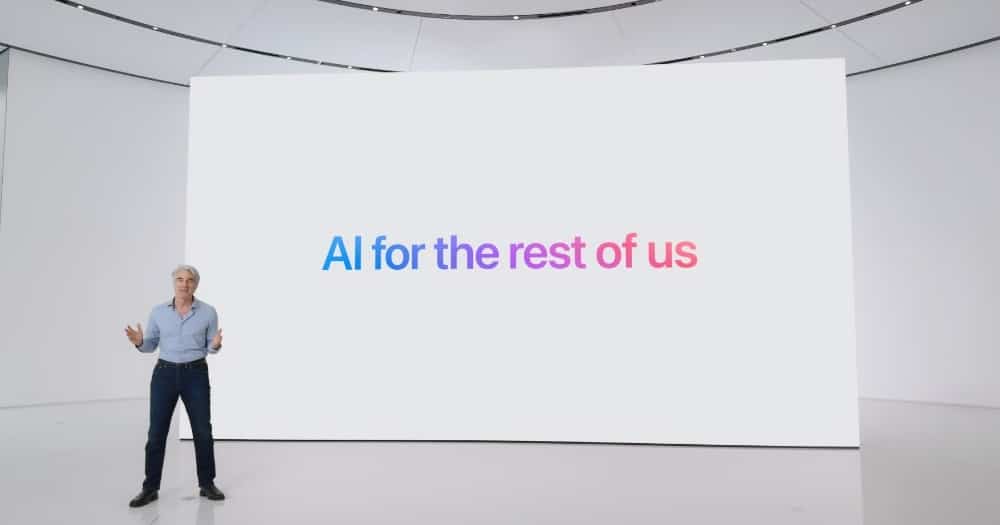
At its Worldwide Developers Conference, scheduled for June 8-12, 2026, Apple is putting a dramatically upgraded Siri at the center of its AI strategy, making privacy the headline feature.
What Apple is actually building
The new Siri runs on what Apple calls its “Apple Intelligence” platform, combining on-device processing with a “Private Cloud Compute” layer. When Siri routes requests to the cloud, Apple’s architecture is designed so that user data isn’t stored, isn’t logged, and isn’t used for advertising.
Apple’s broader privacy framework rests on four pillars: data minimization, on-device processing, transparency and control for users, and layered security protections. These pillars were introduced at WWDC21 and have shaped the company’s technology philosophy since.
Apple has also partnered with Google to integrate its Gemini AI model into Siri’s capabilities. The new Siri features will be available on iPhone 16, iPad mini models with the A17 Pro chip, and Macs running M1 or later processors.
Why this matters beyond the Apple ecosystem
Apple currently has no plans to incorporate cryptocurrencies or blockchain technologies directly into Siri. The concept of Private Cloud Compute has particular relevance for sectors that handle sensitive information: fintech, healthcare, and digital identity.
What this means for investors
The digital identity space is worth monitoring. Apple’s combination of on-device biometrics, AI processing, and privacy-preserving cloud compute positions it as a potential competitor to decentralized identity solutions such as Worldcoin and Polygon ID.
The Google partnership introduces a notable variable: integrating Gemini into Siri means Apple is acknowledging that its own AI models aren’t sufficient for all use cases, creating a dependency that could shift competitive dynamics between Apple, Google, and OpenAI.