
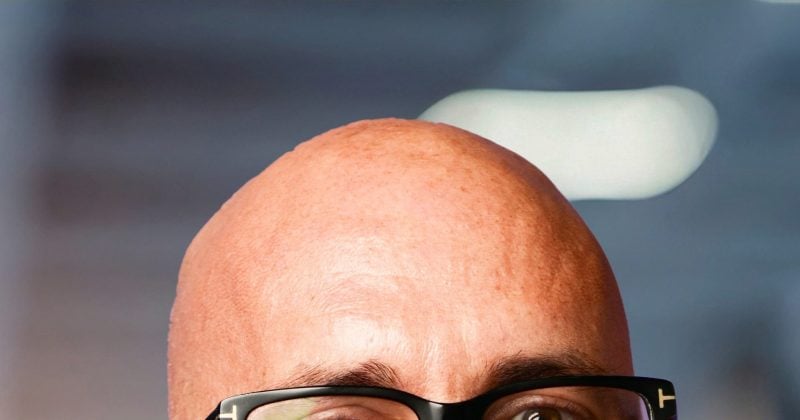
Carlos Domingo warns most tokenized stocks are unauthorized offshore paper with insider trading risks

Via salt.org

Carlos Domingo warns most tokenized stocks are unauthorized offshore paper with insider trading risks

The Securitize CEO says unregulated tokenized equities are a 'can of worms' ready to explode, with some tokens deviating up to 300% from actual stock prices

Carlos Domingo, CEO of Securitize, used a Wall Street Journal piece on July 15 to fire a shot across the bow of the tokenized stock market. His core argument is straightforward: most tokenized stocks floating around crypto exchanges are little more than unregulated synthetic wrappers with no proper backing, no issuer authorization, and zero compliance with insider-trading rules.

The 300% problem

Domingo didn’t mince words, calling the current state of unauthorized tokenized equities a “can of worms” that will eventually “explode.” Some unauthorized tokens that claim to track the performance of major corporations like Apple and Amazon have shown price deviations of up to 300% from the actual underlying equity values.

In many cases, there’s no relationship between the token issuer and the company whose shares are supposedly being represented. Nobody at Apple or Amazon signed off on these products. Nobody at those companies is ensuring accurate price feeds, proper custody of underlying assets, or compliance with securities regulations.

Advertisement

Securitize’s counter-pitch

Securitize became the first pure-play tokenization firm to list on the New York Stock Exchange when it completed a SPAC merger by July 2, 2026. The company now trades under the ticker SECZ and has even tokenized its own shares. The firm manages between $4B and $4.5B in tokenized assets as of July 2026. Its approach centers on what it calls “native, issuer-sponsored tokenization,” meaning the company whose equity is being tokenized is actually involved in the process.

Domingo testified before Congress in 2024, advocating for regulated tokenization pathways that would bring digital securities under existing legal frameworks rather than letting them exist in a gray zone.

The insider trading angle

When a company’s shares are tokenized without the issuer’s involvement or knowledge, insider-trading protections essentially vanish. Someone with inside knowledge of an upcoming earnings miss could trade an unauthorized tokenized version of a company’s stock on an offshore exchange with no SEC filing requirement, no compliance department monitoring trades, and no real audit trail.

Because these tokens trade on crypto exchanges that often operate outside US jurisdiction, the SEC can go after domestic actors, but chasing token issuers in obscure offshore jurisdictions is a different game entirely. This creates a two-tier market where the same company’s equity effectively has two prices: the regulated one on the NYSE or Nasdaq, and the unregulated one on a crypto exchange.

What this means for investors

For investors considering tokenized stock exposure, the critical question isn’t whether a token exists for a particular stock. It’s whether the issuing company authorized and participates in the tokenization. Without that, you’re holding a derivative product with unclear legal standing, no guaranteed price accuracy, and no regulatory recourse if things go sideways.

Domingo’s congressional testimony in 2024 and his July 15 public warnings suggest that pressure is building for clearer rules around tokenized securities. Securitize’s NYSE listing and its $4B-plus asset base give it a structural advantage if regulators crack down on unauthorized offerings.

Disclosure: This article was edited by Editorial Team. For more information on how we create and review content, see our Editorial Policy.

Carlos Domingo warns most tokenized stocks are unauthorized offshore paper with insider trading risks

Carlos Domingo warns most tokenized stocks are unauthorized offshore paper with insider trading risks

The Securitize CEO says unregulated tokenized equities are a 'can of worms' ready to explode, with some tokens deviating up to 300% from actual stock prices

Via salt.org

Carlos Domingo, CEO of Securitize, used a Wall Street Journal piece on July 15 to fire a shot across the bow of the tokenized stock market. His core argument is straightforward: most tokenized stocks floating around crypto exchanges are little more than unregulated synthetic wrappers with no proper backing, no issuer authorization, and zero compliance with insider-trading rules.

The 300% problem

Domingo didn’t mince words, calling the current state of unauthorized tokenized equities a “can of worms” that will eventually “explode.” Some unauthorized tokens that claim to track the performance of major corporations like Apple and Amazon have shown price deviations of up to 300% from the actual underlying equity values.

In many cases, there’s no relationship between the token issuer and the company whose shares are supposedly being represented. Nobody at Apple or Amazon signed off on these products. Nobody at those companies is ensuring accurate price feeds, proper custody of underlying assets, or compliance with securities regulations.

Advertisement

Securitize’s counter-pitch

Securitize became the first pure-play tokenization firm to list on the New York Stock Exchange when it completed a SPAC merger by July 2, 2026. The company now trades under the ticker SECZ and has even tokenized its own shares. The firm manages between $4B and $4.5B in tokenized assets as of July 2026. Its approach centers on what it calls “native, issuer-sponsored tokenization,” meaning the company whose equity is being tokenized is actually involved in the process.

Domingo testified before Congress in 2024, advocating for regulated tokenization pathways that would bring digital securities under existing legal frameworks rather than letting them exist in a gray zone.

The insider trading angle

When a company’s shares are tokenized without the issuer’s involvement or knowledge, insider-trading protections essentially vanish. Someone with inside knowledge of an upcoming earnings miss could trade an unauthorized tokenized version of a company’s stock on an offshore exchange with no SEC filing requirement, no compliance department monitoring trades, and no real audit trail.

Because these tokens trade on crypto exchanges that often operate outside US jurisdiction, the SEC can go after domestic actors, but chasing token issuers in obscure offshore jurisdictions is a different game entirely. This creates a two-tier market where the same company’s equity effectively has two prices: the regulated one on the NYSE or Nasdaq, and the unregulated one on a crypto exchange.

What this means for investors

For investors considering tokenized stock exposure, the critical question isn’t whether a token exists for a particular stock. It’s whether the issuing company authorized and participates in the tokenization. Without that, you’re holding a derivative product with unclear legal standing, no guaranteed price accuracy, and no regulatory recourse if things go sideways.

Domingo’s congressional testimony in 2024 and his July 15 public warnings suggest that pressure is building for clearer rules around tokenized securities. Securitize’s NYSE listing and its $4B-plus asset base give it a structural advantage if regulators crack down on unauthorized offerings.

Disclosure: This article was edited by Editorial Team. For more information on how we create and review content, see our Editorial Policy.