
FIFA World Cup Final goes crypto-native with Avalanche blockchain ticketing at MetLife Stadium

FIFA World Cup Final goes crypto-native with Avalanche blockchain ticketing at MetLife Stadium

The biggest match in soccer history doubles as a landmark moment for blockchain ticketing, with over $25 million in secondary market transactions processed through FIFA Collect.

The 2026 FIFA World Cup Final between Spain and Argentina kicks off July 19 at MetLife Stadium in East Rutherford, New Jersey. But the real story for the crypto world isn’t happening on the pitch. It’s happening in the ticketing infrastructure underneath it.

FIFA’s blockchain-based ticketing platform, FIFA Collect, built on Avalanche, has processed over $25 million in secondary market transactions as of mid-July. More than 100,000 Right-to-Buy tokens have been issued for the tournament, and demand for the final has pushed secondary ticket prices as high as $10,000.

Blockchain meets the beautiful game

The federation deployed its ticketing system on Avalanche’s blockchain, issuing Right-to-Buy tokens that give holders the ability to purchase tickets at face value. Think of it like a digital queue ticket that’s verifiable, tradeable, and impossible to counterfeit. In English: instead of fighting bots on Ticketmaster, fans received blockchain-verified tokens that guaranteed their spot in line.

Advertisement

MetLife gets a makeover

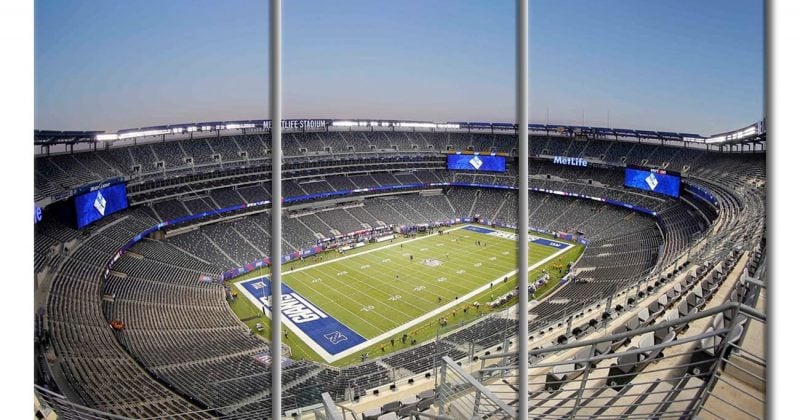
The stadium itself has undergone significant upgrades to host the final. MetLife Stadium installed a state-of-the-art natural grass pitch, replacing its usual synthetic turf surface, along with enhanced security measures and improved fan infrastructure designed to handle the massive international crowd descending on the New York metro area.

FIFA is even monetizing the grass. Pieces of the final match pitch will be sold as souvenirs, priced between $450 and $3,000.

The crypto industry’s footprint at the tournament extends beyond ticketing. Kraken was named the Official Crypto Exchange Supporter of the 2026 FIFA World Cup in June 2026.

What this means for crypto investors

The speculative side of crypto has also taken notice. An unofficial memecoin tied to the final, trading under the ticker $FINAL, has reportedly generated trading activity around the event. Traders chasing event-driven memecoin pumps should approach with the usual caution, which is to say, don’t bet the rent.

Blockchain-based ticketing solves real problems: fraud prevention, transparent secondary markets, and verifiable ownership. The $25 million in secondary volume proves there’s genuine demand for these solutions when applied to events people actually care about.

Disclosure: This article was edited by Editorial Team. For more information on how we create and review content, see our Editorial Policy.

FIFA World Cup Final goes crypto-native with Avalanche blockchain ticketing at MetLife Stadium

FIFA World Cup Final goes crypto-native with Avalanche blockchain ticketing at MetLife Stadium

The biggest match in soccer history doubles as a landmark moment for blockchain ticketing, with over $25 million in secondary market transactions processed through FIFA Collect.

The 2026 FIFA World Cup Final between Spain and Argentina kicks off July 19 at MetLife Stadium in East Rutherford, New Jersey. But the real story for the crypto world isn’t happening on the pitch. It’s happening in the ticketing infrastructure underneath it.

FIFA’s blockchain-based ticketing platform, FIFA Collect, built on Avalanche, has processed over $25 million in secondary market transactions as of mid-July. More than 100,000 Right-to-Buy tokens have been issued for the tournament, and demand for the final has pushed secondary ticket prices as high as $10,000.

Blockchain meets the beautiful game

The federation deployed its ticketing system on Avalanche’s blockchain, issuing Right-to-Buy tokens that give holders the ability to purchase tickets at face value. Think of it like a digital queue ticket that’s verifiable, tradeable, and impossible to counterfeit. In English: instead of fighting bots on Ticketmaster, fans received blockchain-verified tokens that guaranteed their spot in line.

Advertisement

MetLife gets a makeover

The stadium itself has undergone significant upgrades to host the final. MetLife Stadium installed a state-of-the-art natural grass pitch, replacing its usual synthetic turf surface, along with enhanced security measures and improved fan infrastructure designed to handle the massive international crowd descending on the New York metro area.

FIFA is even monetizing the grass. Pieces of the final match pitch will be sold as souvenirs, priced between $450 and $3,000.

The crypto industry’s footprint at the tournament extends beyond ticketing. Kraken was named the Official Crypto Exchange Supporter of the 2026 FIFA World Cup in June 2026.

What this means for crypto investors

The speculative side of crypto has also taken notice. An unofficial memecoin tied to the final, trading under the ticker $FINAL, has reportedly generated trading activity around the event. Traders chasing event-driven memecoin pumps should approach with the usual caution, which is to say, don’t bet the rent.

Blockchain-based ticketing solves real problems: fraud prevention, transparent secondary markets, and verifiable ownership. The $25 million in secondary volume proves there’s genuine demand for these solutions when applied to events people actually care about.

Disclosure: This article was edited by Editorial Team. For more information on how we create and review content, see our Editorial Policy.