The AI-powered dispute system puts juries of different language models in charge of settling contract fights between agents and humans
GenLayer’s Internet Court, a dispute-resolution system that hands verdicts to juries of AI models, is set to launch on mainnet next month.
How an AI jury actually works
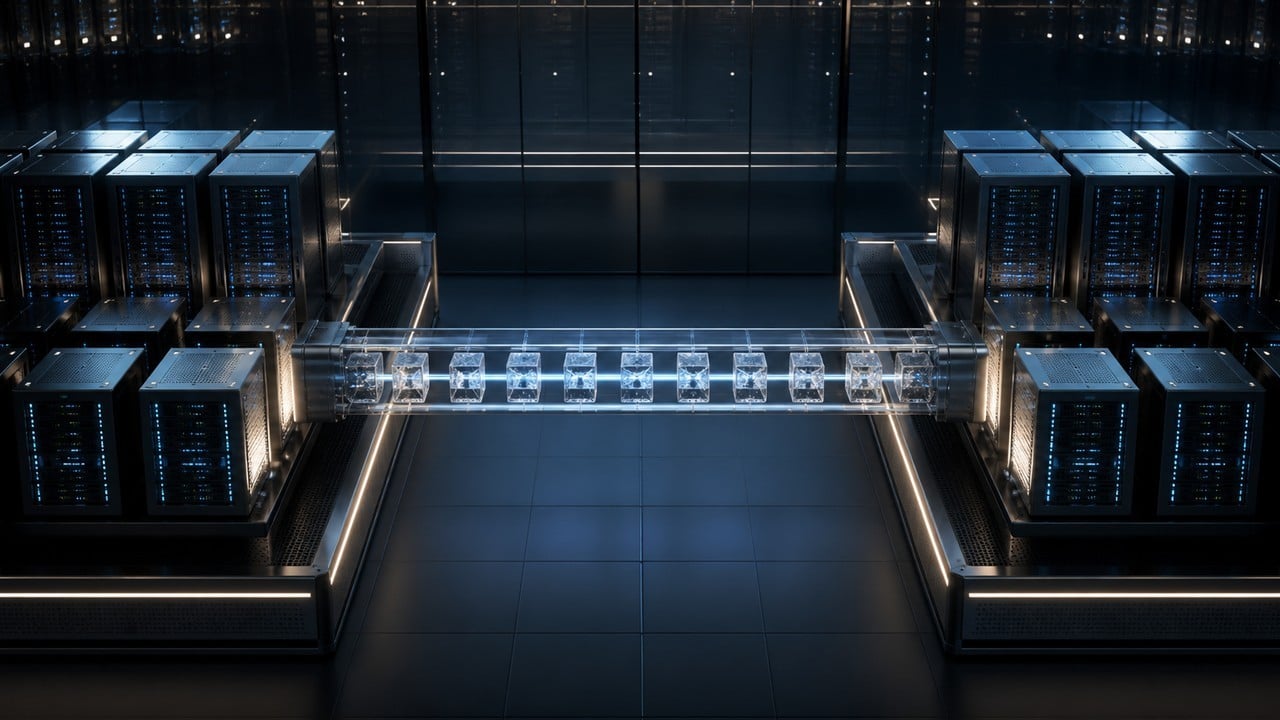
When a dispute lands in the Internet Court, its details are sent to a randomly selected jury of five GenLayer validators. Each of those validators runs a different AI model.
That diversity is the whole point. The design deliberately mixes models with different leanings so no single model’s quirks decide the outcome.
If a ruling gets contested, the panel can grow. According to the research findings, the jury can scale from five validators all the way up to as many as 1,500 during escalation.
GenLayer calls this consensus mechanism “Optimistic Democracy.” The system assumes the first answer is fine unless someone pushes back, and then it brings in a much bigger crowd to check the work.
The contracts themselves are also unusual. GenLayer builds what it calls “Intelligent Contracts,” which can process natural language, pull in web data, and make subjective calls.
Standard smart contracts are deterministic. They do exactly what the code says, every time, which is great for moving tokens and terrible for deciding whether a delivery was “satisfactory.”
Intelligent Contracts run inside a custom environment called GenVM, built to support large language model functions.
The numbers from testnet
The Internet Court is currently in beta on GenLayer’s Bradbury testnet. The research findings put its throughput at 12,000 to over 25,000 adjudicated decisions daily.
The testnet is also handling roughly 300,000 transactions per day. About 70 professional validators are active, with the architecture designed to scale up to 1,500.
The project also has a token in the works. The GEN token has a planned genesis supply of approximately 4.2 billion and is set to be used for staking, gas fees, and governance.
Validators are the jurors, so the token is effectively the price of a seat in the jury box.
Background: from YeagerAI to a consortium
GenLayer started life as YeagerAI in 2024. Its testnets have been named after well-known science fiction authors.
The project has gathered a consortium of between 27 and 35 entities, according to the research findings. Named partners include OKX, ConsenSys/MetaMask, and ZKsync.
The group’s stated goal is an open Internet Court standard for agentic commerce. That covers more than contract formation, extending to payments and identity management too.
The timeline has slipped before. Mainnet was targeted for October 2026 but had not happened as of November 2, 2026, and the launch is now expected in Q4 2026.
What this means for the agentic economy
The case for GenLayer rests on a specific future: one where AI agents negotiate, sign, and settle deals with each other and with humans, mostly without supervision.
The consortium is the most meaningful signal so far. Having an exchange like OKX, a wallet giant like MetaMask’s parent, and a layer-2 network like ZKsync involved suggests interest in a shared adjudication layer, rather than every platform building its own.
The second is security. Any system where verdicts move money invites attempts to game the jury, whether by manipulating inputs or by concentrating validator stake.
A pool of 1,500 validators running varied models is much harder to capture than a pool of 70.