
Global smartphone shipments fall 20% in Q3 as AI drives chip shortages

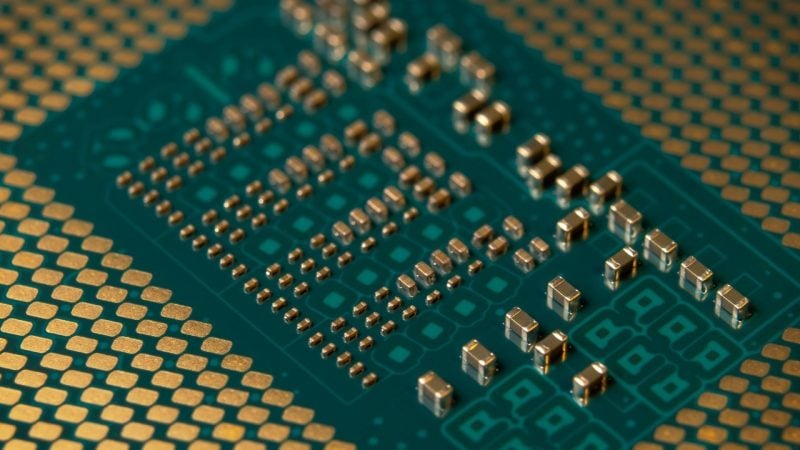
Photo: ed br / Pexels

Global smartphone shipments fall 20% in Q3 as AI drives chip shortages

Counterpoint data shows the weakest third quarter since 2012 as AI data centers pull memory supply away from phone makers

The smartphone industry just had its worst third quarter in more than a decade. Global shipments fell 20% year-over-year in Q3 2026, according to preliminary data Counterpoint Research released on October 12, 2026.

That marks the lowest third-quarter total since 2012.

The culprit is not weak demand for phones so much as overwhelming demand for something else. AI data centers are consuming memory chip production capacity, and smartphone makers are paying the price.

Who got hit, and how hard

Xiaomi took the biggest hit among the major players, with shipments dropping by over 30%. Its market share slid to 10%.

Advertisement

OPPO and vivo did not fare much better. Both brands posted year-over-year shipment declines of more than 20%.

Samsung held onto the top spot with a 23% market share. Its shipments slipped 3%.

Apple reached a record 22% market share for a third quarter, the first time it has cleared 20% in this particular quarter.

Apple got there largely by leaning into premium device sales. When the whole market shrinks and your customers are the least price-sensitive buyers in the room, your slice of the pie grows even if the pie itself is getting smaller.

Phones were not alone in their misery. IDC data shows PC shipments fell 20.1% in Q3 2026.

The AI memory squeeze

The buildout of AI infrastructure has diverted memory production capacity toward data center customers. That shift has created supply constraints across the consumer electronics market, resulting in higher costs at every step. Manufacturers pay more for components, which pushes up production costs and, eventually, retail prices.

Manufacturers are responding by streamlining their portfolios and steering toward premium offerings. Fewer models, higher price tags, and less exposure to the thin-margin segment where component inflation hurts most.

Consumers are keeping their phones longer

Counterpoint analyst Shilpi Jain has pointed to consumers holding onto their devices for longer periods. Those who do upgrade are increasingly turning to refurbished phones or higher-value models.

What this means for the industry

The memory shortage is anticipated to persist into 2027. Full-year 2026 global smartphone shipments are forecast to decline approximately 14%.

Disclosure: This article was edited by Diego Almada Lopez. For more information on how we create and review content, see our Editorial Policy.
Global smartphone shipments fall 20% in Q3 as AI drives chip shortages

Counterpoint data shows the weakest third quarter since 2012 as AI data centers pull memory supply away from phone makers

Photo: ed br / Pexels

The smartphone industry just had its worst third quarter in more than a decade. Global shipments fell 20% year-over-year in Q3 2026, according to preliminary data Counterpoint Research released on October 12, 2026.

That marks the lowest third-quarter total since 2012.

The culprit is not weak demand for phones so much as overwhelming demand for something else. AI data centers are consuming memory chip production capacity, and smartphone makers are paying the price.

Who got hit, and how hard

Xiaomi took the biggest hit among the major players, with shipments dropping by over 30%. Its market share slid to 10%.

Advertisement

OPPO and vivo did not fare much better. Both brands posted year-over-year shipment declines of more than 20%.

Samsung held onto the top spot with a 23% market share. Its shipments slipped 3%.

Apple reached a record 22% market share for a third quarter, the first time it has cleared 20% in this particular quarter.

Apple got there largely by leaning into premium device sales. When the whole market shrinks and your customers are the least price-sensitive buyers in the room, your slice of the pie grows even if the pie itself is getting smaller.

Phones were not alone in their misery. IDC data shows PC shipments fell 20.1% in Q3 2026.

The AI memory squeeze

The buildout of AI infrastructure has diverted memory production capacity toward data center customers. That shift has created supply constraints across the consumer electronics market, resulting in higher costs at every step. Manufacturers pay more for components, which pushes up production costs and, eventually, retail prices.

Manufacturers are responding by streamlining their portfolios and steering toward premium offerings. Fewer models, higher price tags, and less exposure to the thin-margin segment where component inflation hurts most.

Consumers are keeping their phones longer

Counterpoint analyst Shilpi Jain has pointed to consumers holding onto their devices for longer periods. Those who do upgrade are increasingly turning to refurbished phones or higher-value models.

What this means for the industry

The memory shortage is anticipated to persist into 2027. Full-year 2026 global smartphone shipments are forecast to decline approximately 14%.

Disclosure: This article was edited by Diego Almada Lopez. For more information on how we create and review content, see our Editorial Policy.