
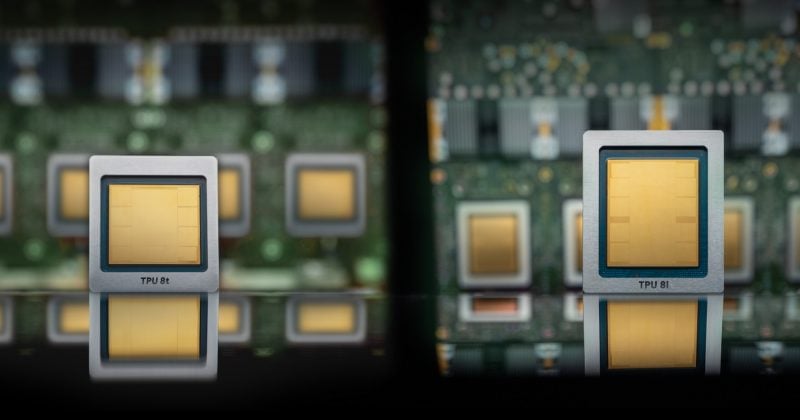
Google challenges Nvidia with TPU sales to Meta, Anthropic

https://cloud.google.com/resources/tpu-interest?hl=fr

Google challenges Nvidia with TPU sales to Meta, Anthropic

Second largest company by July

Alphabet Inc., the parent company of Google, is reportedly making strategic efforts to sell its Tensor Processing Units (TPUs) to Nvidia’s key customer base, according to a recent report. This move is seen as a significant shift in Google’s approach, as it previously restricted TPU access to its own facilities. The new strategy involves offering these TPUs, which are claimed to be significantly more cost-effective and efficient than Nvidia’s offerings, to external customers. Notably, Google has secured major agreements with Meta and Anthropic for large-scale TPU deployments, suggesting a direct challenge to Nvidia’s dominance in the AI chip market.

Advertisement

Key Takeaways

  • Google’s initiative to sell TPUs appears to be a direct challenge to Nvidia’s market position, potentially affecting Nvidia’s customer loyalty.
  • The market reaction has shown a decrease in Nvidia’s stock, suggesting concerns about competitive threats from Google’s TPU strategy.
  • Pricing indicates a moderate increase in the likelihood of Alphabet boosting its position in the AI market, with implications for its market capitalization.

What to Watch

Markets will closely monitor Alphabet’s upcoming financial disclosures, particularly focusing on AI-related revenue growth. Any indications of significant uptake of Google’s TPUs by Nvidia’s customers could further impact Nvidia’s market position. Additionally, updates regarding Alphabet’s deals with Meta and Anthropic could provide further insights into the competitive landscape and influence investor sentiment regarding Alphabet’s potential to become the second-largest company by market cap.

Get live prediction-market analysis, powered by Vera. Sign up for Vera.

Disclosure: This article was edited by Estefano Gomez. For more information on how we create and review content, see our Editorial Policy.

Google challenges Nvidia with TPU sales to Meta, Anthropic

Google challenges Nvidia with TPU sales to Meta, Anthropic

Second largest company by July

https://cloud.google.com/resources/tpu-interest?hl=fr

Alphabet Inc., the parent company of Google, is reportedly making strategic efforts to sell its Tensor Processing Units (TPUs) to Nvidia’s key customer base, according to a recent report. This move is seen as a significant shift in Google’s approach, as it previously restricted TPU access to its own facilities. The new strategy involves offering these TPUs, which are claimed to be significantly more cost-effective and efficient than Nvidia’s offerings, to external customers. Notably, Google has secured major agreements with Meta and Anthropic for large-scale TPU deployments, suggesting a direct challenge to Nvidia’s dominance in the AI chip market.

Advertisement

Key Takeaways

  • Google’s initiative to sell TPUs appears to be a direct challenge to Nvidia’s market position, potentially affecting Nvidia’s customer loyalty.
  • The market reaction has shown a decrease in Nvidia’s stock, suggesting concerns about competitive threats from Google’s TPU strategy.
  • Pricing indicates a moderate increase in the likelihood of Alphabet boosting its position in the AI market, with implications for its market capitalization.

What to Watch

Markets will closely monitor Alphabet’s upcoming financial disclosures, particularly focusing on AI-related revenue growth. Any indications of significant uptake of Google’s TPUs by Nvidia’s customers could further impact Nvidia’s market position. Additionally, updates regarding Alphabet’s deals with Meta and Anthropic could provide further insights into the competitive landscape and influence investor sentiment regarding Alphabet’s potential to become the second-largest company by market cap.

Get live prediction-market analysis, powered by Vera. Sign up for Vera.

Disclosure: This article was edited by Estefano Gomez. For more information on how we create and review content, see our Editorial Policy.