
Google kills Assistant on Android starting September 4, completing its Gemini bet

Via androidauthority.com

Google kills Assistant on Android starting September 4, completing its Gemini bet

The decade-old voice assistant is being permanently replaced by Gemini across phones, tablets, and wearables in a multi-week rollout.

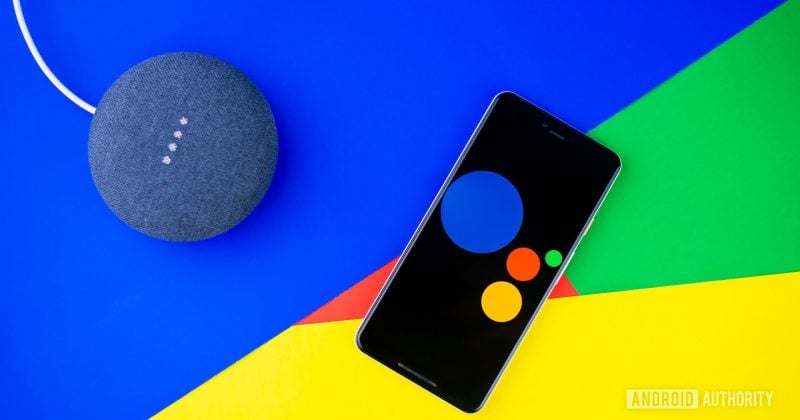
Google Assistant, the voice-activated helper that has lived on Android devices since 2016, is getting the axe. Starting September 4, Google will begin removing Assistant from Android phones, tablets, Wear OS smartwatches, headphones, and Android Auto, replacing it entirely with Gemini.

The transition will roll out over several weeks. Once it hits your device, Assistant is gone for good.

Advertisement

A decade-long run comes to an end

Google originally planned to wrap up this migration by the end of 2025. That deadline quietly slipped to 2026, presumably to give the company more time to ensure Gemini could actually handle all the tasks Assistant users rely on daily.

The announcement reportedly came via email to some users, first surfaced by 9to5Google and later shared on Reddit. Some legacy or specialized hardware will apparently retain Assistant functionality even after September, but for the vast majority of the Android ecosystem, this is a one-way door.

What this means for the broader landscape

Google’s decision to delay the transition from its original end-of-2025 target to September 2026 is quietly revealing. It suggests that even with Google’s resources, replacing a deeply embedded product across billions of devices is genuinely difficult. Gemini needed more time to reach feature parity with the Assistant functions that people actually use every day.

The rollout also highlights a trend that has implications for blockchain-based identity and data ownership projects. When Google flips the switch, users don’t get a choice. Your Assistant data, routines, and integrations either migrate to Gemini’s framework or they disappear. There’s no opt-out, no portable format, no interoperability standard.

Disclosure: This article was edited by Editorial Team. For more information on how we create and review content, see our Editorial Policy.

Google kills Assistant on Android starting September 4, completing its Gemini bet

Google kills Assistant on Android starting September 4, completing its Gemini bet

The decade-old voice assistant is being permanently replaced by Gemini across phones, tablets, and wearables in a multi-week rollout.

Via androidauthority.com

Google Assistant, the voice-activated helper that has lived on Android devices since 2016, is getting the axe. Starting September 4, Google will begin removing Assistant from Android phones, tablets, Wear OS smartwatches, headphones, and Android Auto, replacing it entirely with Gemini.

The transition will roll out over several weeks. Once it hits your device, Assistant is gone for good.

Advertisement

A decade-long run comes to an end

Google originally planned to wrap up this migration by the end of 2025. That deadline quietly slipped to 2026, presumably to give the company more time to ensure Gemini could actually handle all the tasks Assistant users rely on daily.

The announcement reportedly came via email to some users, first surfaced by 9to5Google and later shared on Reddit. Some legacy or specialized hardware will apparently retain Assistant functionality even after September, but for the vast majority of the Android ecosystem, this is a one-way door.

What this means for the broader landscape

Google’s decision to delay the transition from its original end-of-2025 target to September 2026 is quietly revealing. It suggests that even with Google’s resources, replacing a deeply embedded product across billions of devices is genuinely difficult. Gemini needed more time to reach feature parity with the Assistant functions that people actually use every day.

The rollout also highlights a trend that has implications for blockchain-based identity and data ownership projects. When Google flips the switch, users don’t get a choice. Your Assistant data, routines, and integrations either migrate to Gemini’s framework or they disappear. There’s no opt-out, no portable format, no interoperability standard.

Disclosure: This article was edited by Editorial Team. For more information on how we create and review content, see our Editorial Policy.