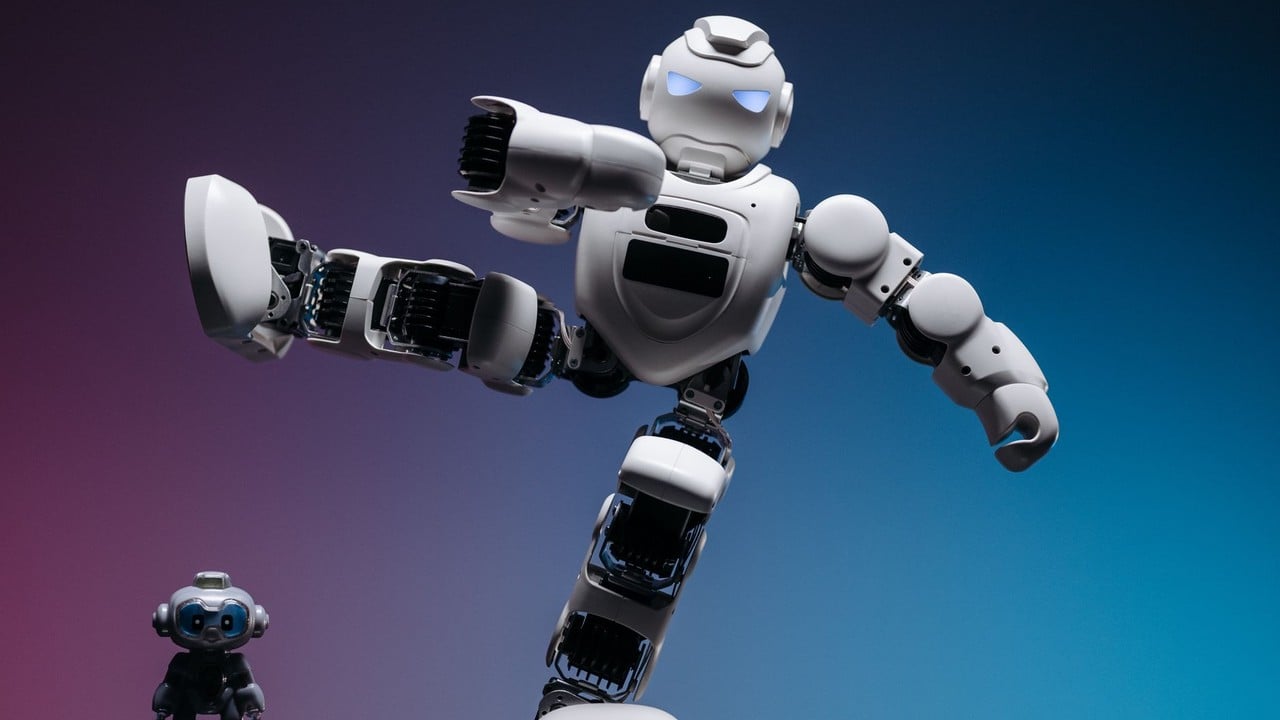
GPT-6.2 Astra tops AA-Robotics v0.1 while using the fewest arm commands
Photo: Pavel Danilyuk / Pexels
OpenAI's newest model scored 79 on Artificial Analysis's physical robotics benchmark, edging out its cheaper sibling and Claude Fable 5.2
OpenAI’s GPT-6.2 Astra has claimed first place on AA-Robotics v0.1, a benchmark that tests whether language models can operate a real robot arm. Astra posted an average score of 79 out of 100, the highest in the evaluation.
It also did it with less fuss than anyone else. Astra used the fewest arm commands of any model tested, which suggests it is getting better at planning before it starts moving.
The scoreboard
AA-Robotics v0.1 comes from Artificial Analysis, which launched the benchmark on October 14, 2026. It puts frontier language models in charge of a 6-axis Hiwonder NexArm robot arm.
The models do not control the arm by feel. They act as coding agents, writing instructions that the hardware then carries out.
The tasks include pouring drinks and stacking blocks. Both demand spatial awareness and problem-solving, two areas where text-trained models have historically been shaky.
Astra finished six of the eight tasks in the evaluation. Its 79 average put it just ahead of GPT-6.2 Sol, OpenAI’s more affordable variant, which scored 78. Claude Fable 5.2 came in at 75.
Efficiency is the real headline
Astra issued 668 arm commands in total across its six completed tasks. On the box-cleanup task alone, it needed only 92 commands. That figure is approximately 75% fewer than Claude Fable 5.2 required.
AI, tech, and the markets they move—in one daily briefing.
Daily. Free. Join 34,000+ readers across crypto, finance, and policy.
Every command sent to a physical arm is a chance for something to go wrong. Fewer commands generally means less trial and error, less wasted motion, and less wear on hardware.
Still slower than a person with a coffee mug
The models still take about 30 minutes per task. A human handles comparable tasks in around 20 seconds.
Cost is another constraint. Running the models on these tasks costs between $2 and $16 per task, depending on the model and the job.
Background: the GPT-6.2 launch
OpenAI released GPT-6.2 Astra on November 17, 2026. It shipped alongside GPT-6.2 Sol, positioned as the lower-cost option.
Astra’s API pricing is approximately 20% lower than its predecessor’s.
The robotics result lands about a month after Artificial Analysis introduced the benchmark. That timing means Astra arrived to a leaderboard that was still freshly painted, with Claude Fable 5.2 among the models already evaluated.
What this means
The tight finish between Astra and Sol also deserves attention. If the cheaper model lands within one point of the flagship on physical tasks, developers building robotics prototypes may reasonably ask whether the premium tier is worth it.
The gaps that remain are equally instructive. A 30-minute task time against a 20-second human baseline shows how far general-purpose models are from practical deployment. Per-task costs of $2 to $16 add another hurdle for any business doing the math on automation.
The label on the benchmark matters too. This is version 0.1.
Disclosure: This article was edited by Diego Almada Lopez. For more information on how we create and review content, see our Editorial Policy.

