
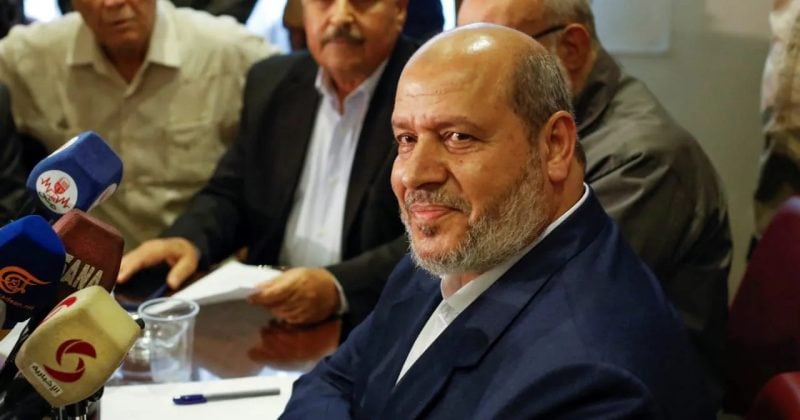
Hamas elects Khalil al-Hayya as new leader, cementing Iran alliance

Hamas elects Khalil al-Hayya as new leader, cementing Iran alliance

Al-Hayya's rise over rival Khaled Mashal signals Hamas is doubling down on Tehran as its primary strategic partner

On July 20, 2026, Hamas elected Khalil al-Hayya as chairman of its political bureau, completing an internal run-off against longtime rival Khaled Mashal. The vote, held within the organization’s General Shura Council, puts a committed Iran ally at the top of one of the Middle East’s most consequential militant-political organizations.

Who is Khalil al-Hayya

Al-Hayya is Gaza-born, which already sets him apart from much of Hamas’s diaspora leadership that has operated from Qatar, Turkey, and other regional capitals for years.

He has served as deputy chairman of Hamas’s Gaza politburo since 2017, giving him deep institutional roots inside the territory itself rather than in the more diplomatically comfortable exile corridors where Mashal built his reputation.

Advertisement

His resume includes a seat at the table during ceasefire negotiations in both the 2014 and 2023 Gaza conflicts. That kind of direct negotiating experience matters. It means al-Hayya understands the military-political interface inside Hamas from the inside, not from a safe distance.

In May 2026, he was appointed Hamas leader in Gaza specifically, a role that served as a precursor to the broader political bureau chairmanship he now holds.

What the Iran angle actually means

Al-Hayya’s relationship with Iranian leadership is the headline within the headline here.

Iran has long been a primary financial and military supplier to Hamas, providing weapons, training, and strategic backing. His history includes direct cultivation of relationships with Iranian officials, and Tehran’s preference for his leadership was not subtle. Iran’s core interest is maintaining what it describes as military-to-military coordination with Hamas, essentially ensuring that Gaza remains a pressure point on Israel’s southern front as part of its broader regional strategy.

The contrast with Khaled Mashal is instructive. Mashal, who previously chaired the political bureau and spent years operating from Qatar, represents a more diplomatically oriented faction within Hamas, one that has historically been more open to back-channel negotiations with Western-adjacent interlocutors. Al-Hayya’s victory over Mashal in the run-off is not a narrow procedural outcome. It is a statement about which external patron Hamas’s internal majority currently trusts most.

Disclosure: This article was edited by Editorial Team. For more information on how we create and review content, see our Editorial Policy.

Hamas elects Khalil al-Hayya as new leader, cementing Iran alliance

Hamas elects Khalil al-Hayya as new leader, cementing Iran alliance

Al-Hayya's rise over rival Khaled Mashal signals Hamas is doubling down on Tehran as its primary strategic partner

On July 20, 2026, Hamas elected Khalil al-Hayya as chairman of its political bureau, completing an internal run-off against longtime rival Khaled Mashal. The vote, held within the organization’s General Shura Council, puts a committed Iran ally at the top of one of the Middle East’s most consequential militant-political organizations.

Who is Khalil al-Hayya

Al-Hayya is Gaza-born, which already sets him apart from much of Hamas’s diaspora leadership that has operated from Qatar, Turkey, and other regional capitals for years.

He has served as deputy chairman of Hamas’s Gaza politburo since 2017, giving him deep institutional roots inside the territory itself rather than in the more diplomatically comfortable exile corridors where Mashal built his reputation.

Advertisement

His resume includes a seat at the table during ceasefire negotiations in both the 2014 and 2023 Gaza conflicts. That kind of direct negotiating experience matters. It means al-Hayya understands the military-political interface inside Hamas from the inside, not from a safe distance.

In May 2026, he was appointed Hamas leader in Gaza specifically, a role that served as a precursor to the broader political bureau chairmanship he now holds.

What the Iran angle actually means

Al-Hayya’s relationship with Iranian leadership is the headline within the headline here.

Iran has long been a primary financial and military supplier to Hamas, providing weapons, training, and strategic backing. His history includes direct cultivation of relationships with Iranian officials, and Tehran’s preference for his leadership was not subtle. Iran’s core interest is maintaining what it describes as military-to-military coordination with Hamas, essentially ensuring that Gaza remains a pressure point on Israel’s southern front as part of its broader regional strategy.

The contrast with Khaled Mashal is instructive. Mashal, who previously chaired the political bureau and spent years operating from Qatar, represents a more diplomatically oriented faction within Hamas, one that has historically been more open to back-channel negotiations with Western-adjacent interlocutors. Al-Hayya’s victory over Mashal in the run-off is not a narrow procedural outcome. It is a statement about which external patron Hamas’s internal majority currently trusts most.

Disclosure: This article was edited by Editorial Team. For more information on how we create and review content, see our Editorial Policy.