
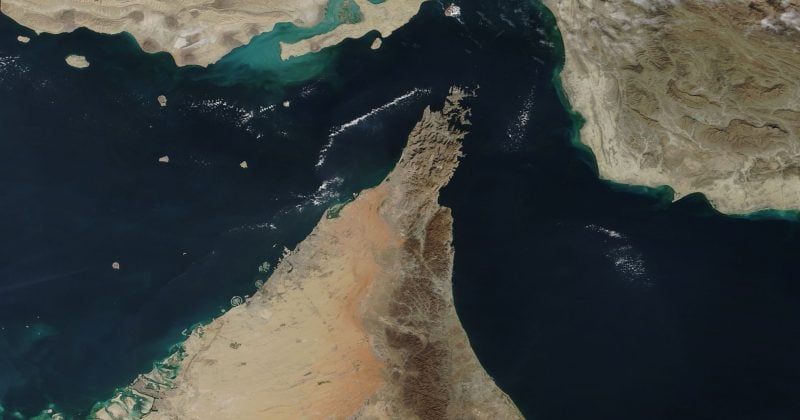
https://en.wikipedia.org/wiki/Strait_of_Hormuz
Hormuz agreement mandates ship coordination with Iran on Omani side
US-Iran Hormuz agreement
A report from the Jerusalem Post reveals that a new Hormuz agreement mandates ships to coordinate with Iran even when they are on the Omani side of the Strait of Hormuz. This development introduces significant information that could affect ongoing negotiations between the U.S. and Iran regarding maritime traffic through this strategic waterway. The requirement for coordination may indicate a shift towards greater diplomatic engagement, possibly facilitating a broader agreement. The current pricing on prediction markets suggests that participants view this as supportive of a U.S.-Iran agreement by the upcoming deadlines.
In the US-Iran Hormuz Agreement market, odds for a deal by August 15 have risen to 60.5% from 46% a day earlier. Similarly, the August 31 sub-market shows a significant increase, with odds now at 72.5% from 54% over the same period. These movements suggest that the latest report is perceived as a positive indicator for reaching an agreement. The involvement of key actors such as U.S. President Donald Trump and Iran’s Foreign Minister Abbas Araghchi will be crucial in the coming days as negotiations continue.
Market activity indicates that the latest developments are seen as reducing the likelihood of conflict or escalation in the region. The suggested coordination with Iran on the Omani side of the strait might ease tensions and promote stability, thereby increasing the likelihood of a formal agreement being reached.
Key Takeaways
- The report on the Hormuz agreement appears to support scenarios where a U.S.-Iran agreement is reached by the deadline.
- Market odds for the US-Iran Hormuz Agreement by August 15 have increased significantly, reflecting new information.
- Coordination requirements may indicate diplomatic progress, consistent with a rise in YES outcomes in prediction markets.
What to Watch
Observers should monitor statements from key governmental actors, including Donald Trump and Abbas Araghchi, as these could influence market perceptions. Developments such as a joint U.S.-Iran statement or confirmation of eased shipping restrictions would be consistent with a YES outcome. Conversely, any reports of failed negotiations or renewed threats in the region could alter current market pricing. The next ten days will be critical as markets assess the likelihood of an agreement by August 15, with particular attention to any mediatory efforts or formal announcements.