
https://en.wikipedia.org/wiki/Strait_of_Hormuz
Iran and Oman agree on Strait of Hormuz shipping route characteristics
US charges Hormuz fees
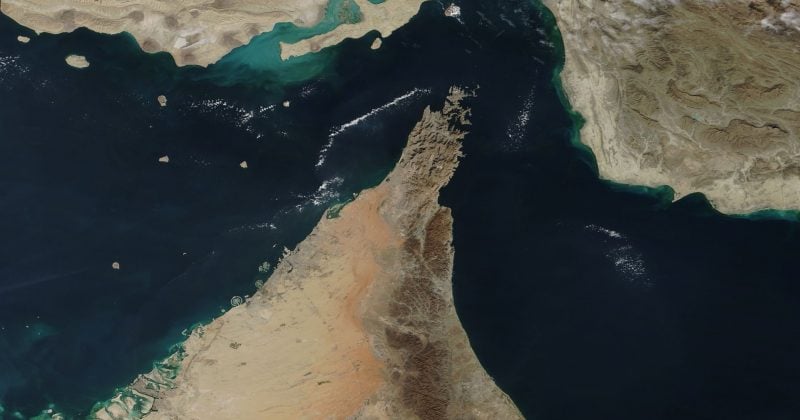
Iran’s Foreign Ministry has announced that Iran and Oman have reached an agreement on the geographic characteristics of a shipping route through the strategic Strait of Hormuz. This development is part of ongoing discussions between the two nations aimed at managing navigation in one of the world’s most critical maritime chokepoints. The Strait of Hormuz is a vital passage for global energy shipments, and any agreement over its management is closely monitored by international stakeholders. While the agreement marks a technical advancement, it does not yet represent a comprehensive political settlement. Current market pricing suggests that this cooperative gesture could decrease tensions in the region, potentially impacting related geopolitical markets.
Key Takeaways
- The agreement between Iran and Oman appears to suggest a cooperative approach to managing the Strait of Hormuz, which may reduce regional tensions.
- Market pricing implies a lower likelihood of the U.S. imposing fees in the Strait, as indicated by the slight decrease in odds for the U.S. charging Hormuz fees by August 31, 2026.
- The diplomatic progress is seen as a technical step forward, yet significant political agreements remain unresolved.
What to Watch
Observers should monitor any further announcements from Iran and Oman regarding a comprehensive political agreement on the management of the Strait. Additionally, statements from U.S. officials, including President Trump and Secretary of State Marco Rubio, could influence market pricing if they indicate a shift in U.S. policy regarding Hormuz transit fees. Changes in pricing could also occur if new geopolitical developments affect regional stability or shipping security in this critical area.