
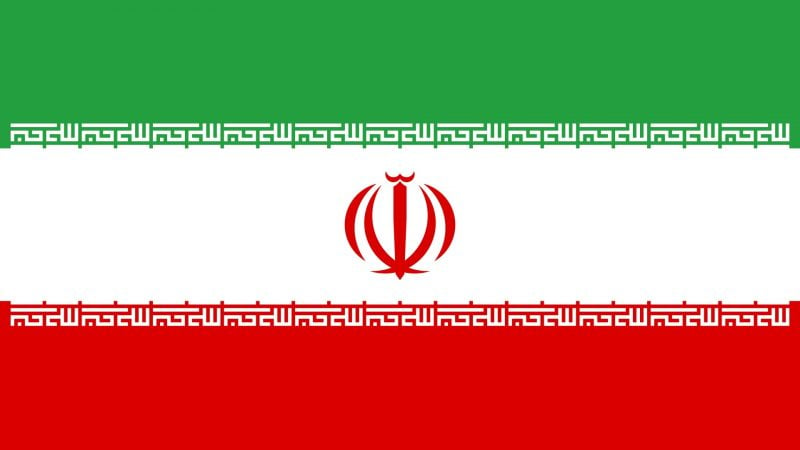
Iran downed at least 2 unmanned American aircraft in recent days, US officials say

CryptoBriefing

Iran downed at least 2 unmanned American aircraft in recent days, US officials say

Iran full airspace closure

Iran has reportedly downed at least two unmanned American aircraft in recent days, according to statements from U.S. officials. This development comes amid heightened tensions in the Persian Gulf region, where military exchanges between Iran and the United States have been frequent. The incidents highlight escalating military engagements, as Iran’s actions involve direct attacks on U.S. military assets. The downing of these aircraft is part of a broader pattern of military confrontations that have also seen Israeli strikes on Iran and retaliatory actions by Iranian forces. This escalation occurs against a backdrop of stalled diplomacy over the strategic Strait of Hormuz.

Advertisement

Key Takeaways

  • The downing of American unmanned aircraft by Iran suggests increased military tensions in the region.
  • Market activity appears consistent with a heightened risk of Iran implementing a full airspace closure by the end of the year.
  • Current pricing in related prediction markets reflects a moderate increase in the perceived likelihood of further escalations.

What to Watch

Markets will closely monitor any official announcements from the Civil Aviation Organization of Iran (CAOI) regarding airspace status. An official NOTAM or public statements indicating increased military threats could be consistent with a YES outcome in the “Iran full airspace closure” market. Additionally, developments such as de-escalation statements from U.S. officials or evidence of resumed air traffic in Iranian skies may suggest a lessening of tensions. Key dates approaching, such as September 30 and December 31, could serve as catalysts for movement depending on geopolitical developments.

Get live prediction-market analysis, powered by Vera. Sign up for Vera.

Disclosure: This article was edited by Estefano Gomez. For more information on how we create and review content, see our Editorial Policy.
Iran downed at least 2 unmanned American aircraft in recent days, US officials say

Iran full airspace closure

CryptoBriefing

Iran has reportedly downed at least two unmanned American aircraft in recent days, according to statements from U.S. officials. This development comes amid heightened tensions in the Persian Gulf region, where military exchanges between Iran and the United States have been frequent. The incidents highlight escalating military engagements, as Iran’s actions involve direct attacks on U.S. military assets. The downing of these aircraft is part of a broader pattern of military confrontations that have also seen Israeli strikes on Iran and retaliatory actions by Iranian forces. This escalation occurs against a backdrop of stalled diplomacy over the strategic Strait of Hormuz.

Advertisement

Key Takeaways

  • The downing of American unmanned aircraft by Iran suggests increased military tensions in the region.
  • Market activity appears consistent with a heightened risk of Iran implementing a full airspace closure by the end of the year.
  • Current pricing in related prediction markets reflects a moderate increase in the perceived likelihood of further escalations.

What to Watch

Markets will closely monitor any official announcements from the Civil Aviation Organization of Iran (CAOI) regarding airspace status. An official NOTAM or public statements indicating increased military threats could be consistent with a YES outcome in the “Iran full airspace closure” market. Additionally, developments such as de-escalation statements from U.S. officials or evidence of resumed air traffic in Iranian skies may suggest a lessening of tensions. Key dates approaching, such as September 30 and December 31, could serve as catalysts for movement depending on geopolitical developments.

Get live prediction-market analysis, powered by Vera. Sign up for Vera.

Disclosure: This article was edited by Estefano Gomez. For more information on how we create and review content, see our Editorial Policy.