
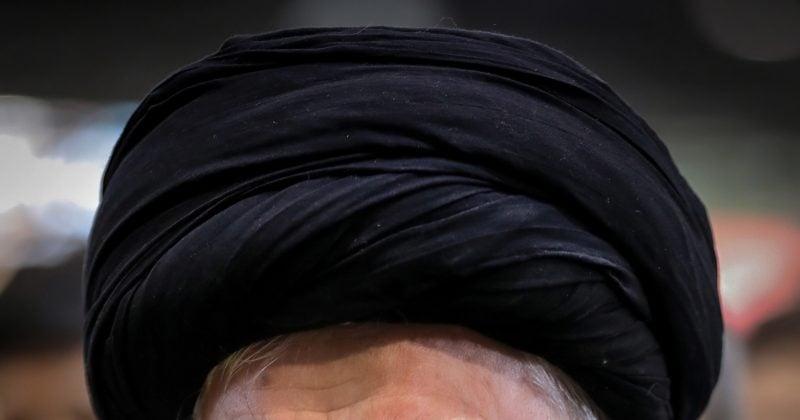
Iran faces leadership crisis after Khamenei assassination

https://commons.wikimedia.org/wiki/Category:Ali_Khamenei

Iran faces leadership crisis after Khamenei assassination

Iran leadership status by end of 2026

Iran is facing a significant leadership crisis following the assassination of Supreme Leader Ali Khamenei in February 2026 during a military operation led by the U.S. and Israel. The anticipated successor, Khamenei’s son Mojtaba, has not made any public appearances since his appointment in March, raising questions about his status and capacity to lead. Conflicting reports suggest he may be incapacitated or even in a coma, which has led to a power shift towards a military-led triumvirate. This development underscores a period of instability and potential transition in Iran’s governance structure.

Advertisement

Key Takeaways

  • Market activity suggests increased likelihood of a power vacuum in Iran, consistent with the absence of a confirmed head of state by the end of 2026.
  • The absence of Mojtaba Khamenei from public view appears to decrease the probability of his confirmed public appearance by upcoming deadlines.
  • The current power dynamics in Iran, with military figures potentially taking the helm, suggest a shift from traditional clerical rule.

What to Watch

Observers should monitor Iran’s internal political maneuvers and any official communications regarding Mojtaba Khamenei’s health and leadership status. Developments in Iran’s military and political structure could influence market perceptions of leadership stability. Key indicators include potential announcements or appearances by Mojtaba, changes in military leadership, and international diplomatic responses to Iran’s political situation. Markets may react to verified reports that clarify the status of Iran’s leadership and future governance trajectory.

Get live prediction-market analysis, powered by Vera. Sign up for Vera.

Disclosure: This article was edited by Estefano Gomez. For more information on how we create and review content, see our Editorial Policy.

Iran faces leadership crisis after Khamenei assassination

Iran faces leadership crisis after Khamenei assassination

Iran leadership status by end of 2026

https://commons.wikimedia.org/wiki/Category:Ali_Khamenei

Iran is facing a significant leadership crisis following the assassination of Supreme Leader Ali Khamenei in February 2026 during a military operation led by the U.S. and Israel. The anticipated successor, Khamenei’s son Mojtaba, has not made any public appearances since his appointment in March, raising questions about his status and capacity to lead. Conflicting reports suggest he may be incapacitated or even in a coma, which has led to a power shift towards a military-led triumvirate. This development underscores a period of instability and potential transition in Iran’s governance structure.

Advertisement

Key Takeaways

  • Market activity suggests increased likelihood of a power vacuum in Iran, consistent with the absence of a confirmed head of state by the end of 2026.
  • The absence of Mojtaba Khamenei from public view appears to decrease the probability of his confirmed public appearance by upcoming deadlines.
  • The current power dynamics in Iran, with military figures potentially taking the helm, suggest a shift from traditional clerical rule.

What to Watch

Observers should monitor Iran’s internal political maneuvers and any official communications regarding Mojtaba Khamenei’s health and leadership status. Developments in Iran’s military and political structure could influence market perceptions of leadership stability. Key indicators include potential announcements or appearances by Mojtaba, changes in military leadership, and international diplomatic responses to Iran’s political situation. Markets may react to verified reports that clarify the status of Iran’s leadership and future governance trajectory.

Get live prediction-market analysis, powered by Vera. Sign up for Vera.

Disclosure: This article was edited by Estefano Gomez. For more information on how we create and review content, see our Editorial Policy.