
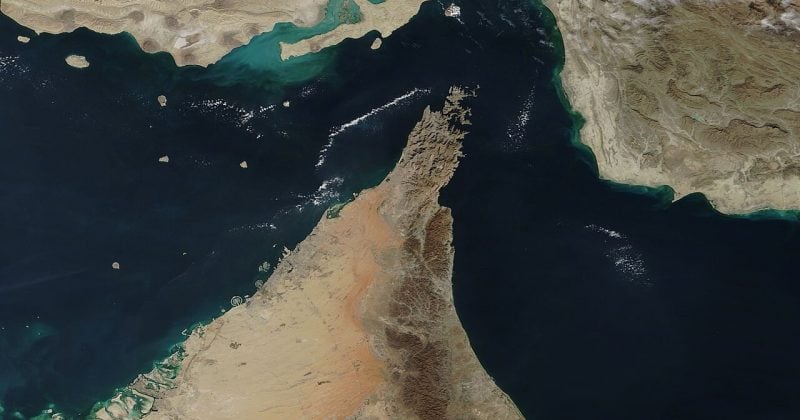
Iran pledges fair tolls for Hormuz passage, aligns with Trump on compensation

https://en.wikipedia.org/wiki/Strait_of_Hormuz

Iran pledges fair tolls for Hormuz passage, aligns with Trump on compensation

Iran Hormuz fees

Iran’s Foreign Minister Abbas Araghchi has expressed agreement with U.S. President Donald Trump’s stance that entities ensuring safe passage through the Strait of Hormuz should be compensated. Araghchi reaffirmed Iran’s role as the “eternal guardian” of the strategic waterway but criticized a proposed 20% charge for passage as excessive, pledging that Iran would impose fair fees. This statement comes amid ongoing tensions in the region, particularly during a fragile ceasefire phase in the conflict involving the U.S., Israel, and Iran.

The market reaction to Araghchi’s remarks suggests an increase in the perceived likelihood of Iran implementing transit fees. The statement appears to support scenarios where Iran formalizes a toll framework for vessels navigating the strait. Activity in prediction markets reflects this sentiment, with a notable rise in the probability of Iran charging fees by various key dates.

Advertisement

Iran’s move to emphasize its control over the Strait of Hormuz is seen as an effort to legitimize toll collection and establish a permanent system as part of broader negotiations. This development follows recent escalations and a tentative ceasefire in the region, with both Iran and the U.S. exchanging accusations of truce violations.

Key Takeaways

  • Araghchi’s statement appears consistent with an increase in market confidence regarding Iran’s intention to implement transit fees in the Strait of Hormuz.
  • Market pricing suggests a significant rise in the probability of Iran charging fees by the end of July and August 2026.
  • The minister’s pledge for fair tolls and criticism of the 20% charge may indicate a potential compromise in future negotiations.

What to Watch

Watch for official announcements from the Iranian government or the IRGC regarding the resumption of fee collection, which could further influence market probabilities. Monitoring statements from key international actors, including the U.S. and regional allies, will be crucial in assessing the potential for a formalized toll framework. Observing any reports of vessels paying fees or developments in negotiations could indicate movement toward a resolution in the ongoing geopolitical tensions.

Get live prediction-market analysis, powered by Vera. Sign up for Vera.

Disclosure: This article was edited by Estefano Gomez. For more information on how we create and review content, see our Editorial Policy.

Iran pledges fair tolls for Hormuz passage, aligns with Trump on compensation

Iran pledges fair tolls for Hormuz passage, aligns with Trump on compensation

Iran Hormuz fees

https://en.wikipedia.org/wiki/Strait_of_Hormuz

Iran’s Foreign Minister Abbas Araghchi has expressed agreement with U.S. President Donald Trump’s stance that entities ensuring safe passage through the Strait of Hormuz should be compensated. Araghchi reaffirmed Iran’s role as the “eternal guardian” of the strategic waterway but criticized a proposed 20% charge for passage as excessive, pledging that Iran would impose fair fees. This statement comes amid ongoing tensions in the region, particularly during a fragile ceasefire phase in the conflict involving the U.S., Israel, and Iran.

The market reaction to Araghchi’s remarks suggests an increase in the perceived likelihood of Iran implementing transit fees. The statement appears to support scenarios where Iran formalizes a toll framework for vessels navigating the strait. Activity in prediction markets reflects this sentiment, with a notable rise in the probability of Iran charging fees by various key dates.

Advertisement

Iran’s move to emphasize its control over the Strait of Hormuz is seen as an effort to legitimize toll collection and establish a permanent system as part of broader negotiations. This development follows recent escalations and a tentative ceasefire in the region, with both Iran and the U.S. exchanging accusations of truce violations.

Key Takeaways

  • Araghchi’s statement appears consistent with an increase in market confidence regarding Iran’s intention to implement transit fees in the Strait of Hormuz.
  • Market pricing suggests a significant rise in the probability of Iran charging fees by the end of July and August 2026.
  • The minister’s pledge for fair tolls and criticism of the 20% charge may indicate a potential compromise in future negotiations.

What to Watch

Watch for official announcements from the Iranian government or the IRGC regarding the resumption of fee collection, which could further influence market probabilities. Monitoring statements from key international actors, including the U.S. and regional allies, will be crucial in assessing the potential for a formalized toll framework. Observing any reports of vessels paying fees or developments in negotiations could indicate movement toward a resolution in the ongoing geopolitical tensions.

Get live prediction-market analysis, powered by Vera. Sign up for Vera.

Disclosure: This article was edited by Estefano Gomez. For more information on how we create and review content, see our Editorial Policy.