
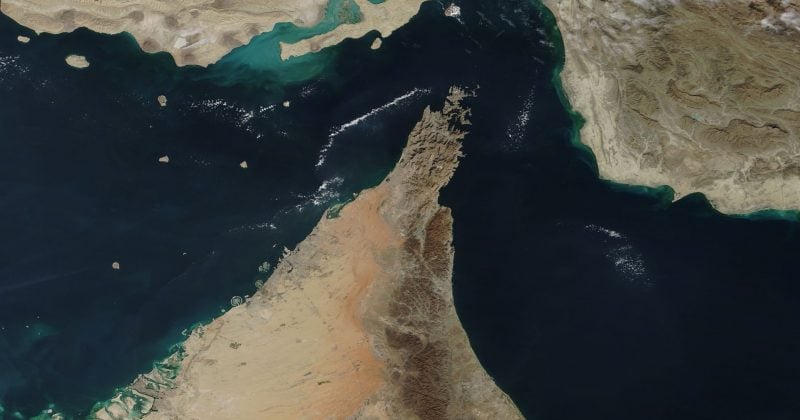
Trump declares US ‘Guardian of Hormuz Strait,’ imposes 20% cargo charge

https://en.wikipedia.org/wiki/Strait_of_Hormuz

Trump declares US ‘Guardian of Hormuz Strait,’ imposes 20% cargo charge

Strait of Hormuz traffic normalization

In a significant escalation of U.S.-Iran tensions, President Donald Trump announced that the United States will assume the role of “Guardian of the Hormuz Strait,” implementing a 20% charge on all cargo passing through the strategic waterway. This move comes amidst ongoing conflict between the U.S. and Iran, with the Strait of Hormuz being a crucial passage for a substantial portion of the world’s oil supply. Iranian Foreign Minister Araghchi responded swiftly, agreeing that compensation is warranted for safe passage but disputing the proposed rate as excessive. The declaration indicates a shift in U.S. policy from passive escort operations to an active economic strategy, challenging Iran’s traditional claims over the strait.

Advertisement

Key Takeaways

  • Trump’s announcement appears to intensify U.S.-Iran tensions, making normal traffic through the Strait of Hormuz less likely by August 31.
  • Market pricing suggests a declining expectation for a return to normalcy, with the odds of traffic normalization dropping from 29% to 15.5% over the past week.
  • Iran’s response indicates a potential for further negotiation, though the immediate market reaction reflects heightened uncertainty.

What to Watch

Developments in diplomatic relations between the U.S. and Iran will be crucial in the coming weeks. Watch for any official announcements from the Iranian government or any joint U.S.-Iran statements indicating a potential resolution. Key indicators will include changes in the status of the Strait on vessel tracking systems and any significant shifts in oil prices, which could suggest expectations of prolonged disruption. The upcoming UN Security Council sessions may also provide insights into international diplomatic efforts to address the situation.

Get live prediction-market analysis, powered by Vera. Sign up for Vera.

Disclosure: This article was edited by Estefano Gomez. For more information on how we create and review content, see our Editorial Policy.

Trump declares US ‘Guardian of Hormuz Strait,’ imposes 20% cargo charge

Trump declares US ‘Guardian of Hormuz Strait,’ imposes 20% cargo charge

Strait of Hormuz traffic normalization

https://en.wikipedia.org/wiki/Strait_of_Hormuz

In a significant escalation of U.S.-Iran tensions, President Donald Trump announced that the United States will assume the role of “Guardian of the Hormuz Strait,” implementing a 20% charge on all cargo passing through the strategic waterway. This move comes amidst ongoing conflict between the U.S. and Iran, with the Strait of Hormuz being a crucial passage for a substantial portion of the world’s oil supply. Iranian Foreign Minister Araghchi responded swiftly, agreeing that compensation is warranted for safe passage but disputing the proposed rate as excessive. The declaration indicates a shift in U.S. policy from passive escort operations to an active economic strategy, challenging Iran’s traditional claims over the strait.

Advertisement

Key Takeaways

  • Trump’s announcement appears to intensify U.S.-Iran tensions, making normal traffic through the Strait of Hormuz less likely by August 31.
  • Market pricing suggests a declining expectation for a return to normalcy, with the odds of traffic normalization dropping from 29% to 15.5% over the past week.
  • Iran’s response indicates a potential for further negotiation, though the immediate market reaction reflects heightened uncertainty.

What to Watch

Developments in diplomatic relations between the U.S. and Iran will be crucial in the coming weeks. Watch for any official announcements from the Iranian government or any joint U.S.-Iran statements indicating a potential resolution. Key indicators will include changes in the status of the Strait on vessel tracking systems and any significant shifts in oil prices, which could suggest expectations of prolonged disruption. The upcoming UN Security Council sessions may also provide insights into international diplomatic efforts to address the situation.

Get live prediction-market analysis, powered by Vera. Sign up for Vera.

Disclosure: This article was edited by Estefano Gomez. For more information on how we create and review content, see our Editorial Policy.