
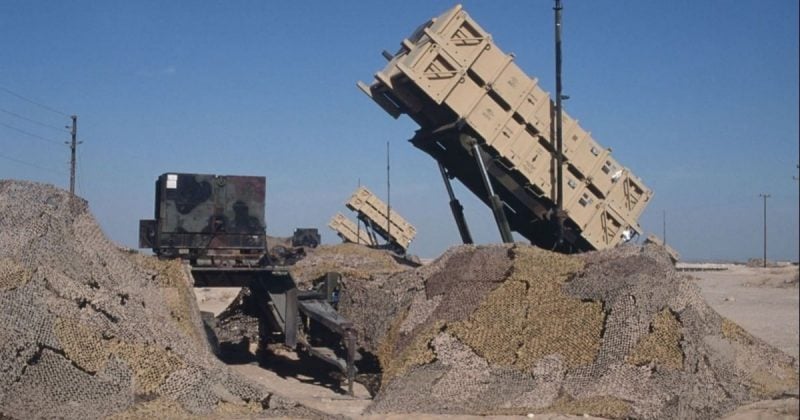
Saudi Arabia intercepts Houthi ballistic missile in ongoing conflict

https://en.defence-ua.com/weapon_and_tech/what_air_defense_has_saudi_arabia_and_how_effectively_it_works-10176.html

Saudi Arabia intercepts Houthi ballistic missile in ongoing conflict

Strait of Hormuz traffic normality

Saudi Arabia has announced its air defenses responded to a ballistic missile threat from Houthi forces in Yemen, according to a statement by Saudi military spokesman Turki al Malki on social media platform X. This development is part of the ongoing Houthi-Saudi conflict, which began with Saudi military intervention in Yemen in 2015. Despite previous diplomatic efforts, the conflict persists with continued missile and drone attacks. The use of ballistic missiles by Houthi forces indicates a technical escalation, posing a strategic threat to key Saudi targets. The Saudi response underscores its commitment to active deterrence.

Advertisement

Key Takeaways

  • Markets suggest the Saudi response to Houthi missile threats is consistent with heightened military tensions in the region.
  • The increased military activity may indicate potential disruptions in the Strait of Hormuz, affecting traffic normalization.
  • Pricing in the “Strait of Hormuz traffic returns to normal by December 31” market reflects concerns over regional instability.

What to Watch

Observers should monitor any further military escalations involving Saudi Arabia and Houthi forces, as continued attacks could impact shipping routes and regional security. Key developments to watch include potential Iranian involvement or statements, as well as responses from Gulf Cooperation Council members. Additionally, any diplomatic moves by U.S. or Iranian officials could influence market perceptions of the situation’s resolution, affecting activity in related markets.

Get live prediction-market analysis, powered by Vera. Sign up for Vera.

Disclosure: This article was edited by Estefano Gomez. For more information on how we create and review content, see our Editorial Policy.

Saudi Arabia intercepts Houthi ballistic missile in ongoing conflict

Saudi Arabia intercepts Houthi ballistic missile in ongoing conflict

Strait of Hormuz traffic normality

https://en.defence-ua.com/weapon_and_tech/what_air_defense_has_saudi_arabia_and_how_effectively_it_works-10176.html

Saudi Arabia has announced its air defenses responded to a ballistic missile threat from Houthi forces in Yemen, according to a statement by Saudi military spokesman Turki al Malki on social media platform X. This development is part of the ongoing Houthi-Saudi conflict, which began with Saudi military intervention in Yemen in 2015. Despite previous diplomatic efforts, the conflict persists with continued missile and drone attacks. The use of ballistic missiles by Houthi forces indicates a technical escalation, posing a strategic threat to key Saudi targets. The Saudi response underscores its commitment to active deterrence.

Advertisement

Key Takeaways

  • Markets suggest the Saudi response to Houthi missile threats is consistent with heightened military tensions in the region.
  • The increased military activity may indicate potential disruptions in the Strait of Hormuz, affecting traffic normalization.
  • Pricing in the “Strait of Hormuz traffic returns to normal by December 31” market reflects concerns over regional instability.

What to Watch

Observers should monitor any further military escalations involving Saudi Arabia and Houthi forces, as continued attacks could impact shipping routes and regional security. Key developments to watch include potential Iranian involvement or statements, as well as responses from Gulf Cooperation Council members. Additionally, any diplomatic moves by U.S. or Iranian officials could influence market perceptions of the situation’s resolution, affecting activity in related markets.

Get live prediction-market analysis, powered by Vera. Sign up for Vera.

Disclosure: This article was edited by Estefano Gomez. For more information on how we create and review content, see our Editorial Policy.