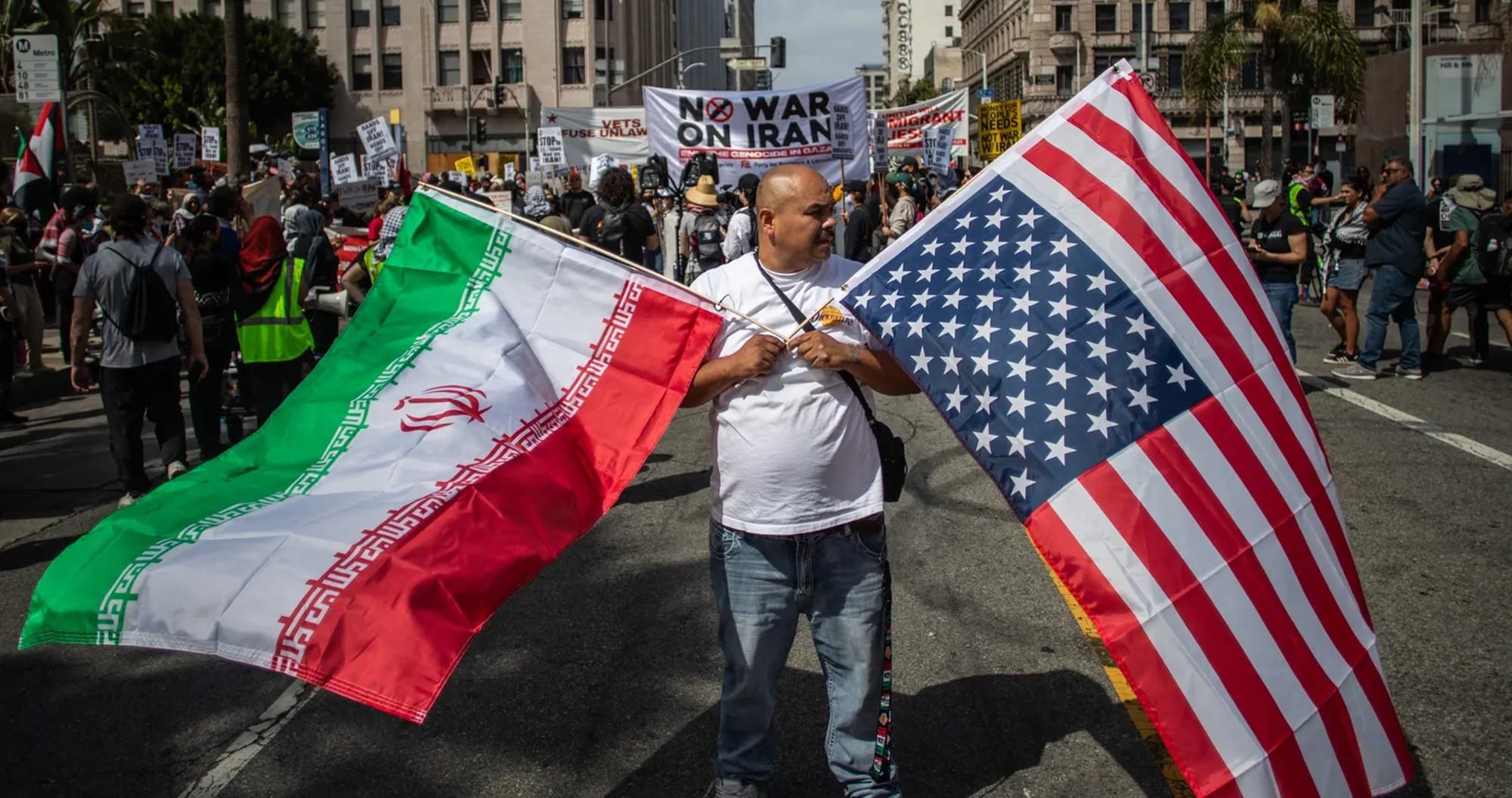
Iran has turned down US demands to halt uranium enrichment and dismantle its facilities. The ceasefire by April 15 market still sits at 100% YES, but the breakdown raises questions about whether later deadlines will hold.
The rejection came during talks in Islamabad, where Iran also refused to stop funding groups like Hamas and Hezbollah and to fully reopen the Strait of Hormuz. The April 7 truce remains in place, but the lack of compromise on any major demand suggests it may not last. April 30 and May 31 odds are also at 100% YES, though these could shift if the truce breaks down.
Volume data shows no face value trades in the ceasefire markets. The 100% odds reflect a stagnant market with no active trading, not strong conviction in a lasting ceasefire.
Iran’s rejection of enrichment limits, proxy funding cuts, and Strait of Hormuz access makes a permanent peace deal by April 22 unlikely. A YES share in the permanent peace market could pay out if a breakthrough happens, but current signals point bearish.
Traders should watch for intermediary activity from Oman or Qatar, along with statements from CENTCOM or the White House. Any shift in language or new diplomatic efforts could move the odds quickly.