
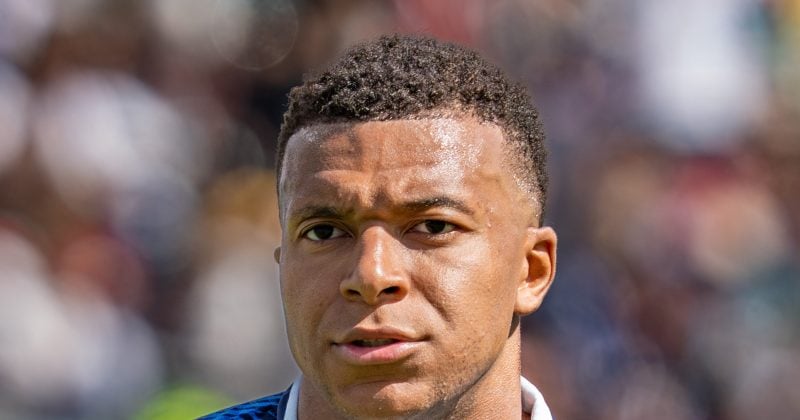
Mbappé’s historic second Golden Boot highlights crypto’s vanishing act from world football
The 2026 World Cup's top scorer has no crypto sponsors in sight, a stark reversal from the industry's lavish 2022 spending spree
Kylian Mbappé just did something no footballer has ever done: win the World Cup Golden Boot twice. His 10 goals at the 2026 tournament brought his career World Cup total to 20 across three tournaments, a staggering achievement that cements him as one of the greatest to ever play the game.
But here’s the thing. The last time Mbappé dominated a World Cup, crypto logos were plastered across seemingly every surface FIFA could monetize. This time around, the industry was nowhere to be found.
From stadium wraps to ghost town
Rewind to 2022. Binance was an official FIFA partner. Crypto.com had its name on arenas. Fan token platforms were running hot. The crypto industry was spending money on sports marketing like it had discovered an infinite money glitch.
Then the glitch corrected itself. FTX collapsed spectacularly. Regulatory scrutiny intensified across multiple jurisdictions. And the companies that survived mostly pulled back from the kind of splashy sports sponsorships that defined the bull market era.
The 2026 World Cup reflected that retreat in vivid terms. There were no official crypto partnerships or sponsorships tied to the tournament or to Mbappé’s campaign.
Mbappé’s lone crypto connection
Mbappé isn’t entirely disconnected from the blockchain world. Back in June 2022, near the peak of crypto’s cultural influence, he became an ambassador and investor for Sorare, a blockchain-based fantasy sports platform. That relationship appears to have survived the broader industry pullback, though it hasn’t exactly been a centerpiece of his public brand during this tournament cycle.
The news moving money, markets, and the world—before your day starts.
Daily. Free. Join 34,000+ readers across crypto, finance, and policy.
Meanwhile, platforms like Chiliz, which powered fan tokens for major football clubs and saw significant trading activity during the 2022 World Cup, continue to operate. But they haven’t regained the momentum that characterized their peak. The trading volumes that once spiked alongside major football events have largely flattened.
Meme tokens rush in where sponsors fear to tread
With no official partnerships to fill the void, unauthorized meme tokens have predictably rushed in. Tokens like MBAPPE and MPEPE have seen trading spikes around Mbappé’s career milestones, including his Golden Boot achievement.
Several unauthorized tokens linked to Mbappé have been associated with scams and market manipulation. Mbappé himself has no involvement with these tokens.
What this means for crypto’s sports ambitions
The contrast between 2022 and 2026 tells a story about where crypto sits in the broader cultural landscape. Two World Cups ago, the industry was aggressively positioning itself as a mainstream force, spending heavily to associate digital assets with the world’s most popular sport. Now, with many of those sponsors either bankrupt or retrenching, that positioning has largely evaporated.
Sports marketing budgets tend to reflect industry confidence and available capital. When crypto companies were flush with venture money and bull market profits, they spent freely. The current absence suggests the industry is still recalibrating after the crypto winter, prioritizing survival and regulatory compliance over brand visibility.