
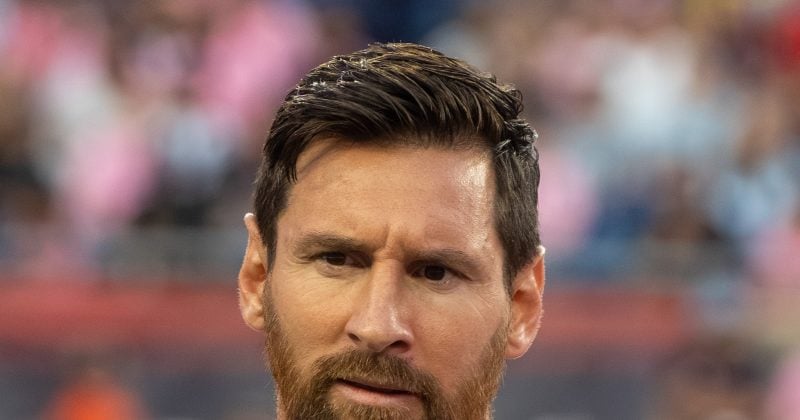
Lionel Messi reaches third World Cup final as prediction markets explode with billions in volume
The soccer legend's historic appearance is driving massive activity on Polymarket and Kalshi, even as the tournament itself has zero crypto sponsors
Lionel Messi just became only the second player in history to appear in three FIFA World Cup finals. He’s also the oldest outfield player to start one. And somehow, the most interesting part of this story for crypto markets isn’t happening on the pitch.
The 2026 World Cup final is set for July 19 at MetLife Stadium, where Argentina will face Spain. Messi previously played in the 2014 and 2022 finals, matching Brazilian legend Cafu, who reached the final in 1994, 1998, and 2002.
Prediction markets are having their Super Bowl moment
Cumulative trading volume on Polymarket and Kalshi for World Cup markets has exceeded $4.2 billion. The final alone is estimated to generate between $1.6 and $1.9 billion in trades.
Polymarket in particular has positioned itself as the go-to platform for event-based speculation, building on the momentum it gained during the 2024 US presidential election cycle.
The Messi-crypto connection runs deeper than you think
Messi’s ambassador deal with Socios.com is valued at over $20 million. That partnership ties him directly to the Chiliz blockchain ecosystem, which powers fan tokens for sports teams worldwide. Argentina’s national team token, $ARG, trades on the Socios/Chiliz platform.
The broader fan-token market currently sits at approximately $3.8 billion in market capitalization. Fan tokens were supposed to revolutionize how supporters interact with their teams. In practice, they’ve mostly functioned as speculative instruments that spike around major tournaments and drift sideways the rest of the time.
The news moving money, markets, and the world—before your day starts.
Daily. Free. Join 34,000+ readers across crypto, finance, and policy.
The curious absence of crypto at the world’s biggest stage
Perhaps the most telling detail about the 2026 World Cup final is what’s not there. The event has no reported crypto sponsors, no NFT integrations, and no blockchain ticketing partnerships.
Compare that to the crypto frenzy of 2021 and 2022, when exchanges like Crypto.com, FTX, and Binance were plastering their logos across every stadium and jersey they could find. FTX famously collapsed months after the 2022 World Cup.
This creates an odd dynamic. The prediction markets built on blockchain infrastructure are processing billions in World Cup-related volume. The fan tokens connected to Messi’s brand are actively trading. But the official tournament itself wants nothing to do with any of it.
The prediction market volumes are arguably the more important signal. Polymarket and Kalshi processing billions in trades around a single event demonstrates that decentralized prediction markets have found genuine product-market fit.
The fan-token sector, meanwhile, remains a trickier bet. Its $3.8 billion market cap suggests it has staying power, but growth has plateaued. Tokens like $ARG will likely see short-term volatility around the final, particularly if Messi delivers another iconic performance. But the structural challenges facing fan tokens, namely limited utility beyond speculation, haven’t been solved.