
NATO allies commit £37B to missile project against Russian threats

https://www.defenceturkey.com/news/nato-launches-usd-16-billion-missile-and-air-defense-initiatives-highlights-turkiyes-atmaca-and-iamd-investments

NATO allies commit £37B to missile project against Russian threats

NATO and Russia military clash

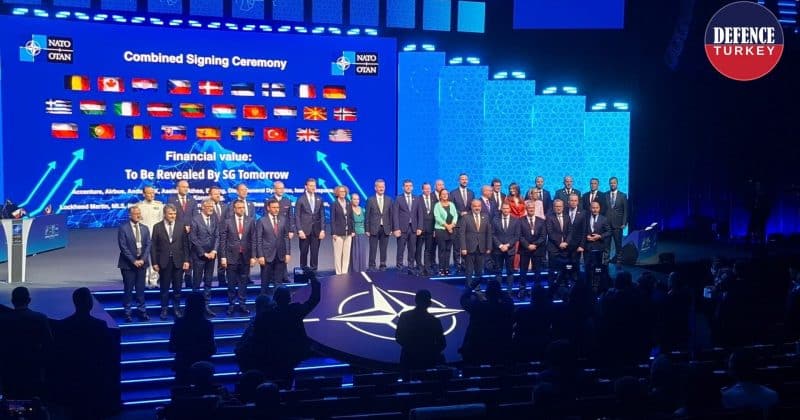
NATO allies, led by the UK, have committed £37 billion to develop the Deep Precision Strike long-range missile project, aiming to bolster European defense capabilities against Russian threats in the ongoing conflict in Ukraine. The initiative, announced at the Ankara summit, involves 12 nations, including Germany, and is part of NATO’s broader strategy to enhance strategic deterrence and reduce reliance on short-term tactical responses. This move is seen as a major shift towards long-term strategic stability and deterrence by denial against Russia’s advanced military capabilities. The missile system, expected to be operational in the 2030s, emphasizes NATO’s focus on reinforcing defense production and standardizing military architecture.

Advertisement

Key Takeaways

  • NATO’s £37 billion missile project appears consistent with efforts to enhance strategic deterrence against Russia.
  • The announcement may indicate increased military readiness among NATO nations, reflecting heightened concerns about Russian aggression.
  • Market pricing suggests participants view this development as potentially increasing the risk of a NATO-Russia military clash.

What to Watch

Observers should monitor responses from Russian officials, including President Vladimir Putin and Defense Minister Sergei Shoigu, for any indications of heightened tensions or military maneuvers. Developments in NATO’s defense production and strategic policy shifts could also provide insight into future military dynamics. The project’s long-term focus suggests that while immediate impacts may be limited, its strategic implications could influence market perceptions of NATO-Russia relations moving forward.

Get prediction market intelligence as a structured API feed. Early access waitlist.

Disclosure: This article was edited by Estefano Gomez. For more information on how we create and review content, see our Editorial Policy.

NATO allies commit £37B to missile project against Russian threats

NATO allies commit £37B to missile project against Russian threats

NATO and Russia military clash

https://www.defenceturkey.com/news/nato-launches-usd-16-billion-missile-and-air-defense-initiatives-highlights-turkiyes-atmaca-and-iamd-investments

NATO allies, led by the UK, have committed £37 billion to develop the Deep Precision Strike long-range missile project, aiming to bolster European defense capabilities against Russian threats in the ongoing conflict in Ukraine. The initiative, announced at the Ankara summit, involves 12 nations, including Germany, and is part of NATO’s broader strategy to enhance strategic deterrence and reduce reliance on short-term tactical responses. This move is seen as a major shift towards long-term strategic stability and deterrence by denial against Russia’s advanced military capabilities. The missile system, expected to be operational in the 2030s, emphasizes NATO’s focus on reinforcing defense production and standardizing military architecture.

Advertisement

Key Takeaways

  • NATO’s £37 billion missile project appears consistent with efforts to enhance strategic deterrence against Russia.
  • The announcement may indicate increased military readiness among NATO nations, reflecting heightened concerns about Russian aggression.
  • Market pricing suggests participants view this development as potentially increasing the risk of a NATO-Russia military clash.

What to Watch

Observers should monitor responses from Russian officials, including President Vladimir Putin and Defense Minister Sergei Shoigu, for any indications of heightened tensions or military maneuvers. Developments in NATO’s defense production and strategic policy shifts could also provide insight into future military dynamics. The project’s long-term focus suggests that while immediate impacts may be limited, its strategic implications could influence market perceptions of NATO-Russia relations moving forward.

Get prediction market intelligence as a structured API feed. Early access waitlist.

Disclosure: This article was edited by Estefano Gomez. For more information on how we create and review content, see our Editorial Policy.