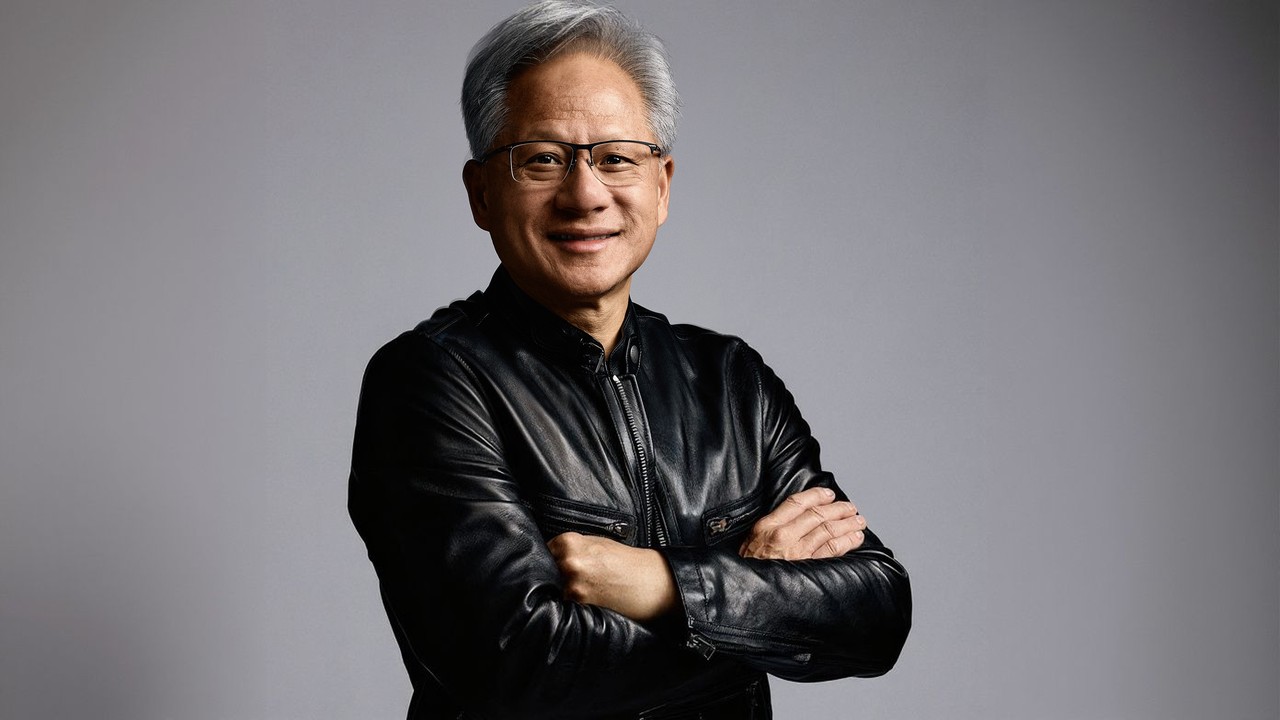
Nvidia CEO Jensen Huang targeted in Chinese espionage plot, NY Times reports
NVIDIA official newsroom (nvidianews.nvidia.com/bios/jensen-huang)
The report says Chinese spies went after Huang himself in an effort to obtain AI chips, adding a personal dimension to the export control fight
Chinese spies targeted Nvidia CEO Jensen Huang in an effort to get their hands on AI chips, according to a report from The New York Times.
CryptoBriefing has not independently verified the details of the alleged operation. The claim rests on the Times’ reporting.
What the report alleges
The core allegation is straightforward. Chinese intelligence operatives reportedly focused on Huang as part of a broader push to acquire Nvidia’s advanced AI hardware.
The allegation lands against a backdrop of documented efforts to move Nvidia products into China. US prosecutors have brought indictments alleging more than $300 million in Nvidia chip smuggling schemes. Those cases involve individuals with links to Super Micro.
Chinese military procurement records also show sustained interest in Nvidia hardware. Those records reveal hundreds of instances since 2019 in which military entities requested Nvidia AI chips, despite US export controls already in place.
Nvidia’s balancing act
Nvidia has repeatedly said it follows export rules. The company has stated that less than 0.5% of its products are diverted through smuggling.
AI, tech, and the markets they move—in one daily briefing.
Daily. Free. Join 34,000+ readers across crypto, finance, and policy.
It has also said it does not endorse smuggling practices.
Why the export control fight keeps intensifying
The smuggling indictments show one approach: move the chips through intermediaries without proper documentation. The procurement records show another: keep requesting the hardware and see what can be sourced.
An espionage operation aimed at Huang, as the Times describes it, would represent a third approach. It would target the people with the most knowledge and influence over where these chips go.
Export controls are designed to stop boxes from crossing borders. They are less suited to stopping intelligence services from cultivating access to executives.
What this means for Nvidia and its investors
For Nvidia shareholders, the most immediate risk is regulatory rather than reputational. Ongoing scrutiny of smuggling operations could lead to further regulatory problems for the company and weigh on its market performance.
Future licensing decisions for China-bound products may face tougher review. Enforcement actions could expand. Compliance obligations for Nvidia and its distribution partners could grow heavier and more expensive.
Military procurement data already shows persistent interest in Nvidia’s products. The interplay between compliance, operational viability, and market access could heavily influence Nvidia’s stock in the months ahead.
Disclosure: This article was edited by Diego Almada Lopez. For more information on how we create and review content, see our Editorial Policy.

