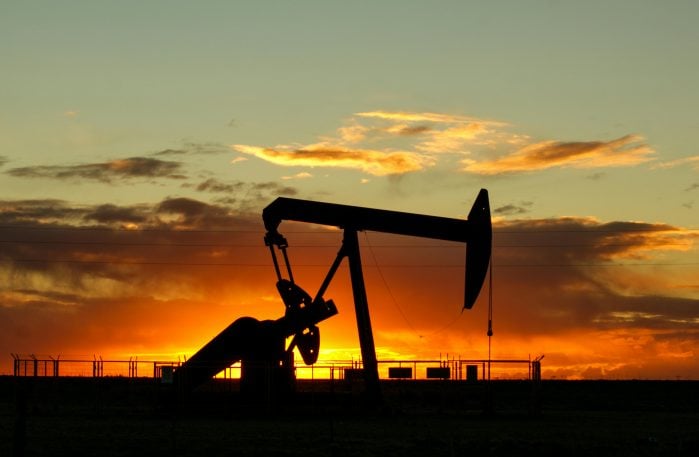
Oil prices experienced a significant drop on Wednesday, marking their steepest weekly decline since 2020. The decline follows the Democratic party’s recent electoral success, gaining control of both houses of Congress. This political shift has raised expectations of a change in U.S. policy toward Iran, potentially leading to de-escalation in the region. The anticipation of reduced geopolitical tensions has contributed to a decrease in the geopolitical supply premium on crude prices.
Brent crude and U.S. West Texas Intermediate (WTI) futures saw declines of approximately 3% intraday, reaching multiweek lows. Brent crude traded between $100 and $102 per barrel, while WTI moved between $93 and $95. As the market adjusts to the potential policy changes, the likelihood of crude oil reaching a new all-time high by December 31 appears to have diminished, with current pricing for this outcome at 8.5% YES.
The impact of the Democratic sweep and its implications for U.S.-Iran relations has also affected longer-term market expectations. The probability of oil reaching a new all-time high by April 1, 2027, has decreased to 20.5% YES. This adjustment reflects market participants’ reassessment of the geopolitical and supply dynamics influencing crude oil prices.
Key Takeaways
- Recent oil price declines suggest markets are adjusting to expectations of U.S. policy shifts toward Iran under a Democratic-controlled Congress.
- The probability of crude oil reaching a new all-time high by December 31 has decreased, currently priced at 8.5% YES.
- Long-term expectations for an all-time high by April 1, 2027, have also been reduced to 20.5% YES, reflecting adjusted geopolitical and supply considerations.
What to Watch
Observers will be closely monitoring any policy announcements from the Democratic leadership regarding Iran, which could further influence oil market dynamics. Key figures such as the Secretary General of OPEC and the Executive Director of the IEA may provide insights into potential production adjustments in response to geopolitical developments. Additionally, any geopolitical stability or instability in the Middle East will remain a critical factor affecting future oil price movements.

