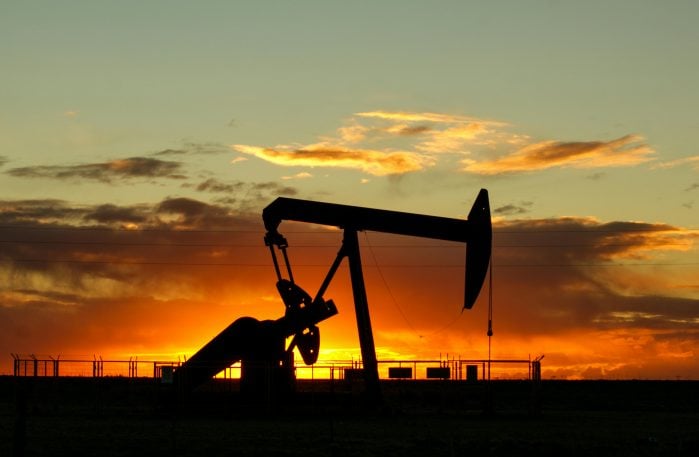
Oil prices experienced a significant decline following a post by JD Vance that suggested potential de-escalation in the Iran war, impacting expectations for White House action. Brent and West Texas Intermediate (WTI) crude-oil futures both fell sharply, with Brent dropping to approximately $94–95 per barrel and WTI to around $88–89. This decline appears to reflect a market interpretation that reduced geopolitical tensions could lower the risk of supply disruptions in the Gulf, which had previously elevated prices. The market response suggests that participants are adjusting their expectations for potential future oil price surges.
Key Takeaways
- The market reaction appears to indicate a reduced likelihood of crude oil reaching new all-time highs in the near term.
- Vance’s statement seems to have influenced market sentiment, suggesting a shift in geopolitical risk assessments related to the Iran conflict.
- The pricing suggests that market participants view the potential for de-escalation as consistent with lower oil prices.
What to Watch
Watch for any official statements or policy shifts from the White House regarding the Iran conflict, as these could further influence oil price expectations. Additionally, actions by key actors such as OPEC and the International Energy Agency may provide further indications of future oil supply dynamics. Any developments in peace negotiations or changes in geopolitical stability in the Middle East would be consistent with scenarios where oil prices remain suppressed.

