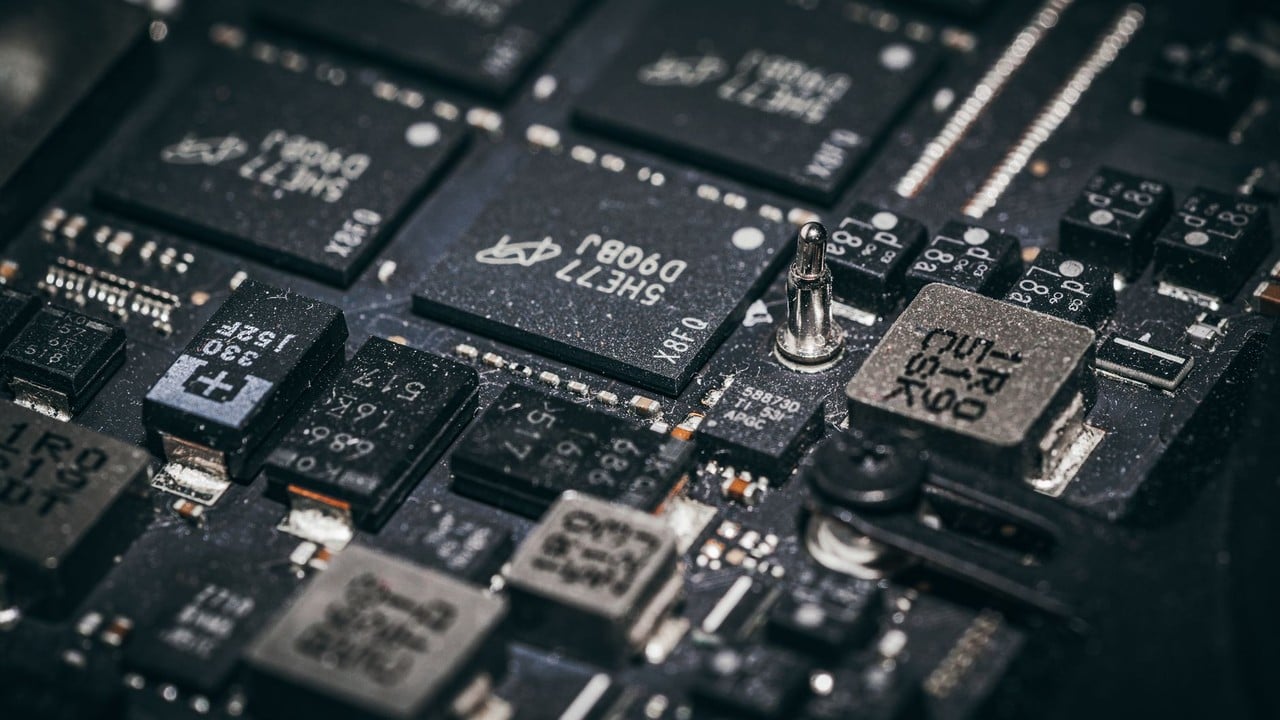
Ornn Exchange data shows GPU rental prices climbing month-on-month across chip generations
Photo: Jakub Pabis / Pexels
Nvidia's B200 and H200 chips led the gains, with H200 rental rates up nearly 49% in a single month
Renting a top-tier AI chip is getting a lot more expensive, and the newest hardware is leading the way.
Fresh data from Ornn Exchange shows GPU transaction prices rose across all tracked generations over the past year. Nvidia’s B200 and H200 chips posted the steepest climbs.
The numbers behind the GPU price surge
The figures come from the Ornn Compute Price Index, or OCPI, a benchmark that Ornn AI Inc. built to track what GPU rentals actually cost. As of mid-November 2026, the B200, part of Nvidia’s Blackwell line, was renting for approximately $9.84 per GPU-hour.
That reading was up 32% from the preceding month.
The H200, from Nvidia’s Hopper generation, was even more dramatic. Its rental price hit around $7.75 per GPU-hour, a jump of nearly 49% over the same one-month window.
Older chips did not sit the rally out. The H100 was priced at $3.25 per GPU-hour, reflecting an 8.3% increase, while the A100 came in at $1.06 per GPU-hour, up 11.58%.
The spread between generations tells its own story. An hour on a B200 now costs roughly nine times what an hour on an A100 does, and the H200 rents for more than double the H100.
AI, tech, and the markets they move—in one daily briefing.
Daily. Free. Join 34,000+ readers across crypto, finance, and policy.
How Ornn measures what compute really costs
Ornn’s approach tries to fix that. The OCPI is built from volume-weighted averages of settled trades, not from surveys or posted rate cards.
The indices are drawn from executed trades in the neocloud market, the cluster of newer cloud providers that rent out GPU capacity specifically for AI work. They settle daily at midnight ET.
Several of Ornn’s tickers are available on Bloomberg.
Ornn also runs a marketplace, Ornn Compute, where users can trade both spot and reserved GPU capacity. The marketplace uses the index as its pricing reference.
Spot capacity is the pay-as-you-go option, grabbing whatever is available right now. Reserved capacity is the long-term lease, locking in access for a set period.
A young company with a big ambition
Ornn is a recent arrival. The company was founded in 2025 by a team of MIT graduates, with the goal of bringing transparent pricing to the GPU rental market for AI workloads.
Investors have been interested. Ornn raised $33 million in a seed round in June 2026, a sizable check for a company at that stage.
The pitch is straightforward. As Blackwell chips gain adoption, buyers and sellers have struggled to see clearly where supply and demand actually sit, and Ornn wants to be the scoreboard.
According to the company’s positioning, its data is increasingly being used as a reference by neocloud operators and financial firms for pricing and hedging. Ornn presents itself as a benchmark for pricing, hedging, and financing in the compute market.
Disclosure: This article was edited by Diego Almada Lopez. For more information on how we create and review content, see our Editorial Policy.

