Emmanuel Roman says AI may need roughly $10 trillion in financing over five years, a sum that rivals the entire US bond market
One of the world’s biggest bond investors just put a price tag on the AI boom. It is a large one.
PIMCO chief executive Emmanuel Roman told a Hong Kong audience that artificial intelligence could need approximately $2 trillion a year in financing over the next five years. Add it up and you get around $10 trillion, with Roman warning that a pace like that may not hold.
What Roman said in Hong Kong
Roman spoke at the Global Financial Leaders’ Investment Summit in Hong Kong, around November 3, 2026. The event drew approximately 280 global financial executives.
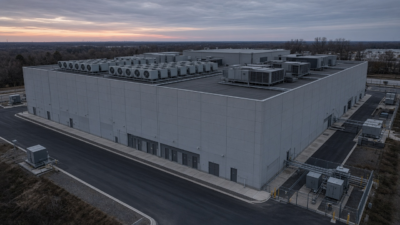
His core argument was about scale. AI is no longer just a software story. It is a capital story, built on data centers and semiconductor factories that need enormous amounts of money to build.
Roman’s estimate of around $10 trillion over five years lands uncomfortably close to the size of the entire US bond market. That market is valued at approximately $12 trillion.
Roman cautioned that the accelerating pace of spending could prove unsustainable. If it does, he suggested, the result could be a significant market downturn.
“Things are going to break.”
The three tripwires
Roman flagged several potential catalysts that could turn an expensive boom into a painful bust.
Rising US interest rates. Borrowing $2 trillion a year is one thing when money is cheap. It is a very different conversation when the cost of that money climbs.
Conflict in the Middle East. Geopolitical shocks have a way of rattling markets fast. Roman listed conflict in the region as another possible spark.
Euro-zone uncertainty. Roman also pointed to ongoing instability in the euro-zone, including the risk of a crisis there.
The counterargument from Blackstone
Roman did not have the stage to himself. Blackstone President Jon Gray offered a sharply different read during the same panel.
Gray emphasized the productivity gains AI could deliver and the ongoing demand for investment in the space. In his framing, the spending reflects real economic need rather than froth.
Both men run firms with deep exposure to how this plays out. PIMCO lives and breathes credit markets. Blackstone is a major player in private capital and real assets, the kind of money that tends to flow into infrastructure.
What this means for investors and markets
The most important part of Roman’s warning is where the money comes from. If AI infrastructure needs roughly $2 trillion a year, a meaningful share of that will likely have to come from debt markets and private credit. That ties the fate of the AI trade more closely to interest rates and lender appetite than many equity investors might assume.
Roman’s triggers all share a theme: they tighten financial conditions. Higher rates, geopolitical shocks, and European stress can each make lenders more cautious at exactly the moment AI builders need them most.
Data center developers and chip manufacturers sit at the center of this. They are the physical layer of the boom, and they are also among the most capital-intensive businesses in it.
On the other side, Gray’s view suggests the demand is real and durable. If productivity gains arrive on schedule, today’s spending may look reasonable in a few years. If they arrive late, the financing bill comes due before the payoff.
The summit gathered roughly 280 executives wrestling with the same question. The fact that two of the most prominent voices in the room landed in such different places says plenty about how unsettled the answer still is.