
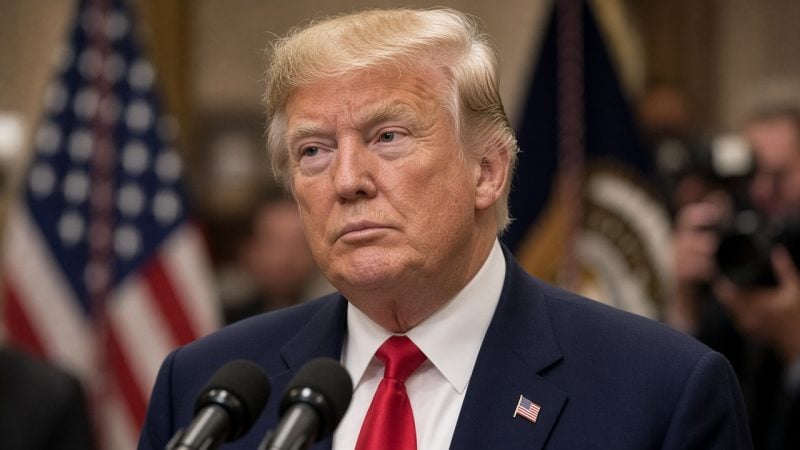
Poll shows most US voters believe Trump, Congress neglect AI risks
A Reuters/Ipsos survey finds broad, bipartisan appetite for stricter AI rules weeks before the midterm elections
Most American voters think Washington is asleep at the wheel on artificial intelligence. A new Reuters/Ipsos poll found that 57% of registered voters believe the Trump administration is not taking AI risks seriously enough.
Congress fared only slightly better, with 54% saying lawmakers are falling short.
What the numbers say
The survey ran from September 30 to October 5, 2026, and polled 3,526 registered voters. Its headline finding is that 69% of respondents want stricter government regulation of AI.
That support is not confined to one side of the aisle. 80% of Democrats, 61% of Republicans, and 55% of independents backed tougher oversight.
Jobs sit at the center of the anxiety. A striking 84% of voters see AI as a threat to American workers.
That concern outranked worries about foreign competition, corporate dominance and illegal immigration.
The worries get specific. 77% of respondents expressed concern that AI could eliminate jobs in particular professions.
AI, tech, and the markets they move—in one daily briefing.
Daily. Free. Join 34,000+ readers across crypto, finance, and policy.
Another 76% worry that AI will shrink entry-level opportunities for younger workers.
62% of voters said they worry AI could spiral beyond human control and put humanity’s future at risk.
Data centers become a political issue
The poll also captured skepticism about the physical infrastructure powering the AI boom. 56% of voters support limits on the construction of new data centers.
Data centers are the warehouses of servers that train and run AI models. They consume large amounts of electricity, which has pulled them into broader debates about energy use.
The timing matters. Midterm elections are set for November 3, 2026, and AI regulation is emerging as a campaign issue alongside conversations about data centers, energy consumption and the job market.
Why this matters for Washington and the tech industry
The most important signal here is the gap between public sentiment and perceived government action. Voters are not saying AI is unimportant; they are saying their leaders are not treating it as important enough.
The research accompanying the poll suggests this could inject uncertainty into the technology sector, particularly for AI-focused companies and startups.