
Rubio-Wang Yi meeting in Manila sets the stage for Trump-Xi summit and potential market shifts

Rubio-Wang Yi meeting in Manila sets the stage for Trump-Xi summit and potential market shifts

The US secretary of state and China's top diplomat are meeting on the sidelines of ASEAN, with a September summit between Trump and Xi on the line.

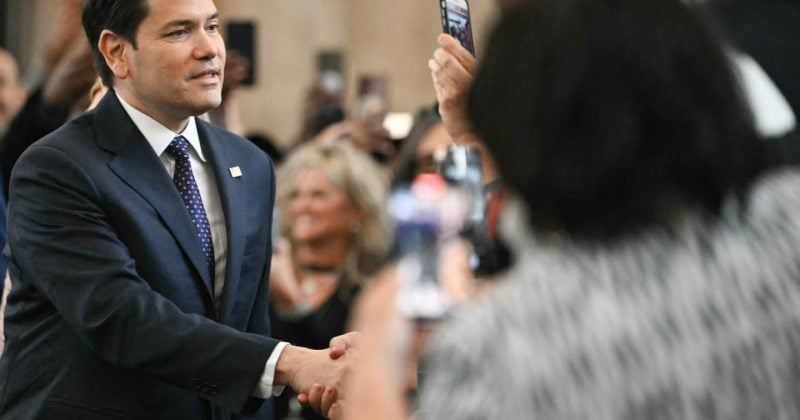
US Secretary of State Marco Rubio is set to sit down with Chinese Foreign Minister Wang Yi in Manila on Wednesday, a diplomatic encounter that could shape the trajectory of US-China relations for the rest of 2026. The meeting takes place during the 59th ASEAN Foreign Ministers’ Meeting, and its primary objective is laying the groundwork for a potential second Trump-Xi summit in September.

The July 22-23 ASEAN gathering in the Philippines serves as the stage for what could be a pivotal moment in great-power diplomacy. Rubio and Wang Yi will use the multilateral forum’s sidelines to hash out the logistics and agenda for a September summit between President Trump and President Xi Jinping.

Advertisement

This follows Trump’s May 2026 visit to Beijing, which was the last major high-level engagement between the two nations.

Rubio was previously sanctioned by China over his vocal criticism of Beijing’s policies in Hong Kong. In a move that diplomats would describe as creative and everyone else would call a bureaucratic loophole, China employed a transliteration workaround, referring to him as “Marco Lu” to sidestep their own restrictions.

ASEAN itself has been quietly building its own digital economy infrastructure. The Digital Economy Framework Agreement, known as DEFA, concluded negotiations in May 2026, giving Southeast Asian nations a more unified approach to digital trade.

The direct connection between a Rubio-Wang Yi sit-down and crypto markets runs through a few clear channels. US-China trade dynamics are one of the biggest drivers of dollar strength or weakness, and the dollar’s trajectory has historically correlated inversely with Bitcoin and other major crypto assets. Both the US and China have taken increasingly assertive positions on tech regulation, and crypto sits squarely in the overlap between technology and finance. A broader deterioration in US-China relations tends to produce more hawkish regulatory postures on both sides, as each government tightens its grip on capital flows and digital infrastructure.

Investors should watch for any post-meeting statements on trade, technology transfer, or financial sanctions. The September timeline means we’re entering a period where every diplomatic development will be analyzed for what it reveals about the summit’s likelihood and scope.

Disclosure: This article was edited by Editorial Team. For more information on how we create and review content, see our Editorial Policy.

Rubio-Wang Yi meeting in Manila sets the stage for Trump-Xi summit and potential market shifts

Rubio-Wang Yi meeting in Manila sets the stage for Trump-Xi summit and potential market shifts

The US secretary of state and China's top diplomat are meeting on the sidelines of ASEAN, with a September summit between Trump and Xi on the line.

US Secretary of State Marco Rubio is set to sit down with Chinese Foreign Minister Wang Yi in Manila on Wednesday, a diplomatic encounter that could shape the trajectory of US-China relations for the rest of 2026. The meeting takes place during the 59th ASEAN Foreign Ministers’ Meeting, and its primary objective is laying the groundwork for a potential second Trump-Xi summit in September.

The July 22-23 ASEAN gathering in the Philippines serves as the stage for what could be a pivotal moment in great-power diplomacy. Rubio and Wang Yi will use the multilateral forum’s sidelines to hash out the logistics and agenda for a September summit between President Trump and President Xi Jinping.

Advertisement

This follows Trump’s May 2026 visit to Beijing, which was the last major high-level engagement between the two nations.

Rubio was previously sanctioned by China over his vocal criticism of Beijing’s policies in Hong Kong. In a move that diplomats would describe as creative and everyone else would call a bureaucratic loophole, China employed a transliteration workaround, referring to him as “Marco Lu” to sidestep their own restrictions.

ASEAN itself has been quietly building its own digital economy infrastructure. The Digital Economy Framework Agreement, known as DEFA, concluded negotiations in May 2026, giving Southeast Asian nations a more unified approach to digital trade.

The direct connection between a Rubio-Wang Yi sit-down and crypto markets runs through a few clear channels. US-China trade dynamics are one of the biggest drivers of dollar strength or weakness, and the dollar’s trajectory has historically correlated inversely with Bitcoin and other major crypto assets. Both the US and China have taken increasingly assertive positions on tech regulation, and crypto sits squarely in the overlap between technology and finance. A broader deterioration in US-China relations tends to produce more hawkish regulatory postures on both sides, as each government tightens its grip on capital flows and digital infrastructure.

Investors should watch for any post-meeting statements on trade, technology transfer, or financial sanctions. The September timeline means we’re entering a period where every diplomatic development will be analyzed for what it reveals about the summit’s likelihood and scope.

Disclosure: This article was edited by Editorial Team. For more information on how we create and review content, see our Editorial Policy.