
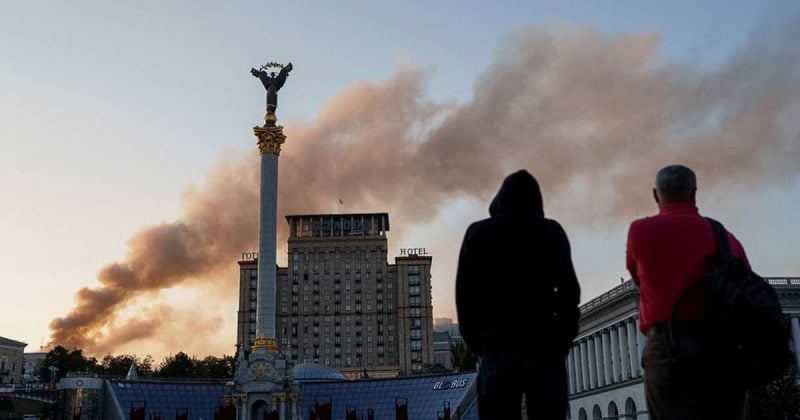
Russian strikes injure 10 in Ukraine’s Zaporizhzhia and Odesa regions

https://www.cfr.org/global-conflict-tracker/conflict/conflict-ukraine

Russian strikes injure 10 in Ukraine’s Zaporizhzhia and Odesa regions

NATO and Russia military clash

Late on July 3, Russian military forces launched strikes using guided aerial bombs and missiles targeting civilian infrastructure in Ukraine’s Zaporizhzhia and Odesa regions. In Zaporizhzhia, an attack on a residential area resulted in injuries to eight individuals, including two teenagers. In the Odesa region, a missile strike on a food storage warehouse injured two people. These incidents are part of a series of assaults that included earlier attacks in Sumy and Zaporizhzhia on the same day. The strikes underscore an escalation in Russia’s military aggression, focusing on disrupting civilian life and food security.

Advertisement

Key Takeaways

  • Market pricing suggests an increased likelihood of a NATO-Russian military clash by the end of 2026, with YES pricing rising from 16% to 20.5% following the latest strikes.
  • The escalation in Russian attacks on civilian infrastructure appears consistent with scenarios where tensions could further heighten, potentially involving NATO.
  • Observers note that intensified aggression may indicate potential for broader conflict spillover, impacting market perceptions of geopolitical risk.

What to Watch

Analysts will likely monitor further Russian military actions and NATO’s response in the coming weeks. Key indicators include any military moves by Russia near NATO borders and diplomatic engagements between NATO and Russia aimed at de-escalation. Developments such as Russia’s potential military maneuvers in the Baltic region or NATO’s strategic military posturing could significantly influence market perceptions of geopolitical risks.

Get prediction market intelligence as a structured API feed. Early access waitlist.

Disclosure: This article was edited by Estefano Gomez. For more information on how we create and review content, see our Editorial Policy.

Russian strikes injure 10 in Ukraine’s Zaporizhzhia and Odesa regions

Russian strikes injure 10 in Ukraine’s Zaporizhzhia and Odesa regions

NATO and Russia military clash

https://www.cfr.org/global-conflict-tracker/conflict/conflict-ukraine

Late on July 3, Russian military forces launched strikes using guided aerial bombs and missiles targeting civilian infrastructure in Ukraine’s Zaporizhzhia and Odesa regions. In Zaporizhzhia, an attack on a residential area resulted in injuries to eight individuals, including two teenagers. In the Odesa region, a missile strike on a food storage warehouse injured two people. These incidents are part of a series of assaults that included earlier attacks in Sumy and Zaporizhzhia on the same day. The strikes underscore an escalation in Russia’s military aggression, focusing on disrupting civilian life and food security.

Advertisement

Key Takeaways

  • Market pricing suggests an increased likelihood of a NATO-Russian military clash by the end of 2026, with YES pricing rising from 16% to 20.5% following the latest strikes.
  • The escalation in Russian attacks on civilian infrastructure appears consistent with scenarios where tensions could further heighten, potentially involving NATO.
  • Observers note that intensified aggression may indicate potential for broader conflict spillover, impacting market perceptions of geopolitical risk.

What to Watch

Analysts will likely monitor further Russian military actions and NATO’s response in the coming weeks. Key indicators include any military moves by Russia near NATO borders and diplomatic engagements between NATO and Russia aimed at de-escalation. Developments such as Russia’s potential military maneuvers in the Baltic region or NATO’s strategic military posturing could significantly influence market perceptions of geopolitical risks.

Get prediction market intelligence as a structured API feed. Early access waitlist.

Disclosure: This article was edited by Estefano Gomez. For more information on how we create and review content, see our Editorial Policy.