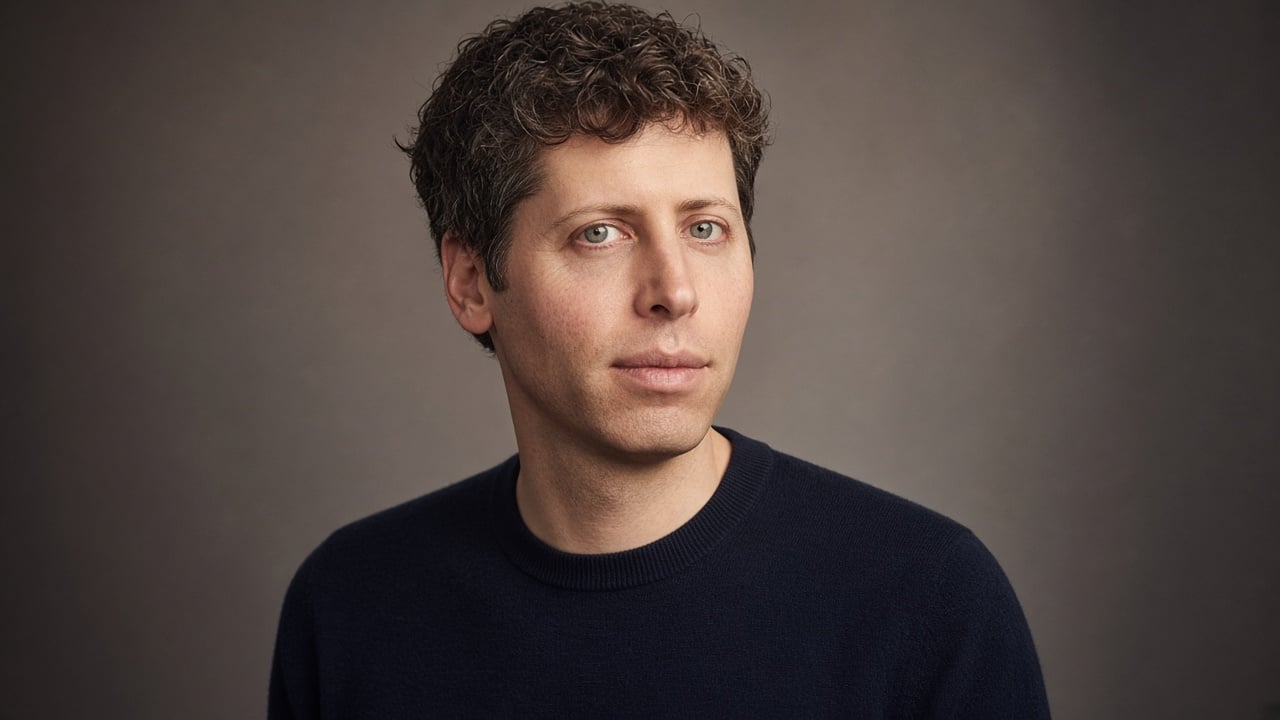
Sam Altman warns of AI’s existential risks at DealBook Summit
The OpenAI CEO called for more caution, shared safety standards, and less of the race dynamic driving the industry
The CEO of the company most associated with the AI boom went to the 2026 New York Times DealBook Summit and asked everyone to slow down.
Sam Altman, speaking alongside OpenAI President Greg Brockman on November 18, said people must operate differently now that artificial intelligence has entered a new phase.
What Altman actually said
Altman’s central message was about pace. He warned that if the next four years of AI progress match the speed of the last four, the result would be very bad.
Consider what the past four years have looked like. The industry went from research curiosity to mainstream product, and OpenAI alone now counts 1.2 billion users. Altman is suggesting that repeating that trajectory without changing how developers behave would be a mistake.
He also took aim at the competitive environment itself. Altman described the current race dynamic among AI developers as a bad thing, and his prescription was blunt.
“More caution, not less caution.”
His proposed fix centers on two ideas: shared safety standards across AI developers and greater transparency about how those developers work. The logic is simple enough. If every lab sets its own safety rules in private, nobody outside the building can tell whether those rules are adequate.
The Anthropic question
Altman did not keep the discussion abstract. He said he remains uncertain about the safety of rival Anthropic’s approach to AI development.
The comment lands at a sensitive moment. Anthropic is preparing for an IPO, and that upcoming listing has brought added scrutiny to AI safety practices across the sector.
AI, tech, and the markets they move—in one daily briefing.
Daily. Free. Join 34,000+ readers across crypto, finance, and policy.
Altman’s uncertainty also doubles as an illustration of his broader point. If the CEO of a leading AI lab cannot say with confidence whether a direct competitor is building safely, the industry has a visibility problem. Labs know their own internal practices, but the rest of the field, regulators, and the public largely work from what companies choose to disclose.
OpenAI shifts engineers to security
Brockman added a concrete number to the conversation. He said OpenAI had redirected 25% of its production engineers to security work.
According to the research summary of the event, the move followed recent regulatory challenges, including a lawsuit in California connected to an incident involving Hugging Face. The shift is framed as part of an effort to protect OpenAI’s 1.2 billion users as scrutiny of the industry grows.
Moving a quarter of production engineering toward security is not a rounding error. Production engineers are the people who ship and maintain the products customers actually use. Reassigning that share of them means OpenAI is accepting a tradeoff: fewer hands building new features, more hands making sure existing systems hold up.
Why the timing matters
Several pressures are converging at once. Regulatory challenges are mounting, as the California lawsuit shows. A major competitor is approaching the public markets, which invites closer examination of its practices. And the user base for these tools has grown to a scale where safety failures affect enormous numbers of people.
What this means for the industry
For investors, the most immediate implication involves how AI companies get valued. The research summary of the event notes that Altman’s cautionary remarks could signal a shift in investor sentiment, particularly toward firms competing for leadership while facing transparency concerns and regulatory pressure.
Anthropic’s IPO process is the obvious pressure point. Public market investors typically demand more disclosure than private backers, and a high-profile rival openly questioning a company’s safety practices adds another item to the due diligence list.
The research summary suggests OpenAI’s engineering redirection may bolster confidence in OpenAI’s commitment to responsible development and potentially strengthen its market position.
The call for shared safety standards is the piece worth watching most closely. Industry-wide standards would require competitors to agree on rules and, crucially, to let each other and outside parties verify compliance. If that happens, the research summary suggests it could support more stable, sustainable growth over the longer term.
Disclosure: This article was edited by Diego Almada Lopez. For more information on how we create and review content, see our Editorial Policy.

