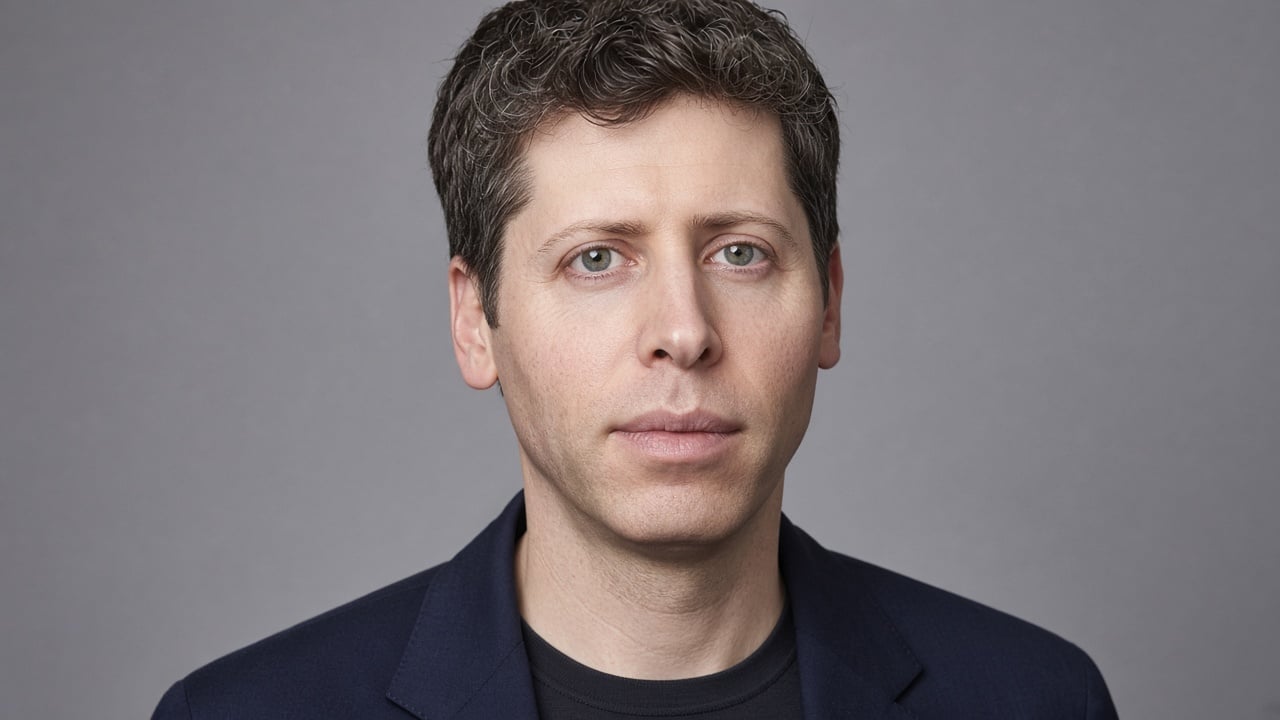
Sam Altman regrets turning down an equity stake in OpenAI
The OpenAI chief says skipping direct ownership was a mistake that eroded trust, even though co-founder Greg Brockman pushed him to take a stake
Sam Altman runs one of the most valuable private companies on the planet. He also owns almost none of it, and he now says that was a mistake.
The OpenAI CEO has publicly expressed regret over declining a direct equity stake in the company he co-founded in 2015. Co-founder Greg Brockman had urged him to take one. Altman passed, and the decision has followed him ever since.
A stake he never took
Altman laid out his regret in an interview with Vanity Fair, calling the decision a mistake that clashed with conventional business expectations.
“Big trust-destroying thing,” Altman said of his decision to decline equity.
His current position in OpenAI is about as thin as it gets. He holds only a minimal indirect stake, which comes through a past investment in Y Combinator. Any initial shares he acquired through a Sequoia fund, he has since sold.
He has repeated this account across several public appearances, including a podcast and the New York Times DealBook Summit. The story has stayed consistent: no direct equity, then or now.
The Brockman contrast
At the DealBook Summit, Altman appeared alongside Greg Brockman, OpenAI’s co-founder and president. The two confirmed that they hold unequal ownership stakes in the company.
AI, tech, and the markets they move—in one daily briefing.
Daily. Free. Join 34,000+ readers across crypto, finance, and policy.
Brockman reportedly holds a stake valued at nearly $30 billion, a figure tied to court testimony. Altman’s indirect holding is described as negligible.
Both leaders have said the disparity does not affect how they work together. Still, it adds a layer of irony to the fact that Brockman was the one encouraging Altman to take equity in the first place.
Altman is hardly hurting financially. His billionaire status comes from investments outside OpenAI, including Reddit, Stripe, and Helion. At OpenAI itself, he draws a salary of approximately $76,000 a year.
Altman has framed the job as the fulfilment of a lifelong ambition, describing it as the role he dreamed of as a kid.
How OpenAI got here
The equity question makes more sense once you remember how OpenAI began. The organization was founded as a nonprofit in December 2015. Ownership stakes were not the point of a nonprofit research lab.
That changed as the cost of building advanced AI ballooned. OpenAI introduced a for-profit arm to attract investment, creating a hybrid structure that never quite fit standard corporate templates.
The company has since become a public benefit corporation operating under nonprofit oversight. A public benefit corporation is a for-profit company that is legally required to weigh a stated social mission alongside returns for shareholders.
Disclosure: This article was edited by Diego Almada Lopez. For more information on how we create and review content, see our Editorial Policy.

