
Science Corp wins EU approval for implant that restores central vision
Science Corp's new retinal implant system gets greenlight for commercialization in Europe


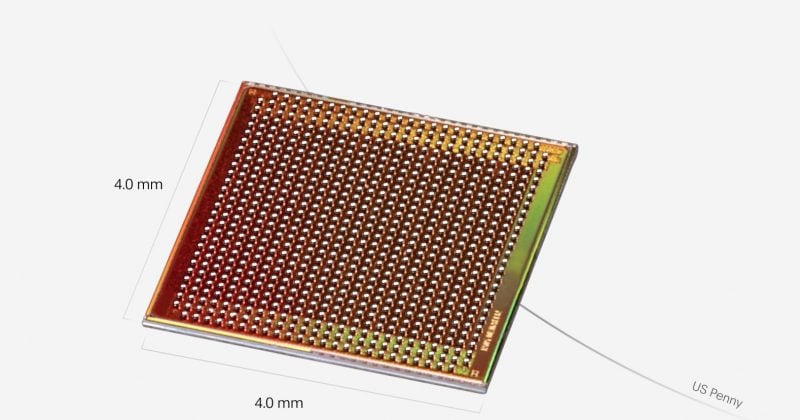
Science Corporation has received European regulatory approval to commercialize PRIMA, a retinal implant designed to restore central vision in patients with advanced age related macular degeneration, according to a TechCrunch report.
The CE mark allows the company to market the device across the European Union and European Economic Area. Science plans to begin offering the treatment in Germany, where the first commercial procedure could take place as early as September.
PRIMA is intended for people with geographic atrophy caused by dry age related macular degeneration. The condition damages light sensitive cells in the retina and can make reading and recognizing faces difficult.
The system combines a small wireless chip implanted beneath the retina with glasses containing a camera and projector. Images captured by the glasses are transmitted to the implant, which converts them into electrical signals that stimulate the remaining retinal cells.
A clinical study involving 38 patients found that 80% achieved a clinically meaningful improvement in visual acuity after 12 months. Another 84% reported being able to read letters, numbers, and words at home using the device. The implant did not damage participants’ remaining natural peripheral vision.
AI, tech, and the markets they move—in one daily briefing.
Daily. Free. Join 34,000+ readers across crypto, finance, and policy.
The current version provides black and white images across a limited field of view. Science plans to improve the implant’s resolution and redesign the glasses to reduce their power and battery requirements.
The company also received Humanitarian Use Device designations from the US Food and Drug Administration for two rare causes of blindness. The designation could provide an expedited path toward a future US commercial launch, though PRIMA has not yet received US marketing approval.
Science was founded by Max Hodak, a Neuralink cofounder and former president who left the Elon Musk backed brain interface company in 2021. Science acquired Pixium Vision, the French company that developed PRIMA, in 2024 and continued preparing the technology for regulatory approval and commercial production.
The company is discussing reimbursement with European healthcare providers. Each treatment is expected to cost hundreds of thousands of dollars.